

The Science Behind PVC Cling Film: An Essential Kitchen Tool
Release time:
Oct 15,2024
PVC cling film, commonly known as plastic wrap, is a versatile kitchen tool that plays a crucial role in food preservation. Made from polyvinyl chloride (PVC), this cling film offers a unique combination of properties that make it ideal for wrapping and sealing various food items. Understanding its characteristics can help you make informed choices on how to utilize it effectively in your kitchen.
PVC cling film, commonly known as plastic wrap, is a versatile kitchen tool that plays a crucial role in food preservation. Made from polyvinyl chloride (PVC), this cling film offers a unique combination of properties that make it ideal for wrapping and sealing various food items. Understanding its characteristics can help you make informed choices on how to utilize it effectively in your kitchen.
One of the primary benefits of PVC cling film is its excellent ability to create an airtight seal. When wrapped tightly around food, it restricts the entry of air, which is a key factor in preventing spoilage. By minimizing oxygen exposure, PVC cling film helps slow down the oxidation process, keeping fruits, vegetables, and leftovers fresh for an extended period. This property is particularly beneficial for perishable items, as it significantly reduces the risk of bacterial growth and food waste.
In addition to preserving food, PVC cling film also provides a barrier against moisture. Many fruits and vegetables release moisture over time, which can lead to sogginess and spoilage. By using PVC cling film, you can help retain the ideal moisture levels within the packaging, ensuring that your food remains crisp and appetizing. This feature is especially useful for items like sandwiches, salads, and fresh produce that can lose their quality quickly.
Another noteworthy aspect of PVC cling film is its clarity. The transparent material allows you to easily identify the contents without needing to unwrap or disturb the food. This not only saves time but also helps minimize the risk of cross-contamination in the kitchen by allowing you to clearly see what’s inside each package.
When using PVC cling film, it’s essential to adhere to some best practices for optimal results. Ensure that the surface of the food is clean and dry before wrapping, as this helps improve the cling and seal. Additionally, avoid using PVC cling film in the microwave or for storing hot foods, as it may not be suitable for high temperatures. Instead, opt for specialized microwave-safe products to prevent any potential concerns.
In summary, PVC cling film is more than just a convenient kitchen accessory; it is a scientifically designed material that effectively preserves food quality. Its airtight seal, moisture barrier, and clarity make it an invaluable tool for anyone looking to maintain freshness in their kitchen. By understanding its properties and employing best practices, you can maximize the benefits of PVC cling film, reducing waste and enhancing your culinary experience.
Related News
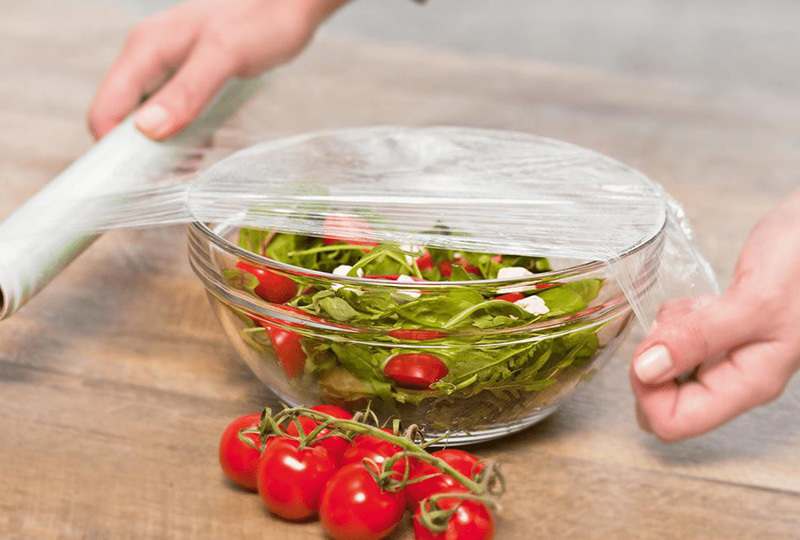
What are the characteristics of PVC fresh-keeping film for food preservation

Can PVC plastic wrap be heated in a microwave oven?
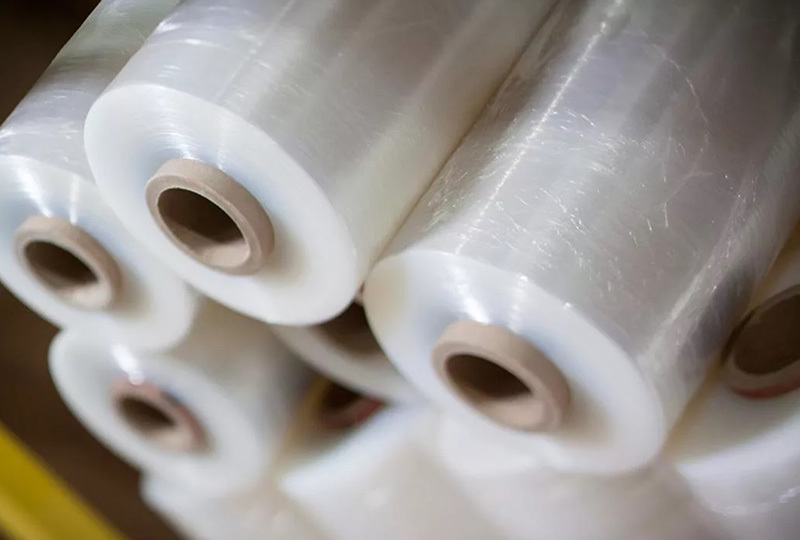
What is the difference between PVC cling film and PE cling film
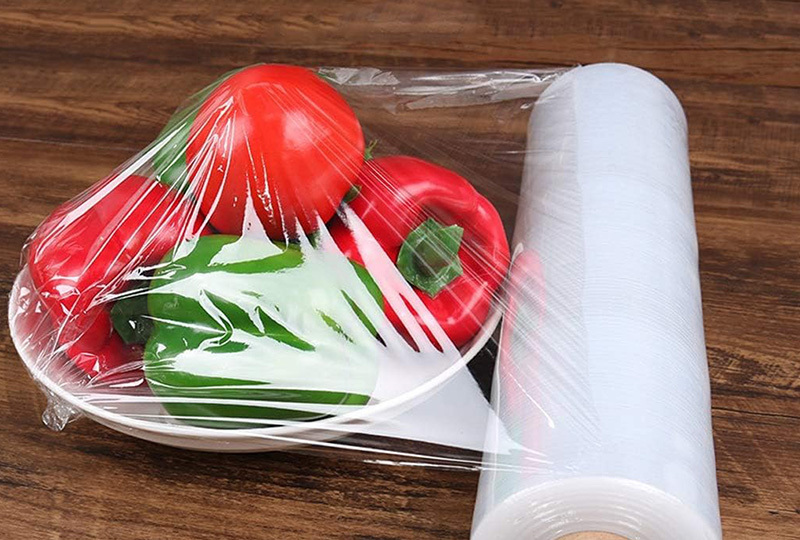
The choice of PVC cling film need to pay attention to what

Professional Cling Film Manufacturer
Address: No.3 Jiefang road (east) Cangzhou Economy Development Zone, Cangzhou City, Hebei province, China.
Please leave your email, we will contact you as soon as possible, thank you!