

The Essential Guide to PVC Cling Film in Meal Prep and Planning
Release time:
Oct 16,2024
The Essential Guide to PVC Cling Film in Meal Prep and Planning Introduction: The Importance of Meal Prep In today's fast-paced world, meal prep has become an essential strategy for maintaining a healthy lifestyle. By planning and preparing meals in advance, we save time, reduce food waste, and make healthier eating choices. One tool that plays a critical role in effective meal prep is **PVC c
The Essential Guide to PVC Cling Film in Meal Prep and Planning
Introduction: The Importance of Meal Prep
In today's fast-paced world, meal prep has become an essential strategy for maintaining a healthy lifestyle. By planning and preparing meals in advance, we save time, reduce food waste, and make healthier eating choices. One tool that plays a critical role in effective meal prep is **PVC cling film**. This versatile kitchen essential not only helps keep food fresh but also aids in organizing our cooking efforts.
What is PVC Cling Film?
PVC cling film, commonly known as plastic wrap, is a thin, transparent film made from polyvinyl chloride (PVC). It is designed to cling to surfaces, making it an excellent choice for covering food items and containers. Unlike other types of plastics, PVC cling film is specifically engineered to provide an airtight seal, which helps preserve the freshness of food items for extended periods.
Characteristics of PVC Cling Film
- **Airtight Sealing**: The unique adhesive properties allow it to form a tight seal around various surfaces, preventing air and moisture from entering.
- **Transparency**: Being clear, it allows easy visibility of contents covered, making it convenient for quick identification.
- **Flexibility**: The film is highly flexible, allowing it to conform to different shapes and sizes of food items or containers.
- **Durability**: PVC cling film is resistant to tearing, which ensures it remains intact during storage and transportation.
Benefits of Using PVC Cling Film in Meal Prep
Employing PVC cling film in meal prep offers numerous advantages that can enhance both efficiency and food quality.
1. Food Preservation
One of the primary benefits of PVC cling film is its ability to extend the shelf life of food. By creating an airtight environment, it slows down the oxidation process and inhibits the growth of bacteria. This is crucial for maintaining the freshness of prepped meals or raw ingredients.
2. Versatile Application
PVC cling film can be used in various ways—covering bowls, wrapping sandwiches, sealing baked goods, and even protecting marinated items. Its versatility makes it a must-have in any kitchen.
3. Cost-Effective and Efficient
Cling film is an affordable option for food storage. Its effectiveness in preserving food means less waste, ultimately saving money in the long run. By minimizing spoilage, meal prep becomes a more economical choice.
4. Convenience in Portion Control
PVC cling film allows for easy portioning of meals. By wrapping individual servings, we can quickly grab a meal on busy days, making it easier to adhere to dietary goals without sacrificing convenience.
How to Use PVC Cling Film Effectively in Meal Prep
Now that we understand the benefits of PVC cling film, let’s explore some practical tips for maximizing its effectiveness in our meal prep routines.
1. Proper Wrapping Techniques
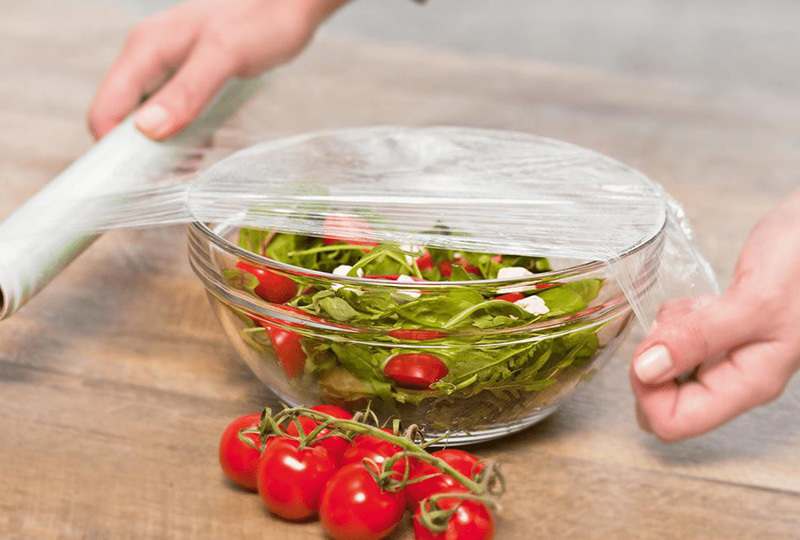
To ensure maximum freshness, it’s essential to wrap food items correctly. Start with a clean, dry surface, and pull the film taut over the item. Make sure to overlap the edges for a secure seal. For bowls, cover with a generous amount of film, pressing it down against the edges.
2. Use of Cling Film in Freezing
When freezing meals, double-wrap items with PVC cling film for added protection against freezer burn. This extra layer will help maintain the quality of the food during longer storage periods.
3. Covering Leftovers
After a meal, cover leftover dishes with cling film to keep them fresh. This method is far more effective than simply placing a plate over a bowl, as it prevents air from reaching the food.
4. Marinating with Cling Film
When marinating proteins or vegetables, cover the dish with cling film to lock in flavors. This method enables the marinade to work effectively without spilling or splattering.
Innovative Uses of PVC Cling Film Beyond Food
While PVC cling film is primarily used for food storage, it has several innovative applications that can simplify kitchen tasks.
1. DIY Kitchen Tools
Create your own piping bag by filling a corner of cling film with icing or batter, twisting the top, and snipping off the tip. This simple trick can save time and reduce mess.
2. Protecting Countertops
Use cling film to cover counters while crafting or cooking messy projects. It makes for easy cleanup and protects surfaces from stains.
3. Storing Herbs and Greens
Wrap fresh herbs or leafy greens in damp cling film to keep them fresh for longer periods. This method helps maintain moisture and prevents wilting.
4. Covering Fermenting Foods
When fermenting foods like sauerkraut or kimchi, use cling film to cover the container. This allows gases to escape while keeping dust and pests away.
Environmental Considerations of PVC Cling Film
While PVC cling film is an invaluable tool in the kitchen, it is essential to consider its environmental impact. PVC is not biodegradable, and improper disposal can contribute to plastic pollution.
1. Recycling Options
Check local recycling programs to see if they accept PVC cling film. Some areas may provide options for recycling plastic films, helping to reduce waste.
2. Sustainable Alternatives
Consider exploring reusable alternatives, such as beeswax wraps or silicone lids, which can effectively replace cling film while being more environmentally friendly.
FAQs About PVC Cling Film in Meal Prep
1. Is PVC cling film safe for food storage?
Yes, PVC cling film is generally regarded as safe for food storage. However, it’s essential to follow the manufacturer's guidelines and avoid using it in the microwave unless specified.
2. How long can I store food wrapped in cling film?
The storage duration largely depends on the type of food and the conditions. Typically, wrapped meals can last in the fridge for 3-5 days, while frozen items can last for several months.
3. Can I use cling film in the microwave?
Some brands of cling film are microwave-safe. Always check the packaging for instructions. Avoid contact between the film and food while microwaving.
4. What's the difference between PVC cling film and other plastic wraps?
PVC cling film offers superior cling and sealing abilities compared to other wraps made from polyethylene or other materials. It is specifically designed for food preservation.
5. Can I reuse PVC cling film?
While it’s not recommended to reuse cling film for food storage due to hygiene concerns, it can be reused for non-food purposes, like wrapping items for storage.
Conclusion
Incorporating PVC cling film into our meal prep routines can significantly enhance our efficiency and food quality. Its versatility, effectiveness in food preservation, and convenience make it an indispensable kitchen tool. As we strive to eat healthier and minimize waste, understanding how to utilize cling film effectively can empower us to make smarter choices in our meal planning endeavors. By embracing this simple yet powerful tool, we can transform our approach to cooking and food storage, paving the way for a more organized, efficient, and enjoyable culinary experience.
Related News
What are the characteristics of PVC fresh-keeping film for food preservation

Can PVC plastic wrap be heated in a microwave oven?
What is the difference between PVC cling film and PE cling film
The choice of PVC cling film need to pay attention to what

Professional Cling Film Manufacturer
Address: No.3 Jiefang road (east) Cangzhou Economy Development Zone, Cangzhou City, Hebei province, China.
Please leave your email, we will contact you as soon as possible, thank you!