

Eco-Friendly Alternatives: The Rise of Bio-Based Cling Film
Release time:
Oct 24,2024
Eco-Friendly Alternatives: The Rise of Bio-Based Cling Film In recent years, the global focus on sustainability has spurred a significant shift in consumer preferences, particularly regarding kitchen products. Among these, cling film—a staple in kitchens worldwide—has come under scrutiny for its environmental impact. As a result, **bio-based cling film** has emerged as an eco-friendly alternative,
Eco-Friendly Alternatives: The Rise of Bio-Based Cling Film
In recent years, the global focus on sustainability has spurred a significant shift in consumer preferences, particularly regarding kitchen products. Among these, cling film—a staple in kitchens worldwide—has come under scrutiny for its environmental impact. As a result, **bio-based cling film** has emerged as an eco-friendly alternative, providing a sustainable option for food storage and reducing plastic waste. This article delves into the rise of bio-based cling film, its benefits, applications, and its role in the fight against plastic pollution.
Understanding Bio-Based Cling Film
Bio-based cling film is primarily made from renewable resources such as plant materials, making it biodegradable and compostable compared to conventional polyethylene cling film. The production process uses natural polymers, which not only contributes to a lower carbon footprint but also promotes sustainable farming practices. Let us explore the core components that define bio-based cling film.
The Composition of Bio-Based Cling Film
Bio-based cling films are often made from materials such as:
- Polylactic Acid (PLA): Derived from fermented plant starch, PLA is a popular biodegradable alternative to traditional plastics.
- Cellulose: Sourced from wood pulp, cellulose films provide a natural option that is both flexible and durable.
- Starch Blends: These films incorporate natural starches, enhancing biodegradability while maintaining functional properties.
How Bio-Based Cling Film Works
Bio-based cling film functions similarly to conventional cling film, providing a tight seal that preserves food freshness. The unique properties of bio-based materials allow them to adhere to surfaces without needing harmful additives or chemicals, ensuring safe food storage. This functionality is critical for maintaining the quality and longevity of perishable items.
The Environmental Impact of Traditional Cling Film
The widespread use of traditional plastic cling film has led to significant environmental challenges. The following points highlight the key issues associated with conventional plastic wraps:
Plastic Pollution Crisis
Conventional cling film is primarily made from polyethylene, which takes hundreds of years to decompose. As a result, discarded plastic wraps contribute to the growing plastic pollution crisis, clogging waterways and harming marine life.
Harmful Chemicals
Many traditional cling films contain additives that can leach into food, raising concerns about potential health risks associated with prolonged exposure. These chemicals can disrupt hormonal systems and pose long-term health implications for consumers.
Benefits of Bio-Based Cling Film
Switching to bio-based cling film offers numerous advantages for both consumers and the environment. Here are some of the key benefits:
1. Biodegradable and Compostable
Unlike traditional cling film, bio-based cling film breaks down naturally in the environment. This decomposition process can occur within a few months under the right conditions, effectively reducing the amount of waste sent to landfills.
2. Renewable Resources
Bio-based cling film is produced from renewable resources, unlike fossil-fuel-based plastics. This transition supports local agriculture and reduces the reliance on non-renewable materials.
3. Safe for Food Storage
Bio-based cling films are made without harmful chemicals, making them a safer choice for food storage. The absence of additives ensures that no toxic substances leach into food, promoting healthier eating habits.
4. Reduced Carbon Footprint
The production of bio-based cling film generates fewer greenhouse gas emissions compared to traditional plastic films. By choosing bio-based options, consumers contribute to mitigating climate change.
5. Versatility in Use
Bio-based cling film can be used for various applications, from wrapping leftovers to covering dishes. Its versatility makes it an ideal choice for everyday kitchen needs.
Applications of Bio-Based Cling Film in the Kitchen
Bio-based cling film's adaptability allows it to serve multiple purposes in the kitchen. Here are some popular applications:
1. Food Preservation
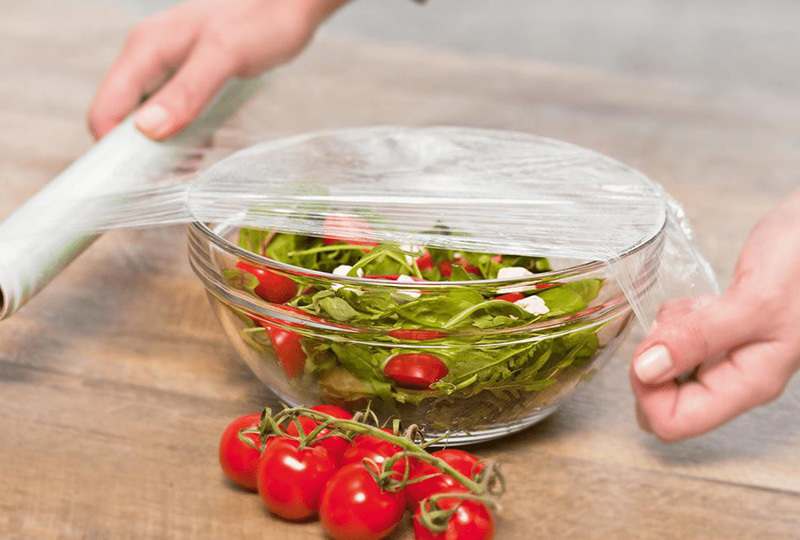
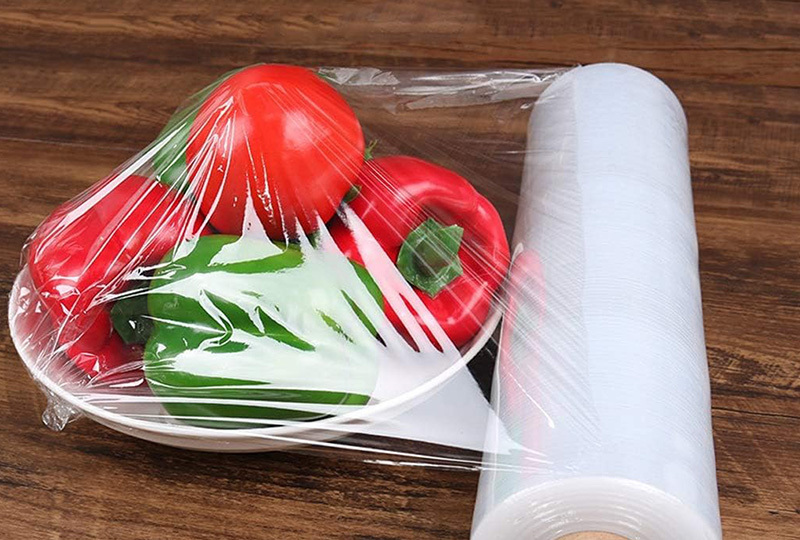
One of the primary uses of cling film is to preserve food freshness. Bio-based cling film effectively seals in moisture and prevents contamination, making it perfect for storing fruits, vegetables, and leftovers.
2. Wrapping Baked Goods
For avid bakers, bio-based cling film is an excellent choice for wrapping cakes, cookies, and pastries. It keeps baked goods fresh while ensuring they remain free from contaminants.
3. Covering Dishes
Using bio-based cling film to cover dishes in the refrigerator prevents odors from mixing and keeps food safe from spoilage. Its strong adherence ensures a secure seal.
4. Portion Control
Bio-based cling film can be used to wrap individual servings, making meal prep easier and promoting portion control for healthier eating.
Comparing Bio-Based Cling Film to Traditional Cling Film
When considering the switch from traditional cling film to bio-based alternatives, several factors come into play:
1. Environmental Impact
As mentioned earlier, bio-based cling film significantly reduces plastic waste and supports sustainable practices, whereas traditional cling film exacerbates environmental problems.
2. Cost Considerations
Initially, bio-based cling film may be slightly more expensive than conventional wraps. However, the long-term environmental benefits and health advantages often outweigh the upfront costs.
3. Performance
Bio-based cling film performs comparably to traditional options in terms of flexibility, strength, and sealing capabilities, providing a viable alternative without compromising quality.
The Future of Kitchen Products: Embracing Sustainability
The rise of bio-based cling film symbolizes a broader trend toward sustainability in kitchen products. As consumers become more environmentally conscious, the demand for sustainable alternatives will continue to grow. Manufacturers are responding by developing innovative, eco-friendly products that meet consumer needs without compromising the environment.
1. Innovations in Material Science
Advancements in material science are paving the way for new bio-based options that are even more effective and sustainable. Researchers are exploring various natural polymers that can enhance the performance of cling films while maintaining their eco-friendliness.
2. Consumer Awareness
Education plays a crucial role in the adoption of eco-friendly alternatives. As consumers become more informed about the environmental impact of their choices, they are more likely to opt for products such as bio-based cling film.
3. Government Regulations
Governments worldwide are implementing regulations to reduce plastic waste, which can further accelerate the adoption of bio-based materials. Encouraging the use of sustainable products through incentives and guidelines will support this shift.
FAQs about Bio-Based Cling Film
1. Is bio-based cling film safe for food storage?
Yes, bio-based cling film is made without harmful chemicals and is safe for wrapping and storing food.
2. How long does bio-based cling film take to decompose?
Bio-based cling film can decompose within a few months in the right composting conditions, while traditional cling film can take hundreds of years.
3. Can bio-based cling film be recycled?
While bio-based cling film is compostable, its recyclability depends on local regulations and capabilities. Check with local waste management for guidance.
4. Where can I purchase bio-based cling film?
Bio-based cling film is available in many grocery stores, health food shops, and online retailers that specialize in eco-friendly products.
5. Is bio-based cling film more expensive than traditional cling film?
Bio-based cling film may have a higher initial cost, but it offers long-term environmental benefits that can outweigh the price difference.
Conclusion
The shift toward **bio-based cling film** represents a significant stride in the quest for sustainable kitchen products. By choosing eco-friendly alternatives, consumers not only contribute to reducing plastic waste but also promote a healthier lifestyle and environment. As innovation continues, the demand for bio-based options will likely rise, fostering a more sustainable future. Embracing these alternatives is not just a trend; it is a commitment to preserving our planet for future generations. Transitioning to bio-based cling film is a simple yet impactful choice that supports a sustainable lifestyle.
Related News
What are the characteristics of PVC fresh-keeping film for food preservation

Can PVC plastic wrap be heated in a microwave oven?
What is the difference between PVC cling film and PE cling film
The choice of PVC cling film need to pay attention to what

Professional Cling Film Manufacturer
Address: No.3 Jiefang road (east) Cangzhou Economy Development Zone, Cangzhou City, Hebei province, China.
Please leave your email, we will contact you as soon as possible, thank you!