

The Essential Guide to PVC Cling Film: A Kitchen Must-Have
Release time:
Oct 25,2024
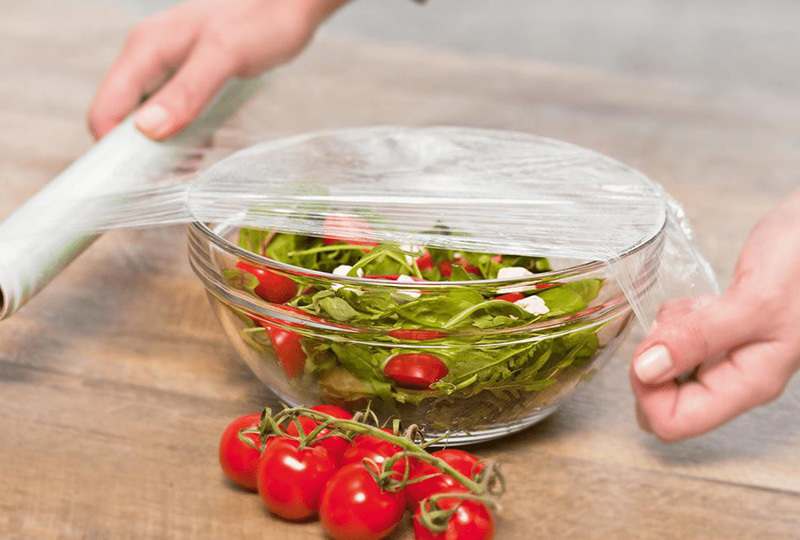
PVC cling film, commonly known as plastic wrap, is a flexible and transparent film that is widely used in kitchens for food preservation. Its primary function is to keep food fresh by creating a barrier against air, moisture, and contaminants. The film clings tightly to containers and food items, making it an ideal choice for covering bowls, wrapping sandwiches, or preserving leftovers. Understand
PVC cling film, commonly known as plastic wrap, is a flexible and transparent film that is widely used in kitchens for food preservation. Its primary function is to keep food fresh by creating a barrier against air, moisture, and contaminants. The film clings tightly to containers and food items, making it an ideal choice for covering bowls, wrapping sandwiches, or preserving leftovers. Understanding the advantages and proper usage of PVC cling film can enhance your food storage practices significantly.
One of the standout features of PVC cling film is its ability to keep food fresher for longer periods. By minimizing exposure to air, it helps to prevent oxidation, which can lead to spoilage. This is particularly beneficial for perishable items such as fruits, vegetables, and cooked dishes. Additionally, the cling film is microwave-safe, allowing for convenient reheating without the need for transferring food to a different container.
When using PVC cling film, there are a few tips to ensure optimal performance. First, always ensure that the surface of the food or container is clean and dry before application. This will enhance the film’s ability to adhere properly. For items that are particularly moist or oily, consider using a double layer of cling film for added protection. It's also advisable to tear off only the amount needed, which not only saves on waste but also ensures that the remaining film stays clean.
Safety is a critical aspect when using PVC cling film. While it is designed for food contact, it is essential to avoid using it in extreme heat, such as directly in an oven or on a stovetop, as this can cause the film to melt or release harmful chemicals. Always check the packaging for specific usage instructions and safety warnings to ensure you're using the product correctly.
In addition to its practical uses, PVC cling film is an eco-friendly alternative to aluminum foil and other disposable wraps. While it is made from plastic, many brands are now producing more environmentally friendly options, which are recyclable or made from recycled materials. This shift not only aids in reducing waste but also encourages consumers to make more sustainable choices in their kitchens.
In conclusion, PVC cling film is a versatile and valuable tool for food storage in every kitchen. By understanding its benefits, proper usage, and safety measures, you can optimize its effectiveness and contribute to better food preservation practices. Incorporating this simple yet powerful kitchen essential into your routine can lead to fresher food and less waste, making your cooking and storage experience more enjoyable.
Related News
What are the characteristics of PVC fresh-keeping film for food preservation

Can PVC plastic wrap be heated in a microwave oven?
What is the difference between PVC cling film and PE cling film
The choice of PVC cling film need to pay attention to what

Professional Cling Film Manufacturer
Address: No.3 Jiefang road (east) Cangzhou Economy Development Zone, Cangzhou City, Hebei province, China.
Please leave your email, we will contact you as soon as possible, thank you!