

Understanding Food Grade PVC Film: Safe Packaging Solutions for Your Products
Release time:
Feb 12,2026
When it comes to food packaging, the materials used are of paramount importance, not just for preserving the quality of the food, but also for ensuring consumer safety. One such reliable material is food grade PVC film. PVC, or polyvinyl chloride, is a synthetic plastic polymer widely utilized in various applications, including packaging. However, when it is designated as "food grade," it meets st
When it comes to food packaging, the materials used are of paramount importance, not just for preserving the quality of the food, but also for ensuring consumer safety. One such reliable material is food grade PVC film. PVC, or polyvinyl chloride, is a synthetic plastic polymer widely utilized in various applications, including packaging. However, when it is designated as "food grade," it meets stringent safety standards that make it suitable for direct contact with food products.
The primary advantage of food grade PVC film lies in its excellent barrier properties. This type of film is designed to protect food items from external factors such as moisture, gases, and contaminants. This is crucial in maintaining the freshness and extending the shelf life of perishable goods. The film effectively prevents oxygen from entering, which can cause oxidation and spoilage, thereby preserving the taste and nutritional value of the food.

Another significant feature of food grade PVC film is its clarity. This transparency allows consumers to see the product without unwrapping it, which not only enhances the visual appeal but also helps in assessing freshness and quality. Moreover, the film can be easily printed on, thereby allowing for attractive branding and product information, which can be vital in a competitive market.
Food grade PVC film is also known for its flexibility and durability. It can be easily sealed using heat or adhesives, making it ideal for various packaging formats, including wraps, pouches, and bags. The film can adapt to different shapes and sizes, providing versatility for manufacturers. Additionally, it is resistant to tearing and puncturing, which helps in maintaining the integrity of the package during transportation and handling.
It is essential to note that while PVC film offers numerous benefits, proper handling and usage are crucial to ensure safety. Manufacturers must adhere to regulations set by food safety authorities, ensuring that the PVC used in food packaging is devoid of harmful additives or plasticizers that could leach into food products.
In conclusion, food grade PVC film is a critical component in the packaging industry, providing a combination of safety, functionality, and aesthetic appeal. Its barrier properties, clarity, flexibility, and durability make it an ideal choice for packaging a variety of food products. For professionals in the packaging and printing sectors, understanding the advantages of food grade PVC film can lead to better packaging solutions that prioritize both quality and consumer safety.
Related News
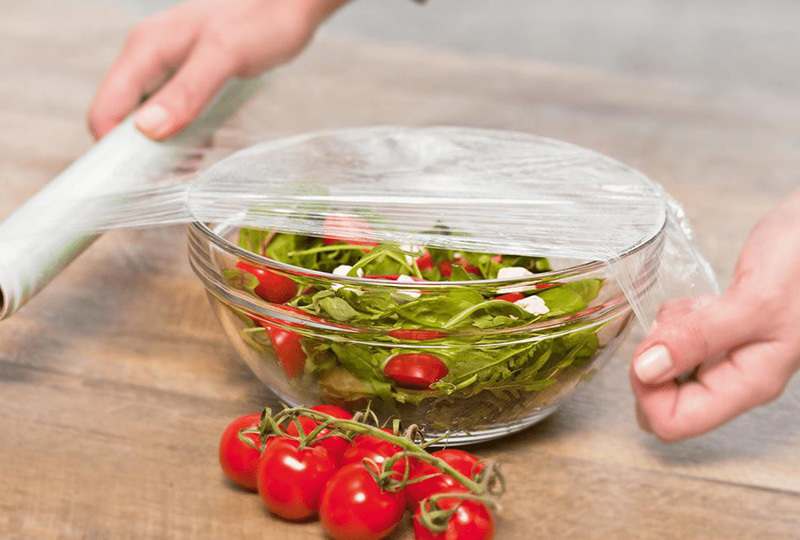
What are the characteristics of PVC fresh-keeping film for food preservation

Can PVC plastic wrap be heated in a microwave oven?
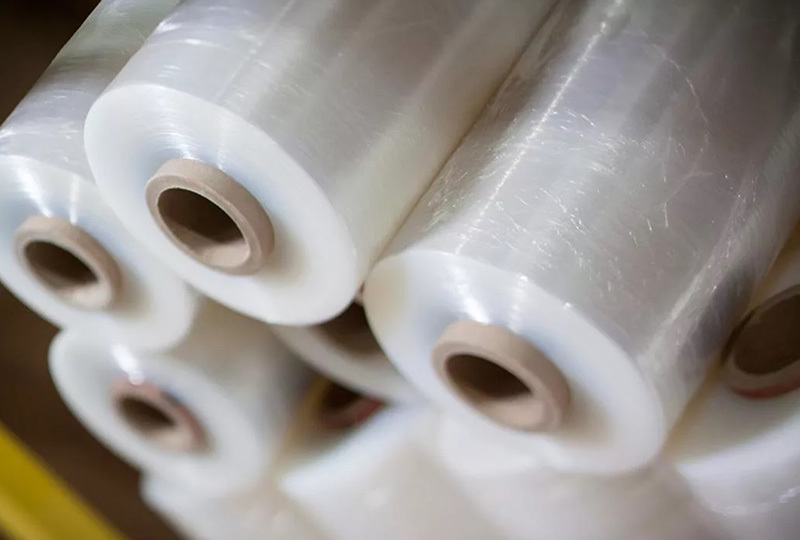
What is the difference between PVC cling film and PE cling film
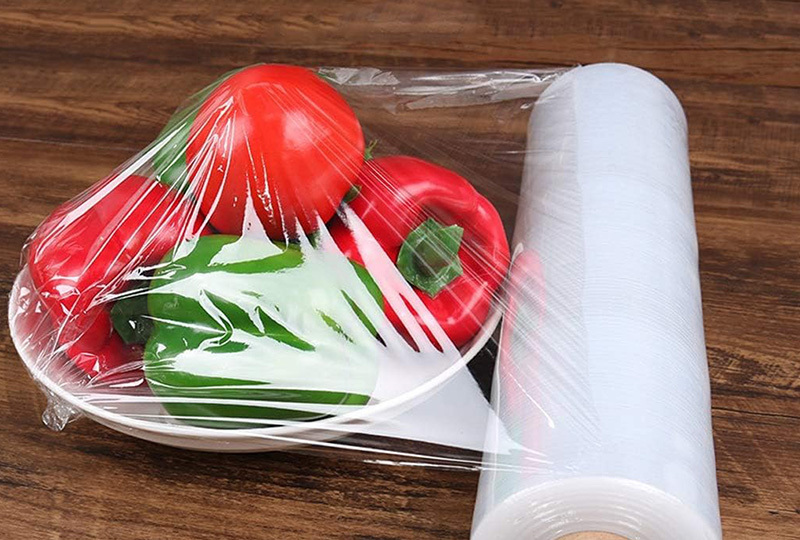
The choice of PVC cling film need to pay attention to what

Professional Cling Film Manufacturer
Address: No.3 Jiefang road (east) Cangzhou Economy Development Zone, Cangzhou City, Hebei province, China.
Please leave your email, we will contact you as soon as possible, thank you!