

Cling Film: The Ultimate Protective Layer for Your Kitchen Surfaces
Release time:
Dec 03,2024
Cling Film as a Protective Layer for Your Kitchen Surfaces Table of Contents 1. Introduction to Cling Film and Its Uses 2. Benefits of Using Cling Film in the Kitchen 3. Maintaining Hygiene with Cling Film 4. How Cling Film Protects Your Kitchen Surfaces 5. Easy Cleaning Techniques with Cling Film 6. Food Storage Solutions Using Cling Film 7. Creative Uses of Cling Film Beyond Foo
Cling Film as a Protective Layer for Your Kitchen Surfaces
Table of Contents
- 1. Introduction to Cling Film and Its Uses
- 2. Benefits of Using Cling Film in the Kitchen
- 3. Maintaining Hygiene with Cling Film
- 4. How Cling Film Protects Your Kitchen Surfaces
- 5. Easy Cleaning Techniques with Cling Film
- 6. Food Storage Solutions Using Cling Film
- 7. Creative Uses of Cling Film Beyond Food Storage
- 8. Frequently Asked Questions
- 9. Conclusion
1. Introduction to Cling Film and Its Uses
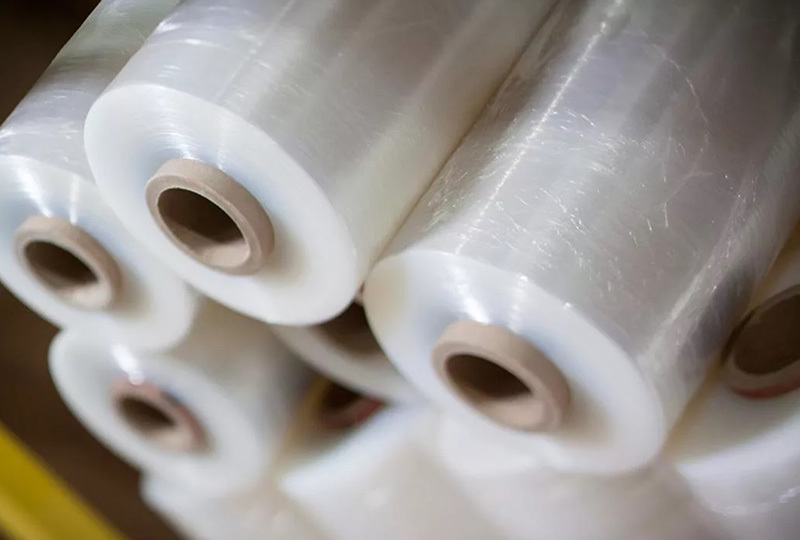
Cling film, also known as plastic wrap or food wrap, is a thin, transparent film made of polyvinyl chloride (PVC) or low-density polyethylene (LDPE). This kitchen staple has become indispensable due to its remarkable versatility and effectiveness in protecting various surfaces and items. We frequently utilize cling film to cover food, but its potential extends far beyond mere food storage. Understanding the best uses of cling film can help maximize its effectiveness in maintaining cleanliness and preserving the quality of kitchen surfaces.
2. Benefits of Using Cling Film in the Kitchen
Using cling film in the kitchen offers several advantages:
2.1 Versatility
Cling film can wrap food items, cover surfaces, and even act as a temporary barrier during cooking.
2.2 Cost-Effectiveness
A roll of cling film is often inexpensive and can last for a significant amount of time, making it a budget-friendly kitchen essential.
2.3 Convenience
Cling film is lightweight and easy to use. It adheres well to a variety of surfaces, ensuring a tight seal that keeps moisture and contaminants at bay.
2.4 Space Saver
Unlike bulky containers, cling film allows you to store food and other items efficiently, saving valuable space in your kitchen.
3. Maintaining Hygiene with Cling Film
Hygiene is paramount in any kitchen environment, and cling film plays a crucial role in maintaining it. By covering food items and kitchen surfaces, cling film can significantly reduce the risk of contamination.
3.1 Preventing Cross-Contamination
When preparing multiple food items, cling film serves as a barrier that helps prevent cross-contamination. For instance, covering raw meat with cling film can protect other foods from harmful bacteria.
3.2 Shielding Against Dust and Debris
Food left uncovered can attract dust, dirt, and contaminants. Cling film effectively shields food from airborne particles, ensuring its safety for consumption.
4. How Cling Film Protects Your Kitchen Surfaces
Cling film is not only beneficial for food but also acts as a protective layer for kitchen surfaces.
4.1 Protecting Countertops
When cooking, we often deal with messy ingredients that can stain or damage countertops. By covering the surfaces with cling film, we can prevent spills and stains, making clean-up a breeze.
4.2 Safeguarding Kitchen Appliances
Many kitchen appliances, such as blenders and mixers, can be difficult to clean. Applying cling film around the base or parts of these appliances can protect them from splatters and spills.
4.3 Covering Utensils and Cookware
Cling film can be used to cover utensils or cookware between uses, preventing dust or insects from settling on them. This simple act can keep your kitchen environment tidy and hygienic.
5. Easy Cleaning Techniques with Cling Film
Incorporating cling film into your cleaning routine can lead to more efficient cleaning processes.
5.1 Using Cling Film for Quick Clean-Ups
If you’re in the midst of a cooking session and want to avoid a mess, a quick layer of cling film can catch spills before they hit the counter.
5.2 Protecting Surfaces While Baking
When rolling out dough or working with sticky ingredients, using cling film can help keep surfaces clean. Simply lay cling film over the surface, and the dough will not stick, making it easier to clean afterwards.
5.3 Covering Food Prep Areas
Using cling film to cover food prep areas can make cleaning more manageable. Once you’re done, simply discard the cling film to reveal a clean surface.
6. Food Storage Solutions Using Cling Film
Cling film is renowned for its effectiveness in food storage and preservation.
6.1 Wrapping Leftovers
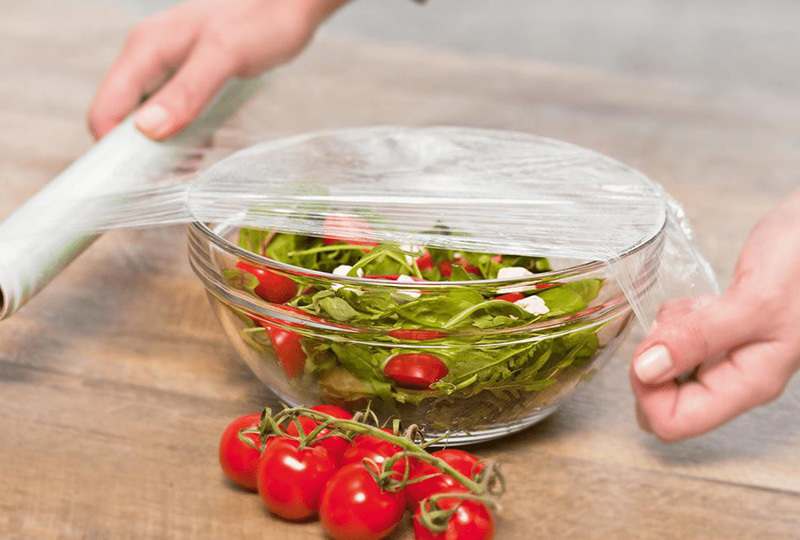
Leftover food can quickly spoil if not stored properly. Cling film provides an airtight seal that helps maintain freshness and prevent spoilage.
6.2 Storing Fruits and Vegetables
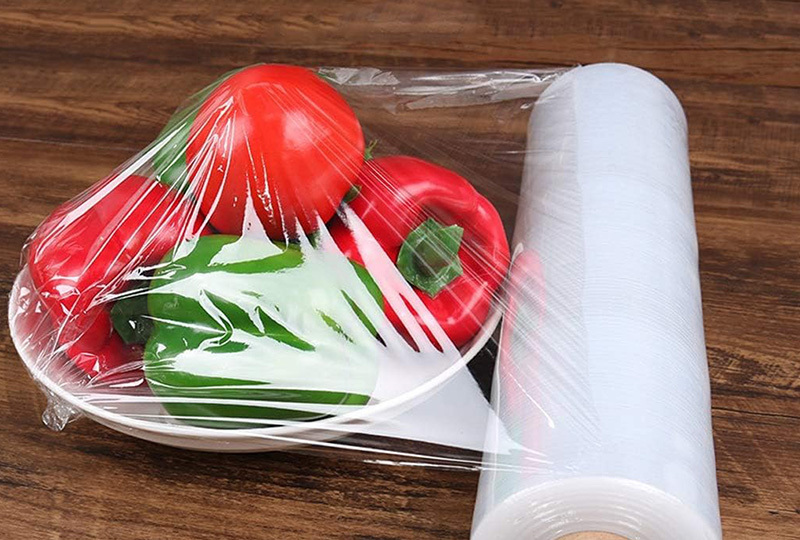
Certain fruits and vegetables can benefit from being wrapped in cling film. This method can help retain moisture while limiting exposure to air, thus prolonging their freshness.
6.3 Freezing Food
When freezing food, cling film can be a smart choice. Wrapping items tightly helps prevent freezer burn, ensuring your food stays fresh longer.
7. Creative Uses of Cling Film Beyond Food Storage
Cling film’s utility extends beyond traditional food storage, offering several creative uses.
7.1 DIY Paint Palette
Artists can use cling film as a temporary palette. Simply place it on a surface and squeeze out your paints. Once done, you can remove it and toss it away.
7.2 Covering Plants
For gardeners, cling film can serve as a protective cover for seedlings during unexpected weather changes.
7.3 Organizing Small Items
Use cling film to bundle small kitchen tools or utensils together for easy access and organization.
8. Frequently Asked Questions
8.1 Is cling film safe for food storage?
Yes, cling film is safe for food storage when used according to manufacturer instructions. Look for food-grade cling film to ensure safety.
8.2 Can cling film be used in the microwave?
Most cling films are microwave-safe. However, always ensure the product is marked as such before use.
8.3 How should I dispose of cling film?
Cling film is typically not recyclable. Dispose of it in your regular waste bin.
8.4 Can I reuse cling film?
While it is not recommended to reuse cling film for food storage due to hygiene concerns, you can repurpose it for other non-food-related uses.
8.5 Are there environmentally friendly alternatives to cling film?
Yes, there are several eco-friendly alternatives, such as beeswax wraps and silicone lids, which can be used for similar purposes but with a reduced environmental impact.
9. Conclusion
Cling film is an invaluable addition to any kitchen, serving as a protective layer that enhances hygiene, facilitates easy cleaning, and optimizes food storage. Its versatility extends far beyond food, providing solutions for various kitchen challenges. By incorporating cling film into your kitchen routine, you can maintain a cleaner space and extend the life of your kitchenware. With the myriad of uses and benefits, cling film is undoubtedly a must-have that continues to prove its worth in modern kitchens.
Related News
What are the characteristics of PVC fresh-keeping film for food preservation

Can PVC plastic wrap be heated in a microwave oven?
What is the difference between PVC cling film and PE cling film
The choice of PVC cling film need to pay attention to what

Professional Cling Film Manufacturer
Address: No.3 Jiefang road (east) Cangzhou Economy Development Zone, Cangzhou City, Hebei province, China.
Please leave your email, we will contact you as soon as possible, thank you!