

How to Properly Store Foods with PVC Cling Film for Maximum Freshness
Release time:
Nov 15,2024
How to Properly Store Foods with PVC Cling Film for Maximum Freshness Food storage is a crucial aspect of maintaining the quality and safety of our meals. With the rise of convenience in modern living, knowing how to properly store foods has become more important than ever. One common method that many households resort to is using PVC cling film. This article will delve deep into how to maximize f
How to Properly Store Foods with PVC Cling Film for Maximum Freshness
Food storage is a crucial aspect of maintaining the quality and safety of our meals. With the rise of convenience in modern living, knowing how to properly store foods has become more important than ever. One common method that many households resort to is using PVC cling film. This article will delve deep into how to maximize freshness using this versatile kitchen staple.
Table of Contents
- Understanding PVC Cling Film
- Benefits of Using PVC Cling Film
- How to Use Cling Film Correctly
- Best Practices for Food Storage
- Common Mistakes to Avoid
- Alternative Food Storage Options
- Eco-Friendly Considerations
- Frequently Asked Questions
- Conclusion
Understanding PVC Cling Film
PVC (polyvinyl chloride) cling film is a thin plastic film used to wrap food items, protecting them from air, moisture, and contaminants. This lightweight material clings tightly to surfaces, creating a seal that helps keep food fresh. But what makes PVC cling film particularly effective? The film's inherent properties allow it to stretch and conform to various food shapes, ensuring minimal exposure to air.
The Role of PVC in Food Preservation
PVC cling film is designed to be moisture-resistant, meaning that it helps to retain the internal humidity of foods. When wrapped properly, it significantly reduces spoilage by minimizing oxidation. This is especially important for perishable items like fruits, vegetables, and meats. By limiting exposure to air, the cling film helps prevent drying out and the development of harmful bacteria.
Benefits of Using PVC Cling Film
Using PVC cling film offers numerous advantages in food storage:
1. Enhanced Freshness
The primary benefit of cling film is its capacity to retain food freshness. By creating a barrier against air and moisture, it keeps food items like cheese, meats, and vegetables crisp and flavorful.
2. Versatility
PVC cling film is incredibly versatile. It can wrap individual items, cover dishes, and even be used to line baking trays. This multifunctionality makes it an indispensable item in any kitchen.
3. Cost-Effective
Compared to other storage solutions, cling film is an economical choice. A single roll can last for months, depending on usage, making it a budget-friendly option for families.
4. Easy to Use
Using cling film requires no special techniques or tools, making it accessible for everyone. Simply cut the desired length, stretch it over the food item or container, and you're good to go!
How to Use Cling Film Correctly
To get the most out of your PVC cling film, follow these steps:
Step 1: Clean Your Hands and Surfaces
Before handling food, ensure your hands and any surfaces are clean. This minimizes the risk of contamination.
Step 2: Cut the Right Length
Measure out a length of cling film that is sufficient to completely cover the food item or container. It's better to err on the side of caution and use a little extra film than to come up short.
Step 3: Stretch and Seal
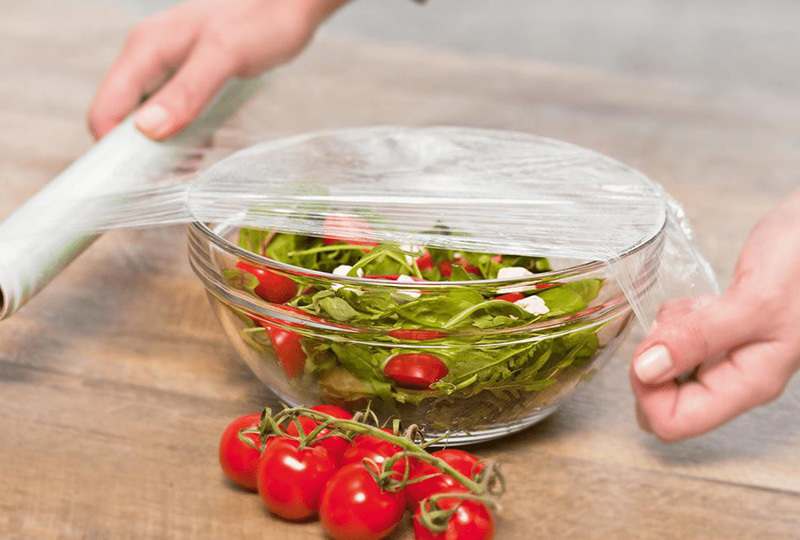
Gently stretch the cling film over the food item or dish. Make sure to press down firmly around the edges to create a tight seal. This is essential for preventing air from entering.
Step 4: Store Appropriately
Once wrapped, place the cling film-wrapped food in the refrigerator or freezer, depending on your storage needs. Ensure that the temperature is appropriate for the type of food being stored.
Best Practices for Food Storage
To maximize the effectiveness of PVC cling film, consider these best practices:
1. Use for Short-Term Storage
While cling film is excellent for short-term food storage, it is not ideal for long-term preservation. Consider using vacuum-sealed bags or airtight containers for items that require extended storage.
2. Label Your Food
When using cling film, it’s helpful to label wrapped foods with the date and contents. This practice helps you keep track of freshness and prevents confusion when rummaging through the fridge.
3. Keep Foods Cool
Store wrapped food in a consistently cool environment. Fluctuating temperatures can lead to spoilage, even when using cling film.
4. Avoid Wrapping Hot Foods
Allow hot foods to cool down before wrapping them in cling film. Wrapping hot foods can trap steam, leading to condensation and, ultimately, spoilage.
Common Mistakes to Avoid
Even the most seasoned cooks can make errors when using cling film. Here are common pitfalls to watch out for:
1. Incomplete Sealing
Failing to create a complete seal can allow air to enter, negating the benefits of using cling film. Always check for gaps before storing.
2. Using Cling Film in the Microwave
Not all cling films are microwave-safe. Make sure to check the packaging before using it in the microwave, as heat can cause harmful chemicals to leach into food.
3. Overlapping Layers
Using multiple layers of cling film may seem like a good way to protect food, but this can actually trap air and moisture. It’s better to use one tightly sealed layer.
Alternative Food Storage Options
While PVC cling film is a popular choice, several alternatives can also be effective:
1. Beeswax Wraps
Beeswax wraps are a sustainable option made from cotton infused with beeswax. They can be molded around food and are reusable, making them an eco-friendly choice.
2. Aluminum Foil
Aluminum foil can also be used for food storage, offering a good barrier against air and light. However, it is not as effective as cling film for moisture retention.
3. Airtight Containers
Airtight containers are excellent for longer-term storage. They provide a robust barrier against air, moisture, and contaminants.
Eco-Friendly Considerations
With the increasing focus on sustainability, it’s essential to consider the environmental impact of using PVC cling film. Here are some eco-friendly practices:
1. Reduce Single-Use Plastics
Limit the use of cling film to necessary situations to help reduce plastic waste. Consider reusable alternatives whenever possible.
2. Recycle When Possible
Some cling films are recyclable, though this varies by location and brand. Check local recycling guidelines to ensure proper disposal.
Frequently Asked Questions
1. Can I use PVC cling film in the microwave?
It depends on the brand. Always check the packaging for microwave safety instructions before using cling film in the microwave.
2. How long can I store food wrapped in cling film?
Cling film is best for short-term storage. Produce can be stored for a few days, while meats and leftovers should be consumed within a week.
3. Is cling film safe for wrapping meat?
Yes, PVC cling film is safe for wrapping meats, as it helps prevent cross-contamination and keeps them fresh.
4. Can I use cling film for freezing food?
Yes, cling film can be used for freezing, but ensure it is tightly sealed to prevent freezer burn.
5. Are there any foods I should not wrap in cling film?
Avoid wrapping foods that release ethylene gas, like bananas and tomatoes, as this can accelerate spoilage.
Conclusion
Storing food with PVC cling film effectively can significantly enhance freshness and prevent waste. By understanding the properties of cling film, employing best practices, and avoiding common mistakes, we can make the most of this simple yet effective kitchen tool. Whether it’s for leftovers, meal prep, or preserving the freshness of fruits and vegetables, mastering the use of cling film is an invaluable skill in today’s fast-paced culinary world. Embrace these strategies, and say goodbye to spoiled food, ensuring that every bite remains as delicious as the first!
Related News
What are the characteristics of PVC fresh-keeping film for food preservation

Can PVC plastic wrap be heated in a microwave oven?
What is the difference between PVC cling film and PE cling film
The choice of PVC cling film need to pay attention to what

Professional Cling Film Manufacturer
Address: No.3 Jiefang road (east) Cangzhou Economy Development Zone, Cangzhou City, Hebei province, China.
Please leave your email, we will contact you as soon as possible, thank you!