

How to Use Cling Film to Keep Your Kitchen Clean: A Comprehensive Guide
Release time:
Nov 11,2024
How to Use Cling Film to Keep Your Kitchen Clean: A Comprehensive Guide Table of Contents 1. Introduction to Cling Film and Its Benefits 2. What is Cling Film? 3. Uses of Cling Film in the Kitchen 3.1 Food Storage 3.2 Covering Dishes 3.3 Cleaning Surfaces 3.4 Preventing Spills 3.5 Marinating Ingredients 4. Step-by-Step Guide to Using Cling Film 5.
How to Use Cling Film to Keep Your Kitchen Clean: A Comprehensive Guide
Table of Contents
- 1. Introduction to Cling Film and Its Benefits
- 2. What is Cling Film?
- 3. Uses of Cling Film in the Kitchen
- 4. Step-by-Step Guide to Using Cling Film
- 5. Top Cleaning Tips with Cling Film
- 6. Common Mistakes When Using Cling Film
- 7. Eco-Friendly Alternatives to Cling Film
- 8. FAQs About Cling Film
- 9. Conclusion
1. Introduction to Cling Film and Its Benefits
Cling film, often referred to as plastic wrap or food wrap, has become an indispensable tool in kitchens around the world. Its primary function is to keep food fresh and uncontaminated. However, its versatility goes beyond simple food storage. In this guide, we will explore innovative ways to use cling film to keep your kitchen clean and organized.
**The benefits of using cling film include**:
- **Preservation of freshness**: Cling film helps maintain the moisture and flavors of food items.
- **Preventing cross-contamination**: By covering food, cling film reduces the risk of bacteria spreading in your kitchen.
- **Ease of use**: This lightweight material is easy to handle and can be cut to any size, making it perfect for various kitchen tasks.
2. What is Cling Film?
Cling film is a thin, transparent plastic film made from polyvinyl chloride (PVC) or low-density polyethylene (LDPE). It clings to surfaces, creating a tight seal that prevents air from entering and moisture from escaping. Its stretchy quality enables it to wrap around food containers, dishes, and other kitchen items effortlessly.
**Characteristics of cling film include**:
- **Stretchability**: Easily conforms to the shape of the item being wrapped.
- **Transparency**: Allows visibility of the food or item inside.
- **Water resistance**: Protects food from moisture, enhancing its shelf life.
3. Uses of Cling Film in the Kitchen
Cling film offers an array of applications that contribute to cleanliness and efficiency in the kitchen. Here are some of the most common uses:
3.1 Food Storage
Using cling film for food storage is perhaps its most well-known function. By wrapping leftovers or raw ingredients tightly, we can extend their shelf life and minimize waste.
**Best practices for food storage**:
- **Wrap items tightly**: Ensure there are no air pockets, as this can lead to spoilage.
- **Label and date**: Write the contents and date on a piece of tape and stick it to the cling film for easy identification.
3.2 Covering Dishes
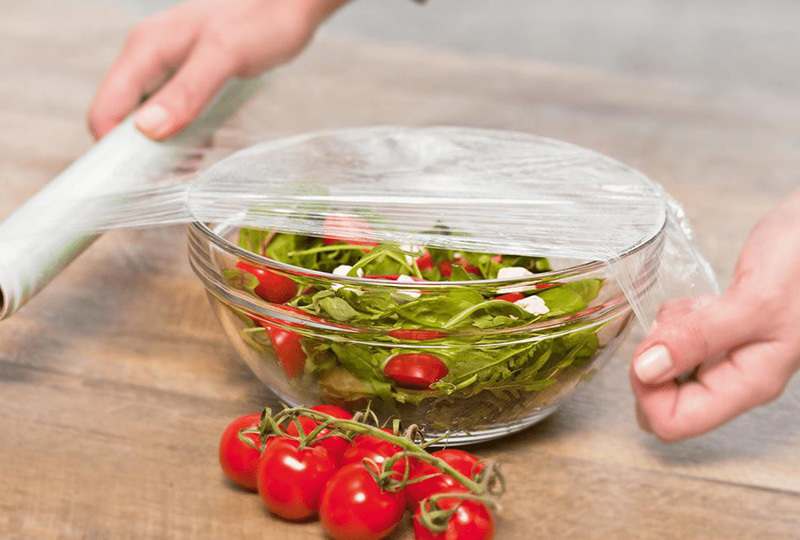
To keep dishes warm or prevent dust from settling, cling film makes an excellent cover. Whether it's a pot of soup or a tray of baked goods, wrapping dishes in cling film offers protection without altering the taste or texture.
**Tips for covering dishes**:
- **Avoid contact with hot surfaces**: Let food cool before applying cling film to avoid melting.
- **Use double layers for added protection**: When covering dishes that are prone to spills, a second layer can provide extra security.
3.3 Cleaning Surfaces
Cling film can be a handy tool for cleaning kitchen surfaces. By covering countertops with cling film before conducting messy tasks, we can minimize the mess and simplify cleanup.
**Steps for using cling film for cleaning**:
1. **Cover the surface**: Lay down cling film over your workspace.
2. **Conduct your task**: Perform your chopping, mixing, or assembling directly on the cling film.
3. **Dispose of the cling film**: Once finished, simply remove the cling film, leaving your surface clean.
3.4 Preventing Spills
When cooking or baking, spills can be a common occurrence. Cover bowls or containers with cling film to catch any splatters and minimize mess.
**Ways to use cling film to prevent spills**:
- **Cover mixing bowls**: When vigorously mixing ingredients, cling film can contain any splashes.
- **Seal your blender**: Placing cling film over a blender jar can prevent leaks while blending.
3.5 Marinating Ingredients
Cling film is an excellent option for marinating meats and vegetables. By tightly sealing the marinating container, the flavors penetrate the food more effectively.
**Marinating tips with cling film**:
- **Use a vacuum seal**: Press down on the cling film to remove excess air before sealing.
- **Turn frequently**: For even flavor distribution, turn the marinating food periodically.
4. Step-by-Step Guide to Using Cling Film
Using cling film in your kitchen is straightforward. Follow these steps for efficient application:
1. **Choose the right size**: Determine the amount of cling film needed based on the item you are covering.
2. **Cut the film**: Use scissors to cut a piece of cling film that is slightly larger than the item.
3. **Stretch and apply**: Hold the cling film at two opposite edges and stretch it over the item, ensuring it clings tightly.
4. **Seal the edges**: Press down the edges against the surface or container to create a seal.
5. Top Cleaning Tips with Cling Film
Maximize the effectiveness of cling film with these cleaning tips:
- **Use cling film to protect kitchen appliances**: Wrap appliances during food prep to keep them clean.
- **Tackle tricky stains**: For stubborn stains on surfaces or fabrics, cover them with cling film and let a cleaning solution sit to lift the stain.
- **Store opened packages**: Rewrap opened bags of flour, sugar, or pasta with cling film to keep them fresh.
6. Common Mistakes When Using Cling Film
While cling film is quite user-friendly, some common mistakes can undermine its effectiveness.
- **Not sealing properly**: Ensure the cling film is tightly sealed to prevent air from entering.
- **Using it on hot food**: Avoid applying cling film directly to hot items, as this can cause melting and leaching of chemicals.
- **Overusing**: Cling film is not a substitute for proper food storage containers; use both for best results.
7. Eco-Friendly Alternatives to Cling Film
For those looking to reduce plastic use, consider these eco-friendly alternatives:
- **Beeswax wraps**: Made from organic cotton infused with beeswax, these wraps can be reused multiple times.
- **Silicone covers**: These stretchy lids fit over bowls and dishes, providing a reusable alternative.
- **Glass containers**: Opt for glass storage containers with airtight lids for a sustainable option.
8. FAQs About Cling Film
**1. Is cling film safe to use in the microwave?**
Yes, most cling films are microwave-safe. Ensure it is labeled as such and do not cover food tightly, allowing steam to escape.
**2. Can cling film be recycled?**
Cling film is typically not recyclable, so consider using eco-friendly alternatives or reducing plastic use where possible.
**3. How long does cling film keep food fresh?**
The duration varies with the food type; however, cling film can extend freshness by days, depending on storage conditions.
**4. Are there any health concerns associated with cling film?**
When used correctly and not heated excessively, cling film is safe for food storage. Always check for BPA-free options.
**5. Can I use cling film for non-food-related tasks?**
Absolutely! Cling film can be used for wrapping items, protecting surfaces during painting, or even organizing small items.
9. Conclusion
In conclusion, cling film is a versatile tool that can significantly enhance cleanliness and organization in your kitchen. From effective food storage and preventing spills to simplifying cleaning tasks, knowing how to use cling film properly can transform your culinary experience. By incorporating cling film wisely into your kitchen routine, you can maintain freshness and cleanliness effortlessly. Explore the tips and tricks mentioned in this guide to maximize the benefits of cling film and keep your kitchen spotless and efficient.
Related News
What are the characteristics of PVC fresh-keeping film for food preservation

Can PVC plastic wrap be heated in a microwave oven?
What is the difference between PVC cling film and PE cling film
The choice of PVC cling film need to pay attention to what

Professional Cling Film Manufacturer
Address: No.3 Jiefang road (east) Cangzhou Economy Development Zone, Cangzhou City, Hebei province, China.
Please leave your email, we will contact you as soon as possible, thank you!