

Maximize Freshness with Cling Film for Packaging: Essential Insights
Release time:
Nov 20,2024
Cling film, often referred to as plastic wrap or stretch film, is an indispensable tool in the kitchen and packaging industry. Its primary function is to provide an airtight seal that helps preserve food freshness, making it a go-to solution for both professional and home kitchens. Understanding the various aspects of cling film for packaging can greatly enhance its effectiveness in daily use. One
Cling film, often referred to as plastic wrap or stretch film, is an indispensable tool in the kitchen and packaging industry. Its primary function is to provide an airtight seal that helps preserve food freshness, making it a go-to solution for both professional and home kitchens. Understanding the various aspects of cling film for packaging can greatly enhance its effectiveness in daily use.
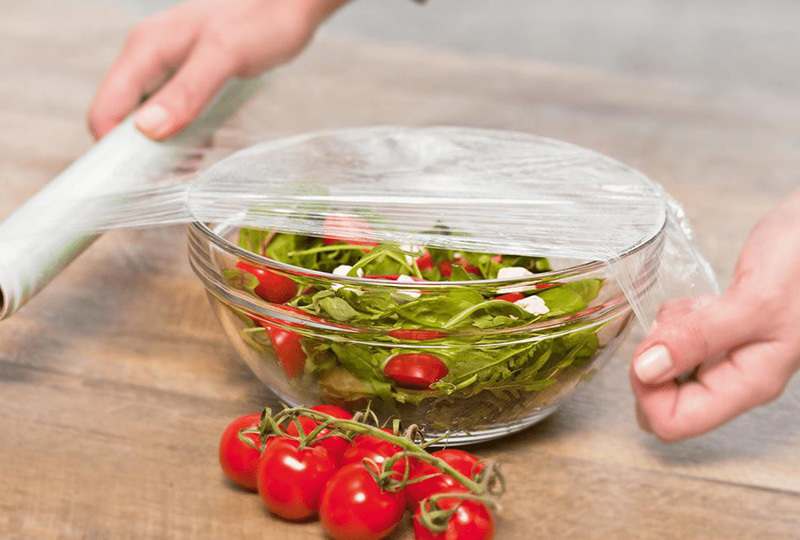
One of the key advantages of cling film is its ability to form a tight seal around food items and containers. This property inhibits the growth of bacteria and minimizes exposure to air, which can lead to spoilage. When wrapped securely, fruits, vegetables, and leftovers can maintain their freshness for an extended period, reducing food waste and saving money.
Cling film is not only limited to food storage but is also widely used in various packaging applications. In the food industry, it is commonly employed to wrap sandwiches, cheese, and meats, protecting them during transport and storage. Additionally, cling film can be used to cover dishes, provide a protective layer for baked goods, or even wrap entire meals. This versatility makes it an essential component in any food packaging strategy.
When utilizing cling film for packaging, it's important to choose the right thickness and quality. Thicker films often provide better durability and resistance to punctures, while thinner films are more suited for lighter items. Always consider the specific needs of the products being packaged to select the most appropriate cling film.
Moreover, proper application techniques can enhance the effectiveness of cling film. For best results, ensure that the surface is clean and dry before wrapping. Smoothly press the film against the surface to eliminate air pockets, which can compromise the seal. For items with irregular shapes, using smaller pieces of cling film can help create a tighter wrap.
Sustainability is another consideration in the use of cling film. As consumers become increasingly environmentally conscious, many manufacturers are now offering biodegradable or recyclable options. These alternatives help reduce the ecological footprint while still providing the necessary food protection.
In conclusion, cling film for packaging is a valuable resource in maintaining food quality and safety. By understanding its benefits, applications, and best practices, users can optimize their food storage strategies and contribute to reducing waste. Whether in a professional kitchen or a home setting, incorporating cling film efficiently can result in fresher food and improved packaging solutions.
Related News
What are the characteristics of PVC fresh-keeping film for food preservation

Can PVC plastic wrap be heated in a microwave oven?
What is the difference between PVC cling film and PE cling film
The choice of PVC cling film need to pay attention to what

Professional Cling Film Manufacturer
Address: No.3 Jiefang road (east) Cangzhou Economy Development Zone, Cangzhou City, Hebei province, China.
Please leave your email, we will contact you as soon as possible, thank you!