

The Comprehensive Benefits of Using Plastic Cling Film for Meal Preparation
Release time:
Nov 17,2024
The Comprehensive Benefits of Using Plastic Cling Film for Meal Preparation Table of Contents 1. Introduction to Plastic Cling Film 2. Key Benefits of Using Plastic Cling Film in Meal Preparation 2.1. Enhanced Freshness and Longevity of Food 2.2. Versatile Uses in the Kitchen 2.3. Time-Saving Advantages 2.4. Cost-Effective Solution for Food Storage 3. How to Use Plastic Cling Film
The Comprehensive Benefits of Using Plastic Cling Film for Meal Preparation
Table of Contents
1. Introduction to Plastic Cling Film
2. Key Benefits of Using Plastic Cling Film in Meal Preparation
2.1. Enhanced Freshness and Longevity of Food
2.2. Versatile Uses in the Kitchen
2.3. Time-Saving Advantages
2.4. Cost-Effective Solution for Food Storage
3. How to Use Plastic Cling Film Effectively
4. Tips for Selecting the Right Plastic Cling Film
5. Environmental Considerations
6. Frequently Asked Questions (FAQs)
7. Conclusion
1. Introduction to Plastic Cling Film
Plastic cling film, also known as plastic wrap or food wrap, is a thin plastic film that clings to surfaces and itself. This kitchen staple is designed to cover food items, preventing spoilage and maintaining optimal freshness. With its versatility and convenience, plastic cling film has become an indispensable tool for home cooks and professional chefs alike.
2. Key Benefits of Using Plastic Cling Film in Meal Preparation
When it comes to preparing meals, efficiency and food preservation are paramount. Let’s explore the myriad benefits of incorporating plastic cling film into your kitchen routine.
2.1. Enhanced Freshness and Longevity of Food
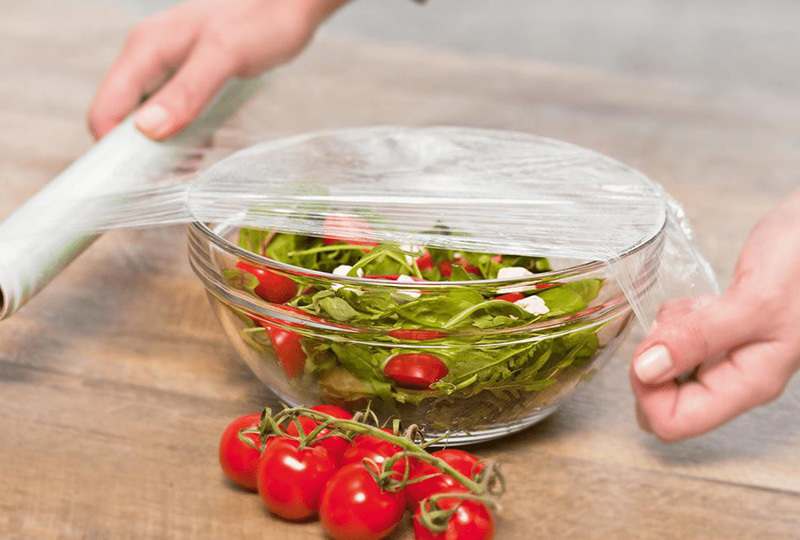
One of the standout benefits of plastic cling film is its ability to keep food fresh for extended periods. By tightly wrapping items such as fruits, vegetables, and leftovers, you create a barrier that minimizes air exposure. This barrier helps slow down the oxidation process, thus preserving the taste, texture, and nutritional value of your food. Studies show that properly wrapped food can last significantly longer in the refrigerator or freezer, reducing waste and saving money.
2.2. Versatile Uses in the Kitchen
Plastic cling film is incredibly versatile, making it suitable for various applications in the kitchen. Use it to cover bowls of dough, marinate meats, or wrap sandwiches. It can even be employed to create a makeshift lid for containers that lack one. The adaptability of plastic cling film means it can cater to numerous culinary tasks, freeing you from the clutter of multiple kitchen tools and gadgets.
2.3. Time-Saving Advantages
In today’s fast-paced world, time is of the essence. Plastic cling film streamlines meal preparation by allowing you to prep ingredients in advance. Wrap chopped vegetables or marinated proteins, and store them in the refrigerator. When mealtime arrives, you can simply unwrap and cook, eliminating the need for time-consuming preparation. This efficiency is especially beneficial for busy families or individuals striving to maintain a healthy lifestyle amidst their hectic schedules.
2.4. Cost-Effective Solution for Food Storage
Utilizing plastic cling film is a cost-effective strategy for food storage. By reducing spoilage and extending the life of your groceries, you can save money on food waste. A single roll of plastic cling film is relatively inexpensive and can cover a significant amount of food, making it a budget-friendly option for meal preparation and storage.
3. How to Use Plastic Cling Film Effectively
To maximize the benefits of plastic cling film, it’s essential to use it correctly. Here are some tips:
- **Clean and Dry Surfaces:** Make sure the food items or containers you are wrapping are clean and dry. Moisture can lead to spoilage.
- **Wrap Tightly:** Ensure that the cling film clings tightly to the surface of the food or container, minimizing air pockets that could lead to spoilage.
- **Double Wrap for Added Protection:** For items that are particularly prone to spoilage, consider using two layers of cling film to create an extra barrier against the elements.
4. Tips for Selecting the Right Plastic Cling Film
Not all plastic cling films are created equal. Here are a few tips to help you select the best one for your kitchen:
- **Thickness Matters:** Thicker cling films tend to be more durable and provide better sealing. Look for products labeled as "heavy-duty."
- **Food Safety:** Ensure that the cling film is BPA-free and safe for food contact. This is crucial for maintaining food safety.
- **Ease of Use:** Some cling films come with cutting tools or dispensers that make it easier to tear off the desired length without tangling.
5. Environmental Considerations
While plastic cling film offers numerous benefits, it’s essential to consider its environmental impact. Traditional plastic wrap is often single-use and can contribute to plastic waste. Here are several eco-friendly alternatives:
- **Reusable Beeswax Wraps:** These wraps can be used multiple times and are compostable.
- **Silicone Food Covers:** Silicone covers can be reused and are suitable for various shapes and sizes of containers.
- **Biodegradable Plastic Wraps:** Some brands offer wraps made from plant-based materials that break down more easily in the environment.
Choosing environmentally friendly options can help minimize your ecological footprint while still enjoying the benefits of effective food storage.
6. Frequently Asked Questions (FAQs)
**Q1: Can plastic cling film be used in the microwave?**
A1: Yes, many plastic cling films are microwave-safe. However, always check the packaging for specific instructions, as some may not be suitable for high temperatures.
**Q2: Is plastic cling film safe for wrapping food?**
A2: As long as you choose BPA-free options designed for food storage, plastic cling film is safe for wrapping food.
**Q3: How should I store unused plastic cling film?**
A3: Keep plastic cling film in a cool, dry place, away from direct sunlight and heat sources to maintain its integrity.
**Q4: How does plastic cling film compare to aluminum foil?**
A4: Plastic cling film provides better sealing and is more effective at keeping moisture in, while aluminum foil is better for cooking and covering items in the oven.
**Q5: Can I reuse plastic cling film?**
A5: In some cases, you can reuse plastic cling film, especially if it has been used to wrap dry items. However, if it has come into contact with raw meat or other perishable items, it’s best to dispose of it after a single use.
7. Conclusion
Incorporating plastic cling film into your meal preparation routine offers a plethora of benefits, from extending food freshness and versatility in the kitchen to time-saving advantages and cost-effectiveness. By using plastic cling film effectively and choosing the right products, you can enhance your cooking experience while minimizing food waste. With awareness of environmental considerations, you can make informed choices that benefit both your kitchen and the planet. Embrace the convenience and practicality of plastic cling film, and watch how it transforms your meal preparation process into a more enjoyable and efficient experience.
Related News
What are the characteristics of PVC fresh-keeping film for food preservation

Can PVC plastic wrap be heated in a microwave oven?
What is the difference between PVC cling film and PE cling film
The choice of PVC cling film need to pay attention to what

Professional Cling Film Manufacturer
Address: No.3 Jiefang road (east) Cangzhou Economy Development Zone, Cangzhou City, Hebei province, China.
Please leave your email, we will contact you as soon as possible, thank you!