

The Science Behind Bio-Based Cling Film: A Sustainable Choice for Modern Kitchens
Release time:
Nov 13,2024
The Science Behind Bio-Based Cling Film: A Sustainable Choice for Modern Kitchens Table of Contents 1. Introduction to Bio-Based Cling Film 2. What is Bio-Based Cling Film? 3. Benefits of Bio-Based Cling Film 4. How Bio-Based Cling Film is Made 5. Sustainability Impacts of Bio-Based Cling Film 6. Comparison with Traditional Cling Film 7. Practical Uses of Bio-Based Cling Film in
The Science Behind Bio-Based Cling Film: A Sustainable Choice for Modern Kitchens
Table of Contents
- 1. Introduction to Bio-Based Cling Film
- 2. What is Bio-Based Cling Film?
- 3. Benefits of Bio-Based Cling Film
- 4. How Bio-Based Cling Film is Made
- 5. Sustainability Impacts of Bio-Based Cling Film
- 6. Comparison with Traditional Cling Film
- 7. Practical Uses of Bio-Based Cling Film in the Kitchen
- 8. Frequently Asked Questions (FAQs)
- 9. Conclusion
1. Introduction to Bio-Based Cling Film
In an era where sustainability is paramount, the demand for environmentally friendly products continues to rise. One such product making waves in the kitchen is **bio-based cling film**. Unlike its traditional counterparts, bio-based cling film offers a sustainable alternative, contributing not just to better food preservation but also to a healthier planet. This article delves into the science behind this innovative product, its benefits, how it’s made, and its role in modern kitchens.
2. What is Bio-Based Cling Film?
Bio-based cling film is designed to wrap and preserve food while being derived from renewable resources. Typically made from natural materials such as corn starch, sugarcane, or other plant-based sources, **bio-based cling film** serves the same purpose as conventional plastic wrap but with a significantly reduced environmental footprint. It is biodegradable and compostable, breaking down more quickly than traditional petroleum-based films.
Understanding the Composition
The primary component of bio-based cling films is **polyactic acid** (PLA), which is produced through the fermentation of sugars derived from plants. This process not only allows for a biodegradable product but also reduces reliance on fossil fuels, making it a much greener choice for food storage.
3. Benefits of Bio-Based Cling Film
Opting for bio-based cling film comes with a myriad of benefits that extend beyond its eco-friendly origins.
Environmental Impact
The most significant advantage is its reduced environmental impact. Since bio-based cling film is made from renewable resources, it helps lower greenhouse gas emissions compared to traditional plastic products. Moreover, its biodegradability means it can break down into natural components, reducing landfill waste.
Food Safety and Preservation
Bio-based cling film effectively protects food from contaminants and maintains freshness. It provides an airtight seal, preventing moisture loss and prolonging the shelf life of various food items. This characteristic is essential for minimizing food waste, contributing to a more sustainable kitchen.
Health Considerations
Another critical aspect is that bio-based cling films are often free from harmful chemicals found in traditional plastics, such as BPA and phthalates. This makes them a safer option for food storage, particularly for items that require direct contact with the film.
4. How Bio-Based Cling Film is Made
The production of bio-based cling film involves several steps, starting from raw materials to the final product.
Raw Material Extraction
The process begins with the extraction of starch or sugars from plants. Common sources include corn, sugarcane, and other agricultural byproducts. These materials are then processed to convert them into fermentable sugars.
Fermentation Process
The extracted sugars undergo fermentation, where microorganisms convert them into lactic acid. This lactic acid is the building block for creating polyactic acid (PLA), the primary component of bio-based cling film.
Film Extrusion
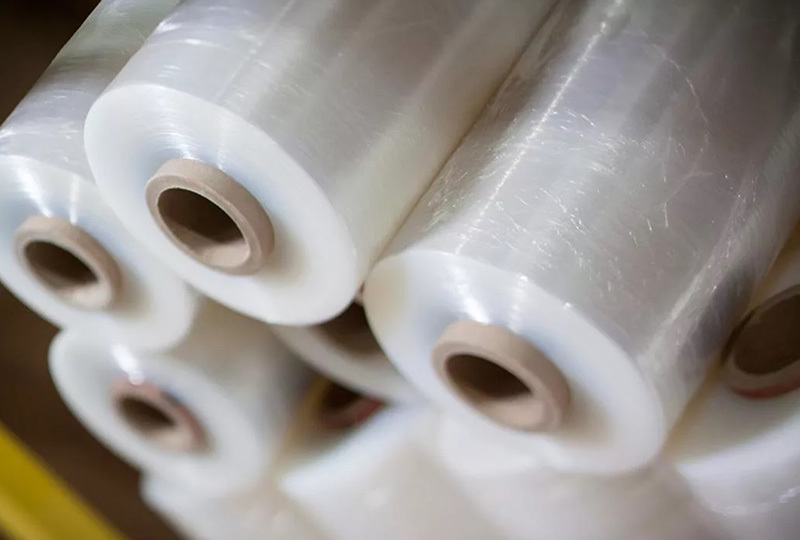
The PLA is then melted and extruded into thin sheets. These sheets are cooled and rolled into rolls, ready for distribution. Quality control measures are implemented to ensure that the cling film meets safety and performance standards.
5. Sustainability Impacts of Bio-Based Cling Film
The shift towards bio-based cling film has positive implications for sustainability on several fronts.
Reduction of Plastic Waste
By choosing bio-based cling film over traditional plastic wraps, consumers contribute to reducing the overall plastic waste problem. Since bio-based films decompose naturally, they help mitigate the long-lasting impact of plastics on the environment.
Lower Carbon Footprint
The production of bio-based cling film typically results in lower carbon emissions compared to petroleum-based alternatives. Utilizing renewable resources means that the lifecycle of the product has a significantly reduced carbon footprint.
6. Comparison with Traditional Cling Film
To understand the advantages of bio-based cling film, it is essential to compare it with conventional plastic wraps.
Material Source
Traditional cling films are primarily made from polyethylene, a petroleum-based product. In contrast, bio-based cling films are derived from renewable plant materials, making them a more sustainable option.
Biodegradability
While most traditional plastic wraps can take centuries to decompose, bio-based cling films typically break down within a few months under the right conditions. This feature is crucial for reducing landfill accumulation.
Health and Safety
Health concerns regarding the leaching of chemicals from conventional plastic wraps into food have led many consumers to seek safer alternatives. Bio-based cling films are generally free from toxic substances, providing peace of mind for health-conscious individuals.
7. Practical Uses of Bio-Based Cling Film in the Kitchen
Bio-based cling film is versatile and can be utilized in various ways in the kitchen.
Food Storage
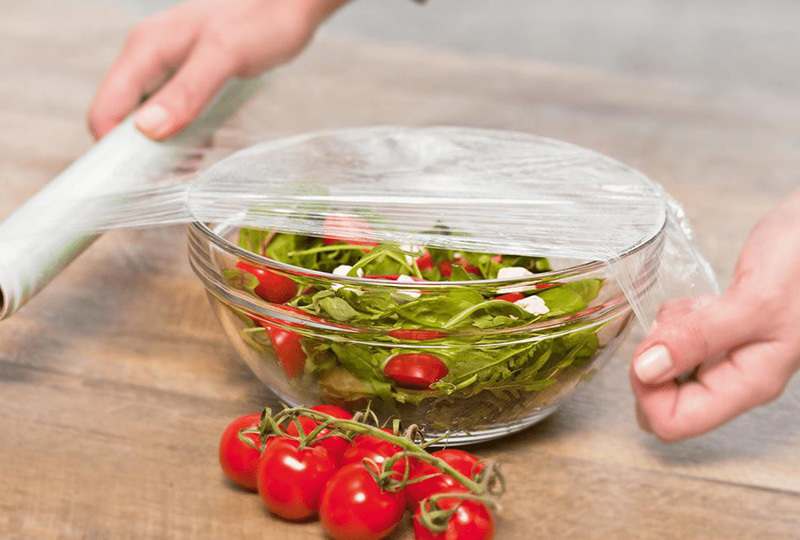
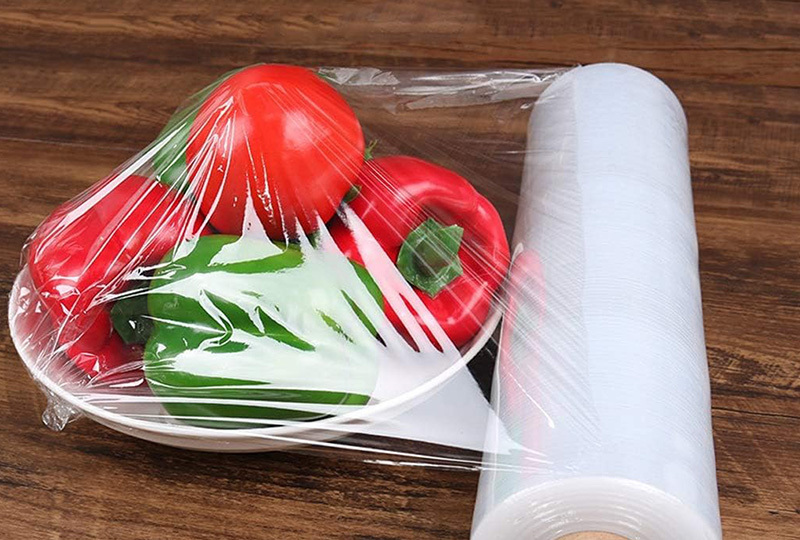
Wrap leftovers, cut fruits, and vegetables to keep them fresh. The airtight seal of bio-based cling film helps maintain the quality of food items for longer durations.
Marinating Food
Use bio-based cling film to cover marinating dishes, allowing flavors to meld while preventing contamination.
Baking and Cooking
Bio-based cling film can be used in microwave-safe applications, making it suitable for covering dishes in the microwave or wrapping food for steaming.
8. Frequently Asked Questions (FAQs)
1. Is bio-based cling film safe for food contact?
Yes, bio-based cling film is generally safe for food contact and is often free from harmful chemicals found in traditional plastics.
2. Can bio-based cling film be recycled?
Bio-based cling films are biodegradable and compostable, but recycling facilities for bio-based materials may not be widely available. Check local guidelines for proper disposal.
3. How long does bio-based cling film last?
The shelf life of bio-based cling film can vary based on storage conditions but is typically comparable to traditional cling film when kept in a cool, dry place.
4. Where can I buy bio-based cling film?
Bio-based cling film is available in many supermarkets, health food stores, and online retailers. Look for brands that emphasize sustainability in their products.
5. How does bio-based cling film compare in price to traditional cling film?
While bio-based cling film may be slightly more expensive due to production costs, the environmental benefits often justify the price difference for many consumers.
9. Conclusion
Bio-based cling film represents a significant advancement in our quest for sustainable living. By opting for this eco-friendly alternative, consumers can reduce their environmental impact while effectively preserving food. With its biodegradable nature, health benefits, and versatility in the kitchen, bio-based cling film is a smart choice for anyone looking to make a difference in their food storage habits. The science behind this product not only highlights its practicality but also emphasizes the importance of choosing sustainable options in our daily lives. Embrace bio-based cling film as a vital step toward a greener future, both for your kitchen and the planet.
Related News
What are the characteristics of PVC fresh-keeping film for food preservation

Can PVC plastic wrap be heated in a microwave oven?
What is the difference between PVC cling film and PE cling film
The choice of PVC cling film need to pay attention to what

Professional Cling Film Manufacturer
Address: No.3 Jiefang road (east) Cangzhou Economy Development Zone, Cangzhou City, Hebei province, China.
Please leave your email, we will contact you as soon as possible, thank you!