

Why Industrial Cling Film is a Game Changer for Food Storage
Release time:
Nov 19,2024
Why Industrial Cling Film is a Game Changer for Food Storage Table of Contents 1. Introduction to Industrial Cling Film 2. The Evolution of Food Storage Solutions 3. The Science Behind Industrial Cling Film 3.1 Composition and Materials 3.2 Properties That Enhance Food Preservation 4. Benefits of Using Industrial Cling Film 4.1 Extended Freshness and Shelf Life 4.2 Versatility in Usage 4.3 Cost-Ef
Why Industrial Cling Film is a Game Changer for Food Storage
Table of Contents
1. Introduction to Industrial Cling Film
2. The Evolution of Food Storage Solutions
3. The Science Behind Industrial Cling Film
3.1 Composition and Materials
3.2 Properties That Enhance Food Preservation
4. Benefits of Using Industrial Cling Film
4.1 Extended Freshness and Shelf Life
4.2 Versatility in Usage
4.3 Cost-Effectiveness for Bulk Storage
5. Applications in Various Settings
5.1 Home Kitchen Use
5.2 Commercial Kitchen Efficiency
5.3 Food Transportation and Delivery
6. How to Use Industrial Cling Film Effectively
6.1 Proper Techniques for Wrapping Food
6.2 Tips for Maximizing Freshness
7. Addressing Common Concerns
7.1 Safety and Food Contact Regulations
7.2 Environmental Considerations
8. Frequently Asked Questions (FAQs)
9. Conclusion
1. Introduction to Industrial Cling Film
In a world where food freshness and safety are paramount, **industrial cling film** stands out as a revolutionary solution for food storage. This versatile product has evolved into an essential tool for both home cooks and professional chefs. By wrapping food products securely, cling film provides an effective barrier against air and moisture, ensuring that food remains fresh for longer periods.
2. The Evolution of Food Storage Solutions
Historically, food storage methods have ranged from simple techniques like drying and salting to the use of glass jars and metal containers. With the advent of refrigeration, food preservation saw significant advances. However, these solutions often fall short in preventing spoilage from air exposure. The introduction of cling film marked a pivotal shift, offering greater flexibility and effectiveness in food preservation.
3. The Science Behind Industrial Cling Film
Understanding the composition and functionality of cling film is essential to appreciating its role in food storage.
3.1 Composition and Materials
Industrial cling film is typically made from materials such as polyethylene or polyvinyl chloride (PVC). These polymers are known for their excellent barrier properties, which prevent moisture loss and protect food from external contaminants.
3.2 Properties That Enhance Food Preservation
The key feature of cling film is its ability to cling tightly to surfaces. This property not only creates an airtight seal but also allows the film to conform to the shape of the food item, reducing the amount of air that can cause spoilage. The film’s transparency enables easy identification of contents, enhancing convenience.
4. Benefits of Using Industrial Cling Film
The advantages of using industrial cling film are manifold. Below are some significant benefits that make it a game changer in food storage.
4.1 Extended Freshness and Shelf Life
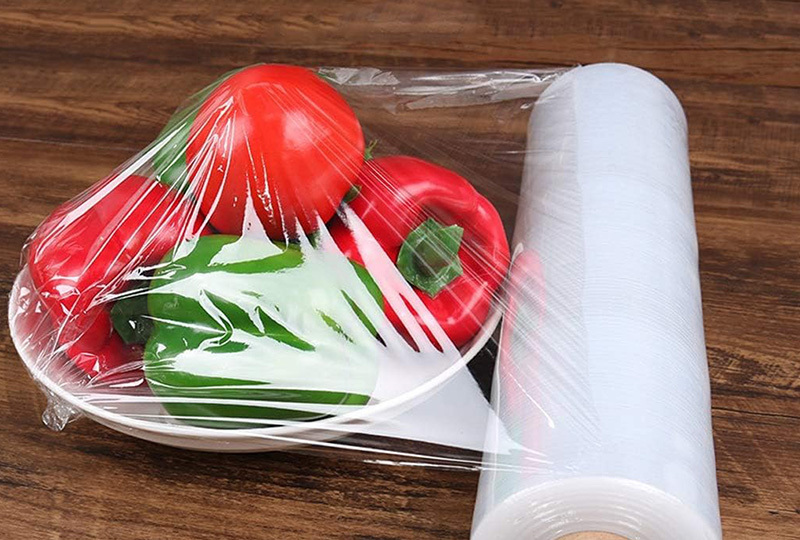
One of the most compelling reasons to use cling film is its ability to prolong the shelf life of food items. By minimizing exposure to air, cling film effectively slows down the oxidation process, which is responsible for spoilage. Fruits, vegetables, and leftover meals wrapped in cling film retain their freshness for days longer than when stored without it.
4.2 Versatility in Usage
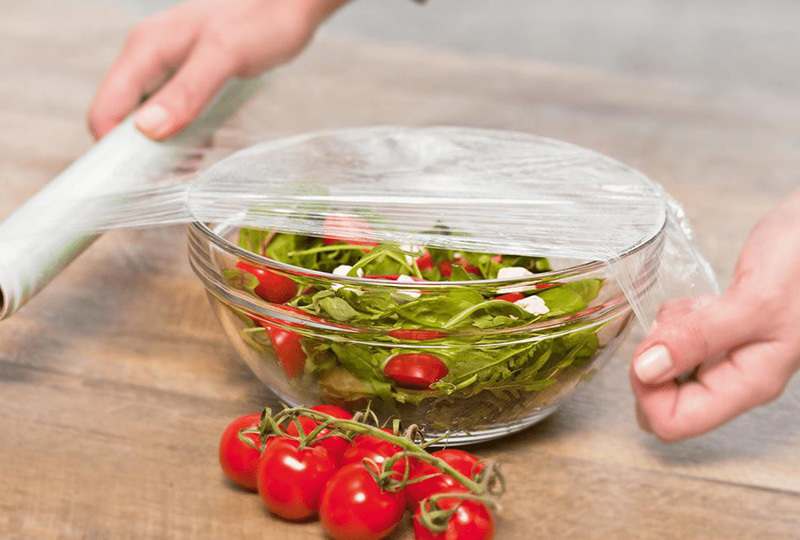
Cling film is incredibly versatile. It can be used to wrap sandwiches, cover bowls, and protect individual food items, making it suitable for both solid and liquid contents. This adaptability makes it an indispensable tool in any kitchen.
4.3 Cost-Effectiveness for Bulk Storage
For commercial kitchens and restaurants, the ability to buy in bulk and store food efficiently is critical to managing costs. Industrial cling film provides an economical solution for storing large quantities of ingredients, reducing waste and spoilage.
5. Applications in Various Settings
Industrial cling film is not limited to home kitchens; it plays a crucial role in various food handling and storage scenarios.
5.1 Home Kitchen Use
In the home kitchen, cling film can be used to keep leftovers fresh, cover dough while it rises, or wrap sandwiches for lunch. Its ease of use makes it a go-to choice for busy households.
5.2 Commercial Kitchen Efficiency
In commercial settings, chefs utilize cling film for food prep, storage, and presentation. It enables the efficient organization of food items, ensuring that they are readily accessible while maintaining freshness.
5.3 Food Transportation and Delivery
With the rise of food delivery services, cling film has become essential in securely packaging meals for transport. It protects food from contamination and preserves its quality during transit.
6. How to Use Industrial Cling Film Effectively
Maximizing the benefits of cling film requires proper usage techniques.
6.1 Proper Techniques for Wrapping Food
To effectively wrap food with cling film, start by tearing off a sufficient length and placing the food item in the center. Gently stretch the film over the item, ensuring it makes contact with all surfaces to create a secure seal.
6.2 Tips for Maximizing Freshness
For best results, avoid touching the inside of the cling film with your hands to prevent contamination. Additionally, always ensure that the cling film is tightly wrapped to minimize air exposure.
7. Addressing Common Concerns
While cling film is beneficial, it is essential to address some common concerns associated with its use.
7.1 Safety and Food Contact Regulations
Many consumers worry about the safety of using cling film in food storage. Most industrial cling films are manufactured to meet stringent food contact safety regulations. It is crucial to choose BPA-free options to ensure food safety.
7.2 Environmental Considerations
As with all plastic products, environmental impact is a concern. Some companies now produce biodegradable cling films, which provide similar benefits while reducing environmental harm.
8. Frequently Asked Questions (FAQs)
1. Can I use cling film in the microwave?
Yes, many cling films are microwave-safe, but always check the packaging for specific instructions.
2. Is cling film recyclable?
Most cling films are not recyclable. However, some brands offer biodegradable alternatives.
3. How long can food be stored with cling film?
The duration depends on the type of food, but cling film can extend freshness for several days to weeks, depending on proper storage conditions.
4. Does cling film leach chemicals into food?
When used correctly, cling film that complies with food safety standards does not leach harmful chemicals into food.
5. What is the difference between regular and industrial cling film?
Industrial cling film is designed for heavy-duty use, often thicker and more durable than standard household cling film, making it suitable for larger quantities and commercial applications.
9. Conclusion
In conclusion, **industrial cling film is undeniably a game changer for food storage**. Its ability to enhance food preservation, coupled with its versatility and cost-effectiveness, makes it an essential tool in kitchens worldwide. By understanding how to use cling film effectively and addressing common concerns, both home cooks and professionals can maximize its benefits. Embracing cling film not only ensures food safety and freshness but also contributes to a more efficient kitchen environment. As we look to the future of food storage, industrial cling film will undoubtedly remain at the forefront of innovative solutions.
Related News
What are the characteristics of PVC fresh-keeping film for food preservation

Can PVC plastic wrap be heated in a microwave oven?
What is the difference between PVC cling film and PE cling film
The choice of PVC cling film need to pay attention to what

Professional Cling Film Manufacturer
Address: No.3 Jiefang road (east) Cangzhou Economy Development Zone, Cangzhou City, Hebei province, China.
Please leave your email, we will contact you as soon as possible, thank you!