

A Beginner's Guide to Industrial Cling Film and Its Uses
Release time:
Oct 20,2024
A Beginner's Guide to Industrial Cling Film and Its Uses Table of Contents 1. Introduction to Industrial Cling Film 2. What is Industrial Cling Film? 3. Benefits of Using Cling Film in Industries 4. Different Types of Industrial Cling Film 4.1 PVC Cling Film 4.2 PE Cling Film 4.3 Biodegradable Cling Film 5. Common Applications of Industrial Cling Film 5.1 Food Preservation and
A Beginner's Guide to Industrial Cling Film and Its Uses
Table of Contents
1. Introduction to Industrial Cling Film
2. What is Industrial Cling Film?
3. Benefits of Using Cling Film in Industries
4. Different Types of Industrial Cling Film
4.1 PVC Cling Film
4.2 PE Cling Film
4.3 Biodegradable Cling Film
5. Common Applications of Industrial Cling Film
5.1 Food Preservation and Packaging
5.2 Healthcare and Medical Use
5.3 Manufacturing and Industrial Use
6. How to Properly Use Industrial Cling Film
6.1 Tips for Effective Wrapping
6.2 Storage Recommendations
7. Environmental Considerations
8. Frequently Asked Questions (FAQs)
9. Conclusion
1. Introduction to Industrial Cling Film
Industrial cling film has become an essential tool across various industries, serving multiple purposes that enhance efficiency and safety. This guide delves into the insights of this versatile product, equipping you with the knowledge to integrate it effectively into your operations.
2. What is Industrial Cling Film?
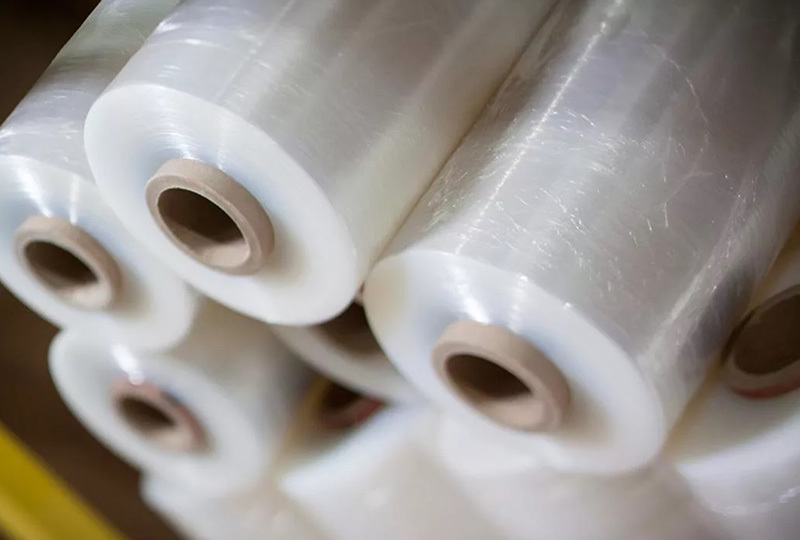
Industrial cling film, often referred to as stretch film or plastic wrap, is a thin plastic film made primarily from polyethylene. Its adhesive properties allow it to cling to surfaces, making it ideal for wrapping items securely. It is widely used for packaging, protecting goods, and ensuring freshness in various industries such as food service, healthcare, and manufacturing.
3. Benefits of Using Cling Film in Industries
Utilizing industrial cling film offers numerous advantages that cater to the diverse needs of different sectors. Here are some key benefits:
1. **Protection Against Contamination**: Cling film acts as a barrier against dust, dirt, and other contaminants, ensuring that products, especially food items, remain clean and safe for consumption.
2. **Extended Shelf Life**: By creating a tight seal around food products, cling film helps to preserve freshness and prolong shelf life, reducing waste and saving costs.
3. **Cost-Effectiveness**: Its affordability and versatility make cling film a cost-efficient packaging solution compared to alternatives.
4. **Ease of Use**: Industrial cling film is easy to handle, requiring minimal equipment for application, which speeds up the wrapping process.
5. **Versatility**: It can be used for a wide range of applications, from food preservation to securing machinery parts in manufacturing settings.
4. Different Types of Industrial Cling Film
When choosing cling film for your industrial needs, it's important to understand the different types available.
4.1 PVC Cling Film
Polyvinyl chloride (PVC) cling film is known for its excellent cling properties and is commonly used in the food industry. It offers good transparency and is often used in fresh food packaging.
4.2 PE Cling Film
Polyethylene (PE) cling film is another popular choice, offering greater flexibility and resistance to punctures. It's typically used for covering food items and in medical settings due to its safety features.
4.3 Biodegradable Cling Film
With growing environmental concerns, biodegradable cling film has emerged as a sustainable alternative. Made from natural materials, it decomposes over time without harming the environment, making it ideal for eco-conscious businesses.
5. Common Applications of Industrial Cling Film
Industrial cling film is utilized in various sectors, serving unique functions that enhance operational efficiency.
5.1 Food Preservation and Packaging
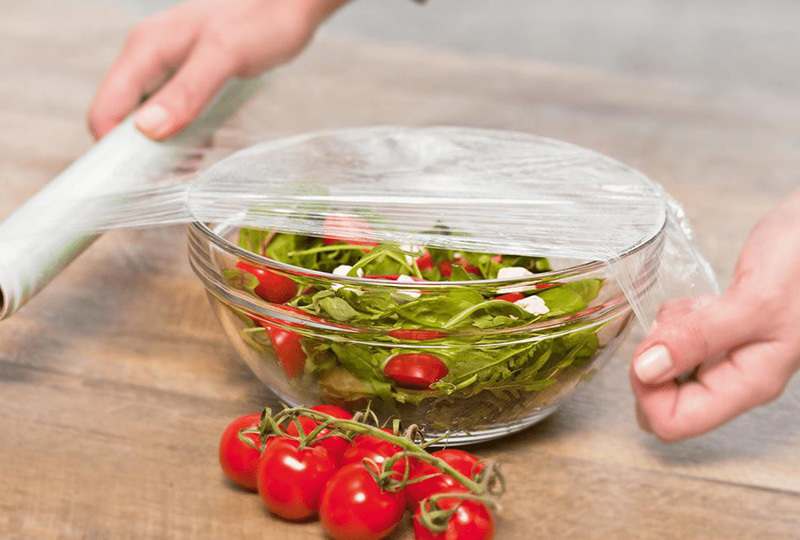
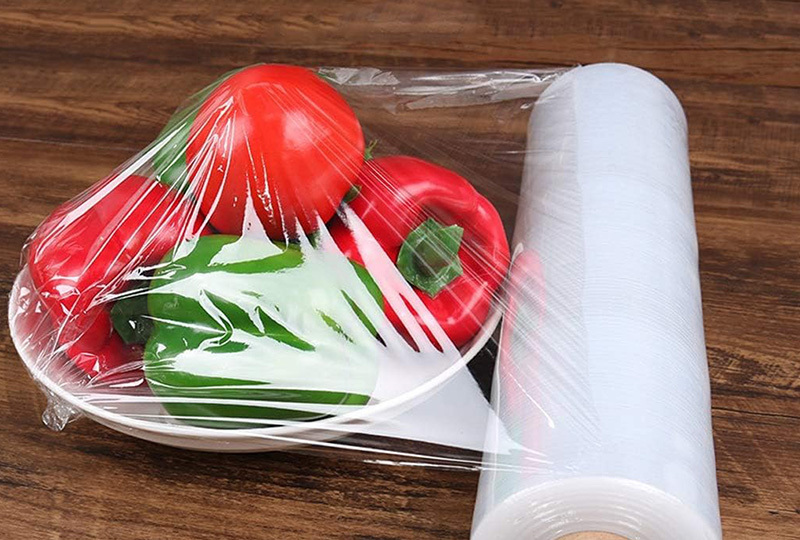
In the food industry, cling film is essential for preserving freshness. It is commonly used to wrap sandwiches, fruits, and vegetables, preventing spoilage and maintaining quality. Additionally, it is used in commercial kitchens to cover prepared dishes, ensuring hygiene and proper storage.
5.2 Healthcare and Medical Use
In healthcare, cling film is used to cover surgical instruments and dressings, providing a sterile barrier. Its flexibility and waterproof properties make it a reliable choice for various medical applications.
5.3 Manufacturing and Industrial Use
In manufacturing, cling film is used to secure machinery parts and tools during transport. It helps prevent damage and ensures that items remain organized and easily identifiable.
6. How to Properly Use Industrial Cling Film
Maximizing the effectiveness of cling film requires proper technique and handling.
6.1 Tips for Effective Wrapping
- **Ensure Clean Surfaces**: Always clean the surface of the item you intend to wrap to enhance adhesion.
- **Pull Taut**: When wrapping, pull the film taut for a secure seal. This prevents air from entering and helps keep items fresh.
- **Overlap Layers**: For larger items, overlap the cling film layers to ensure comprehensive coverage.
6.2 Storage Recommendations
- **Keep in a Dry Place**: Store cling film in a cool, dry environment away from direct sunlight to maintain its integrity.
- **Avoid Extreme Temperatures**: High temperatures can cause cling film to lose its adhesive properties, making it less effective.
7. Environmental Considerations
As industries increasingly focus on sustainability, the environmental impact of cling film has come under scrutiny. Choosing biodegradable options can significantly mitigate the ecological footprint while still providing the necessary functionality. Additionally, recycling initiatives for plastic films are gaining traction, encouraging businesses to adopt more responsible practices in waste management.
8. Frequently Asked Questions (FAQs)
**Q1: Can cling film be used in microwave ovens?**
A1: Most cling films are microwave-safe, but it's essential to check the manufacturer's guidelines before use.
**Q2: How do I recycle cling film?**
A2: Depending on your location, some facilities accept cling film for recycling. Ensure it is clean and dry before disposal.
**Q3: Is cling film safe for food contact?**
A3: Yes, cling film is designed for food contact, but ensure you use products labeled as food-safe.
**Q4: How do I prevent cling film from sticking to itself?**
A4: To avoid tangling, unroll the film slowly and use a steady hand. Some brands offer anti-static options to reduce sticking.
**Q5: What is the best way to store cling film?**
A5: Store cling film in a cool, dry place and keep it in its original packaging to prevent it from sticking to itself.
9. Conclusion
Industrial cling film is a versatile and essential tool in many industries, offering protection, preservation, and practicality. Understanding its types, benefits, and applications allows businesses to leverage its full potential effectively. By adopting best practices for use and storage, companies can enhance their operations while considering environmental impacts. Embracing this simple yet powerful product can lead to improved efficiency and sustainability in your industrial processes.
Related News
What are the characteristics of PVC fresh-keeping film for food preservation

Can PVC plastic wrap be heated in a microwave oven?
What is the difference between PVC cling film and PE cling film
The choice of PVC cling film need to pay attention to what

Professional Cling Film Manufacturer
Address: No.3 Jiefang road (east) Cangzhou Economy Development Zone, Cangzhou City, Hebei province, China.
Please leave your email, we will contact you as soon as possible, thank you!