

How Industrial Cling Film Can Help You Save Time in the Kitchen
Release time:
Nov 09,2024
How Industrial Cling Film Can Help You Save Time in the Kitchen Table of Contents Introduction to Industrial Cling Film What is Industrial Cling Film? Benefits of Using Industrial Cling Film in Your Kitchen Time-Saving Properties of Cling Film Applications of Cling Film in Food Storage Meal Prep Techniques with Cling Film Environmental Considerations for Using Cling Film Conclusio
How Industrial Cling Film Can Help You Save Time in the Kitchen
Table of Contents
- Introduction to Industrial Cling Film
- What is Industrial Cling Film?
- Benefits of Using Industrial Cling Film in Your Kitchen
- Time-Saving Properties of Cling Film
- Applications of Cling Film in Food Storage
- Meal Prep Techniques with Cling Film
- Environmental Considerations for Using Cling Film
- Conclusion
- FAQs
Introduction to Industrial Cling Film
In the fast-paced world we live in, every minute counts, especially in the kitchen. As culinary enthusiasts and busy home cooks, we constantly seek ways to **streamline our cooking processes** and **maximize our efficiency**. One tool that has emerged as a game-changer in modern kitchens is **industrial cling film**. This versatile product not only helps preserve food but also significantly reduces the time spent on meal prep and storage.
What is Industrial Cling Film?
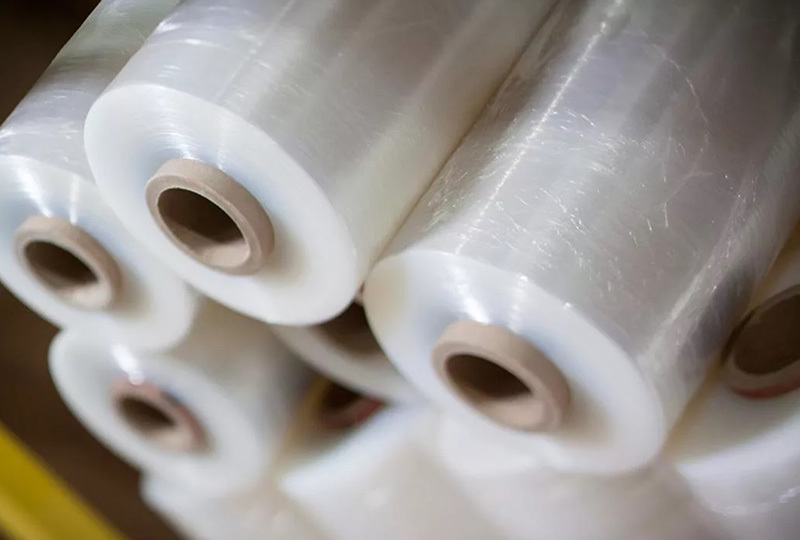
Industrial cling film, often referred to as plastic wrap or stretch film, is a thin, flexible film made from polyvinyl chloride (PVC) or low-density polyethylene (LDPE). Its primary function is to cling tightly to surfaces, making it an ideal choice for wrapping food items. Unlike standard cling film, industrial-grade versions are designed to handle heavier and bulkier items, making them effective for commercial and industrial use.
Understanding the Composition and Features
Industrial cling film is engineered for durability, clarity, and strength. Some of its notable features include:
- **High Stretchability**: Capable of stretching up to three times its original length without breaking.
- **Food-Safe Material**: Compliant with food safety regulations, ensuring it is safe for direct food contact.
- **Resistance to Moisture and Air**: Creates an airtight seal that prevents moisture loss and exposure to air, which can lead to spoilage.
- **Temperature Resistance**: Suitable for use in refrigerators, freezers, and microwaves, making it versatile for various kitchen applications.
Benefits of Using Industrial Cling Film in Your Kitchen
Utilizing industrial cling film in the kitchen offers several benefits that go beyond mere food preservation. Understanding these benefits can help you make an informed decision about incorporating this tool into your culinary routine.
1. Enhanced Food Freshness
One of the most significant advantages of using industrial cling film is its ability to keep food fresh for extended periods. By creating a tight seal around food items, it minimizes air exposure, thereby slowing down the oxidation process. This is particularly beneficial for items like fruits, vegetables, and meats, which can spoil quickly without proper storage.
2. Convenience in Meal Prep
For those who engage in meal prepping, industrial cling film simplifies the process. It allows for quick wrapping and storage of pre-portioned ingredients or complete meals, making it easy to grab and go during busy weekdays.
3. Cost-Effectiveness
Using industrial cling film can result in fewer food waste incidents, ultimately saving you money on groceries. By preserving the freshness of your food, you can enjoy your purchases longer without the risk of spoilage.
4. Versatile Applications
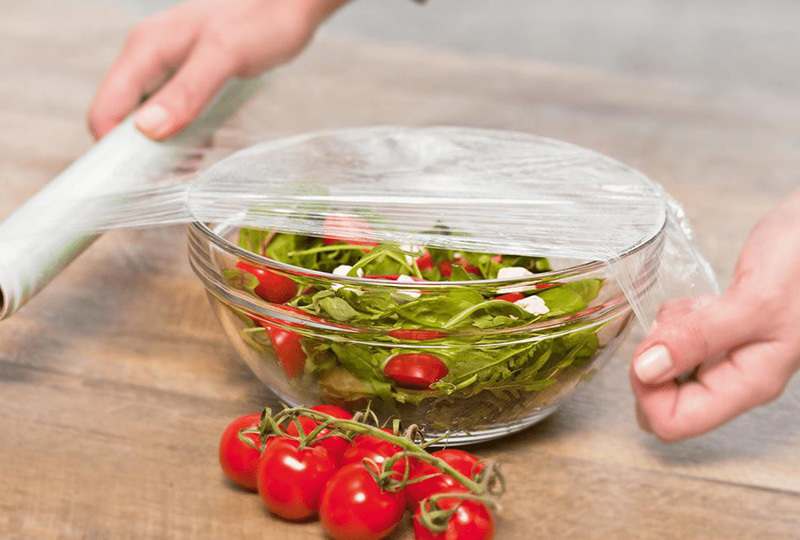
This film's versatility extends beyond just food storage. It can be used for lining baking trays, covering bowls, and even wrapping utensils, making it a multifaceted tool that fits seamlessly into your kitchen activities.
Time-Saving Properties of Cling Film
Time is a precious commodity in the kitchen, and industrial cling film can help you save it in various ways. Here are some of the key time-saving properties of cling film that can enhance your culinary routines.
1. Quick Wrapping and Unwrapping
Industrial cling film is designed for easy application, allowing you to wrap food items quickly. The ability to wrap multiple items at once can cut down on your prep time significantly. Additionally, when it's time to serve or use the wrapped items, the film can be easily removed without leaving residue.
2. Streamlined Clean-Up Process
Using cling film can also contribute to a cleaner workspace. By lining trays or bowls with cling film, you can minimize the mess associated with food preparation. After you're done cooking, simply remove the cling film and dispose of it, leaving behind a clean surface.
3. Pre-Planning Meals
With industrial cling film, you can pre-plan your meals efficiently. By wrapping portioned ingredients or prepared meals in advance, you reduce the time spent on daily cooking. This pre-planning allows for quicker meal assembly during hectic days.
Applications of Cling Film in Food Storage
Industrial cling film excels in various food storage applications, making it an indispensable kitchen companion. Here are some common uses that highlight its effectiveness.
1. Leftover Storage
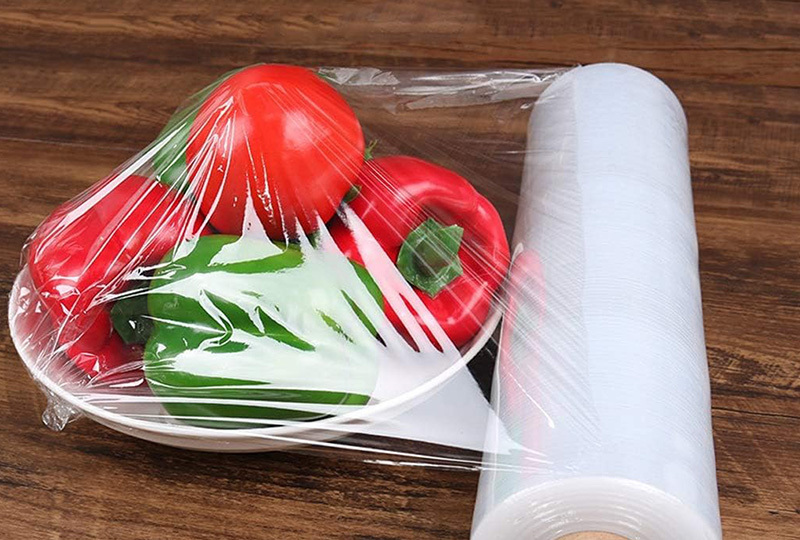
After a meal, wrapping leftovers with cling film ensures they stay fresh in the refrigerator. The airtight seal prevents the absorption of odors from other foods while retaining moisture.
2. Freezing Foods
When it comes to freezing foods, cling film is a great ally. Wrap items tightly to prevent freezer burn, which can ruin the texture and flavor of your meals. This is particularly useful for meats, vegetables, and baked goods.
3. Marinating Ingredients
Industrial cling film is perfect for marinating. By wrapping marinated items, you can ensure that the flavors penetrate the food evenly while minimizing mess and spills.
4. Protecting Food in Transit
For those who prepare meals on the go, cling film becomes essential. It keeps food secure during transport, ensuring that your lunch or snack arrives intact and fresh.
Meal Prep Techniques with Cling Film
Mastering meal prep techniques with industrial cling film can significantly improve your efficiency in the kitchen. Here are some effective methods to consider.
1. Portion Control
Using cling film to wrap individual portions of food can help with diet management and portion control. This practice is especially beneficial for those following specific dietary plans or counting calories.
2. Layering Ingredients
For recipes that require multiple ingredients, consider layering them with cling film. This method allows for easy access to everything you need when it's time to cook.
3. Custom Wrapping
Experimenting with different wrapping techniques can add variety to your meal prep. For example, try wrapping burritos or sandwiches tightly in cling film to keep them fresh and compact.
Environmental Considerations for Using Cling Film
While industrial cling film offers numerous benefits, it's essential to be mindful of environmental considerations. Here are some tips for using cling film responsibly.
1. Choose Biodegradable Options
When selecting cling film, consider opting for biodegradable or compostable materials. These alternatives can minimize the environmental impact associated with plastic waste.
2. Reuse When Possible
If your cling film remains clean after use, consider reusing it for non-food applications. This practice can help reduce waste while still providing the benefits of cling film.
3. Proper Disposal
Ensure that you dispose of cling film responsibly. Many recycling programs do not accept plastic wraps, so look for designated disposal facilities in your area.
Conclusion
Incorporating industrial cling film into your kitchen routine can significantly enhance your cooking experience, providing a multitude of time-saving benefits and practical applications. From keeping food fresh to streamlining meal prep, this versatile tool is invaluable for both home cooks and culinary professionals. As you explore the various ways to utilize cling film, remember to consider environmental aspects and make informed choices that align with your values. By doing so, you can enjoy the efficiency and convenience of industrial cling film while contributing to a more sustainable kitchen.
FAQs
1. Is industrial cling film safe for food storage?
Yes, industrial cling film is made from food-safe materials that comply with health regulations, making it safe for direct contact with food.
2. Can I use cling film in the microwave?
Most industrial cling films are microwave-safe; however, it's essential to check the manufacturer's instructions for specifics.
3. How do I properly dispose of cling film?
Cling film should be disposed of in general waste unless you have access to a recycling program that accepts flexible plastic.
4. Can cling film be reused?
If the cling film is clean and free of food residue, it can be reused for non-food applications.
5. What are some alternatives to cling film?
Alternatives include beeswax wraps, silicone lids, and reusable food storage bags, which can reduce plastic waste.
Related News
What are the characteristics of PVC fresh-keeping film for food preservation

Can PVC plastic wrap be heated in a microwave oven?
What is the difference between PVC cling film and PE cling film
The choice of PVC cling film need to pay attention to what

Professional Cling Film Manufacturer
Address: No.3 Jiefang road (east) Cangzhou Economy Development Zone, Cangzhou City, Hebei province, China.
Please leave your email, we will contact you as soon as possible, thank you!