

Maximize Freshness: The Essential Guide to Cling Film for Packaging
Release time:
Nov 10,2024
Cling film, also known as plastic wrap, is an indispensable tool in any kitchen, particularly when it comes to packaging food items. Its unique properties make it ideal for preserving the freshness of perishable goods, while also offering convenience and versatility. Understanding the benefits and proper usage of cling film for packaging can significantly enhance your food storage practices. One o
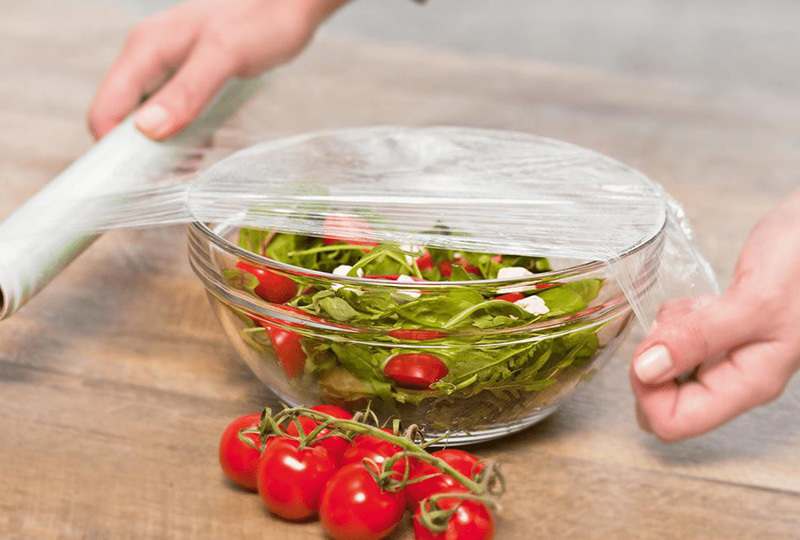
One of the primary advantages of cling film is its ability to create an airtight seal around food items. This helps to keep moisture in and prevent the entry of air, which can lead to spoilage. When properly applied, cling film can effectively reduce the risk of freezer burn when wrapping items for long-term storage. Whether you're packaging leftover meals, wrapping sandwiches for lunch, or covering bowls of chopped vegetables, using cling film can prolong the shelf life of your food.
In addition to its sealing capabilities, cling film is also incredibly flexible and easy to use. It can be torn easily to fit various sizes of items, making it a versatile option for all your packaging needs. This adaptability is particularly beneficial when dealing with irregularly shaped food items or varying portion sizes. Simply stretch and wrap the cling film around your food, ensuring a snug fit for optimal preservation.
Another great feature of cling film is its transparency. This allows you to see the contents without needing to unwrap or open the package, which helps you keep track of your food items and reduces waste. It's easy to identify what you have on hand, ensuring that you use food before it spoils.
When using cling film for packaging, it’s important to consider a few tips for maximizing its effectiveness. Always ensure that the surface of the food is dry before wrapping; moisture can compromise the seal and lead to spoilage. Additionally, avoid using cling film in the microwave or oven, as high temperatures can cause it to melt or warp, potentially contaminating the food.
Sustainability is another consideration in today’s eco-conscious environment. While cling film is generally single-use, opting for recyclable alternatives or looking into biodegradable options can help reduce your carbon footprint. For those who want to maintain food freshness without compromising the environment, it’s worth exploring these eco-friendly choices.
In summary, cling film for packaging is an essential kitchen tool that can help you maintain food freshness, reduce waste, and simplify meal preparation. With its airtight sealing capabilities, flexibility, and transparency, it's a practical solution for any food storage challenge. By understanding the best practices for using cling film, you can ensure that your food remains delicious and safe to eat for longer periods.
Related News
What are the characteristics of PVC fresh-keeping film for food preservation

Can PVC plastic wrap be heated in a microwave oven?
What is the difference between PVC cling film and PE cling film
The choice of PVC cling film need to pay attention to what

Professional Cling Film Manufacturer
Address: No.3 Jiefang road (east) Cangzhou Economy Development Zone, Cangzhou City, Hebei province, China.
Please leave your email, we will contact you as soon as possible, thank you!