

Understanding Degradable Cling Film: A Sustainable Kitchen Essential
Release time:
Dec 06,2024
Degradable cling film, commonly known as biodegradable plastic wrap, represents a significant advancement in kitchen supplies. Unlike traditional cling film, which can persist in the environment for hundreds of years, degradable cling film is designed to break down more quickly under specific conditions, making it a more eco-friendly option for food storage. One of the primary components of degrad
Degradable cling film, commonly known as biodegradable plastic wrap, represents a significant advancement in kitchen supplies. Unlike traditional cling film, which can persist in the environment for hundreds of years, degradable cling film is designed to break down more quickly under specific conditions, making it a more eco-friendly option for food storage.
One of the primary components of degradable cling film is its formulation. Typically, it is made from materials that include starch-based bioplastics or other biodegradable polymers. These materials enable the film to decompose in the presence of microorganisms, which are naturally present in the environment. When disposed of in compost or organic waste facilities, degradable cling film can break down into natural substances, contributing to soil health instead of contributing to landfill pollution.
When using degradable cling film in the kitchen, consumers can enjoy the same convenience and versatility as traditional cling film. It is ideal for wrapping food items, covering dishes, and preserving leftovers. The material is stretchy and adheres well to surfaces, providing an airtight seal that keeps food fresh. However, it is essential to check the specifications, as the effectiveness and conditions for degradation may vary among different products.
The transition to using degradable cling film can significantly impact reducing plastic waste. While traditional plastic wraps can take centuries to decompose, degradable cling film offers a solution for those looking to lessen their environmental footprint. Its ability to break down more rapidly helps mitigate pollution and supports a circular economy where materials are reused rather than discarded into the environment.
Moreover, as consumers become increasingly conscious of their purchasing decisions, manufacturers are responding by innovating products that align with environmental stewardship. By choosing degradable cling film, individuals not only protect their food but also contribute to a larger movement toward sustainable practices in everyday life.
To maximize the benefits of degradable cling film, users should adhere to proper disposal methods. It is advisable to place the used film in composting facilities or designated biodegradable waste bins. This practice ensures the material can decompose effectively and return to nature.
In summary, degradable cling film presents an excellent alternative for those who are mindful of their environmental impact. By understanding its properties, benefits, and proper disposal methods, consumers can make informed choices that align with their values, contributing to a greener planet while enjoying the practical benefits of a flexible kitchen essential.
Related News
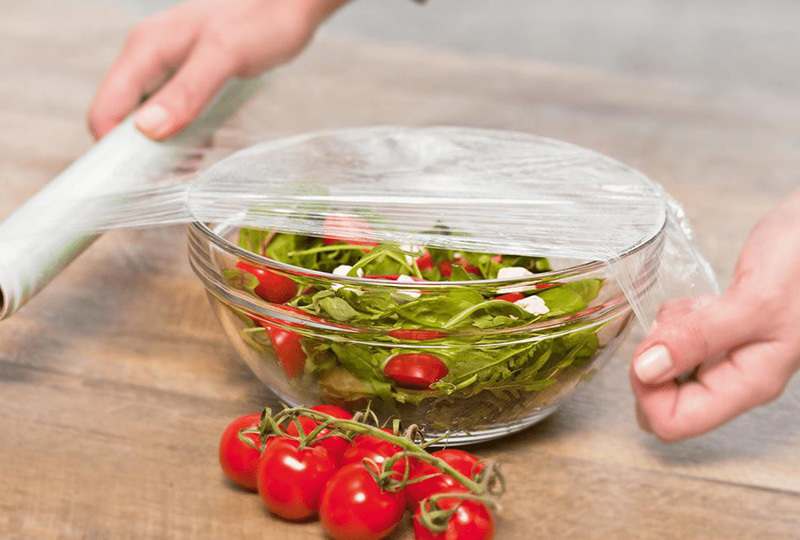
What are the characteristics of PVC fresh-keeping film for food preservation

Can PVC plastic wrap be heated in a microwave oven?
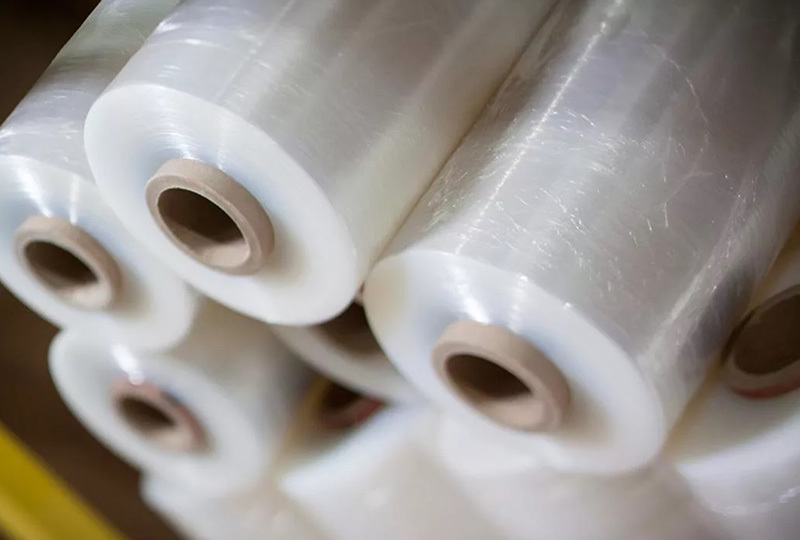
What is the difference between PVC cling film and PE cling film
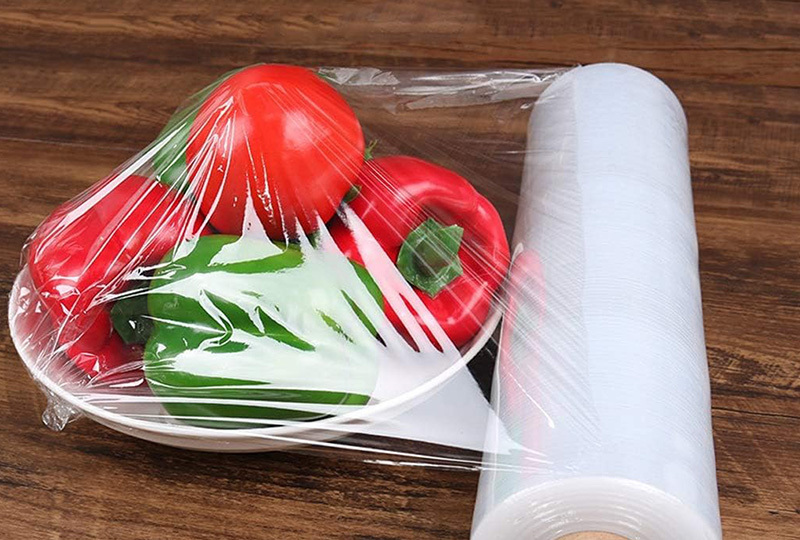
The choice of PVC cling film need to pay attention to what

Professional Cling Film Manufacturer
Address: No.3 Jiefang road (east) Cangzhou Economy Development Zone, Cangzhou City, Hebei province, China.
Please leave your email, we will contact you as soon as possible, thank you!