

Understanding the Benefits and Uses of Cling Film for Packaging
Release time:
Jan 02,2025
Cling film for packaging is a versatile and practical solution for preserving food freshness and preventing contamination. Made from polyvinyl chloride (PVC) or low-density polyethylene (LDPE), cling film offers an excellent barrier against moisture, air, and external contaminants, making it an ideal choice for wrapping food items. One of the primary advantages of cling film is its ability to adhe
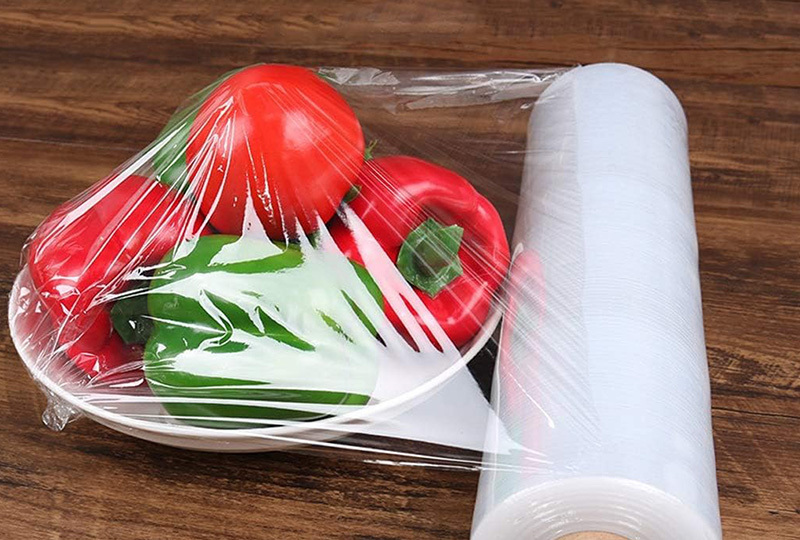
One of the primary advantages of cling film is its ability to adhere to a variety of surfaces. This characteristic allows it to mold closely around food items, creating a tight seal that helps maintain freshness for longer periods. When wrapping fruits, vegetables, or leftovers, the film’s stretchable nature ensures complete coverage, reducing the risk of spoilage and extending shelf life.
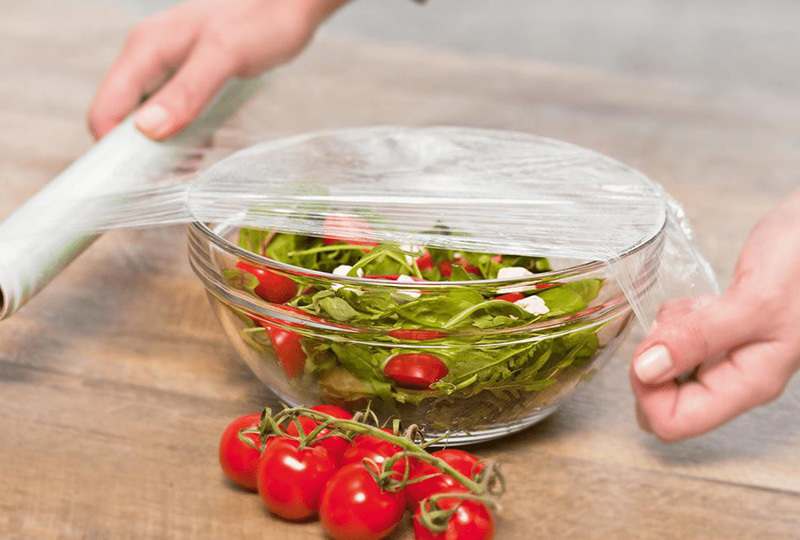
In addition to its protective qualities, cling film is also a valuable asset in food preparation. It can be used to cover bowls, plates, or containers during the marination process, allowing flavors to meld while preventing odors from escaping. The film is also convenient for wrapping sandwiches or snacks, making it a popular choice for meal prep and on-the-go lunches.
For those in the kitchenware industry, it’s essential to highlight the eco-friendly advancements in cling film technology. Many manufacturers are now producing biodegradable options made from renewable resources, appealing to environmentally conscious consumers. This innovation not only helps reduce plastic waste but also meets the growing demand for sustainable packaging solutions.
When using cling film for packaging, there are several tips to enhance its effectiveness. First, ensure that the surface of the item being wrapped is clean and dry to promote better adhesion. Additionally, it’s essential to avoid over-stretching the film, as this can lead to tears and reduce its protective capabilities. For optimal results, consider overlapping the edges of the film to create a secure seal.
Moreover, cling film is not just limited to food packaging; it can be utilized in various creative ways. For instance, it can be employed to cover dishes in the microwave, preventing splatters and keeping the appliance clean. It can also be used to protect surfaces during painting or crafting projects, showcasing its versatility beyond the kitchen.
In summary, cling film for packaging is a crucial tool in food preservation and preparation. Its ability to create a tight seal, along with its versatility and innovative eco-friendly options, make it a must-have in any kitchen. By understanding the benefits and proper usage of cling film, consumers can make informed decisions that enhance their food storage practices and contribute to a more sustainable environment.
Related News
What are the characteristics of PVC fresh-keeping film for food preservation

Can PVC plastic wrap be heated in a microwave oven?
What is the difference between PVC cling film and PE cling film
The choice of PVC cling film need to pay attention to what

Professional Cling Film Manufacturer
Address: No.3 Jiefang road (east) Cangzhou Economy Development Zone, Cangzhou City, Hebei province, China.
Please leave your email, we will contact you as soon as possible, thank you!