

Innovative Cling Film Techniques for Chefs: Elevate Your Culinary Skills
Release time:
Jan 05,2025
Innovative Cling Film Techniques for Chefs Table of Contents 1. Introduction to Cling Film and Its Culinary Applications 2. Benefits of Using Cling Film in the Kitchen 3. Innovative Cling Film Techniques for Food Preservation 4. Creative Presentation Ideas with Cling Film 5. Sous Vide Cooking with Cling Film: A Game Changer 6. Safety Tips for Using Cling Film in Your Kitch
Innovative Cling Film Techniques for Chefs
Table of Contents
- 1. Introduction to Cling Film and Its Culinary Applications
- 2. Benefits of Using Cling Film in the Kitchen
- 3. Innovative Cling Film Techniques for Food Preservation
- 4. Creative Presentation Ideas with Cling Film
- 5. Sous Vide Cooking with Cling Film: A Game Changer
- 6. Safety Tips for Using Cling Film in Your Kitchen
- 7. Sustainable Practices: Eco-Friendly Cling Film Alternatives
- 8. FAQs About Cling Film Techniques for Chefs
- 9. Conclusion: Mastering Cling Film Techniques
1. Introduction to Cling Film and Its Culinary Applications
Cling film, also known as plastic wrap, has long been a staple in kitchens around the world. Its primary purpose of preserving food is well-known, but the potential of cling film extends far beyond simple coverage. As chefs seek innovative ways to improve their culinary techniques, cling film has emerged as a versatile tool that can enhance flavors, textures, and presentations. In this article, we will explore various **innovative cling film techniques** that every chef should master.
2. Benefits of Using Cling Film in the Kitchen
Utilizing cling film in the kitchen offers a multitude of benefits that can significantly improve the culinary process. Here are some key advantages:
Enhancing Freshness and Flavor
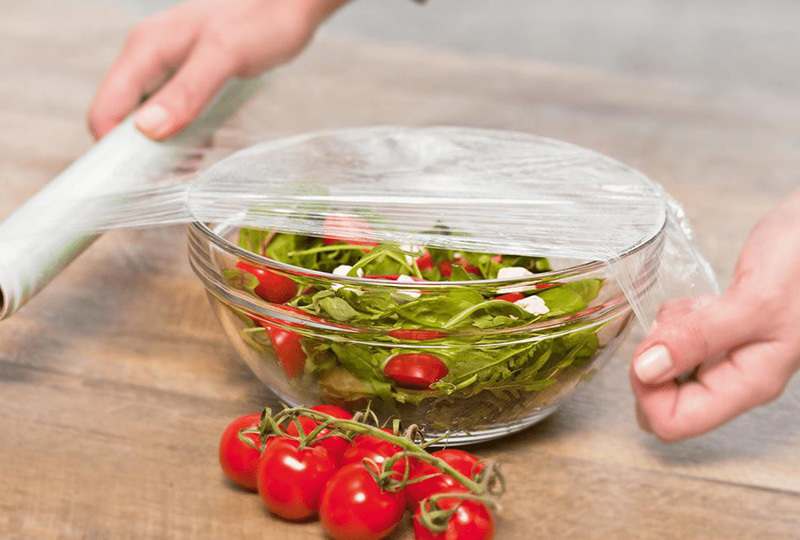
Cling film effectively traps moisture and prevents air exposure. This means that ingredients stay fresh longer, preserving their natural flavors. For chefs, the ability to maintain the integrity of ingredients can lead to improved dish quality.
Versatility in Food Preparation
The adaptability of cling film allows chefs to use it in various cooking methods, from wrapping ingredients for marination to creating molds for presentation. This versatility adds a creative dimension to culinary practices.
Easy Cleanup and Storage
Using cling film not only simplifies the preparation process but also makes cleanup a breeze. Wrapping up leftovers or prepped ingredients ensures that your workspace remains organized and free from spills.
3. Innovative Cling Film Techniques for Food Preservation
Food preservation is one of the primary uses of cling film. However, chefs can implement innovative techniques to maximize its effectiveness.
Vacuum-Sealing with Cling Film
While traditional vacuum sealers are effective, cling film can provide a quick alternative. Wrap your ingredients tightly in cling film to create a makeshift vacuum seal. This technique is perfect for marinating meats or preserving delicate fruits and vegetables.
Preventing Oxidation
Oxidation can lead to undesirable changes in flavor and color. Cling film can be used to wrap cut fruits and vegetables tightly, minimizing their exposure to oxygen. For instance, wrapping avocado halves can keep them fresh and vibrant for extended periods.
Layering Flavors
By wrapping herbs and spices in cling film, chefs can create flavor-infused oils or butters. Simply blend your choice of herbs with oil, wrap the mixture in cling film, and let it infuse in the refrigerator for a day or two. This method allows for a concentrated flavor profile that elevates any dish.
4. Creative Presentation Ideas with Cling Film
The visual appeal of a dish is critical in culinary arts, and cling film can play a significant role in enhancing presentation.
Creating Edible Bowls
One innovative technique is to form edible bowls using cling film. Melt chocolate or sugar, shape it using cling film, and allow it to cool. Once set, you can remove the cling film to reveal an elegant and edible serving vessel for desserts or appetizers.
Layering Ingredients
Cling film can be used to layer different ingredients creatively. For example, wrapping layers of pasta, cheese, and sauce in cling film can create stunning lasagna rolls. When sliced, these rolls reveal beautiful cross-sections that impress diners.
Plating with Precision
Using cling film as a barrier can help chefs plate sauces and purees with precision. By creating a piping bag using cling film, chefs can easily control the flow and presentation of sauces on the plate, enhancing the overall aesthetic.
5. Sous Vide Cooking with Cling Film: A Game Changer
Sous vide cooking has gained popularity for its ability to produce perfectly cooked meals. Cling film can serve as an effective tool in this technique.
Wrapping Ingredients for Sous Vide
Instead of investing in expensive vacuum-sealed bags, chefs can use cling film to wrap their ingredients for sous vide cooking. Ensure the wrapping is tight, and place the wrapped ingredients in a water bath. The cling film will keep the flavors intact while maintaining the desired texture.
Infusing Flavors During Sous Vide
For an extra layer of flavor, consider adding herbs, spices, or aromatics to the cling film-wrapped ingredients. As they cook sous vide, the flavors will meld beautifully, resulting in dishes that burst with flavor.
6. Safety Tips for Using Cling Film in Your Kitchen
While cling film can be an invaluable tool, it's essential to use it safely.
Choose Food-Safe Cling Film
Always opt for cling film that is labeled as food-safe to avoid any chemical leaching into your food. This is especially important when using cling film for cooking applications.
Avoid High Temperatures
Cling film is not suitable for high-heat cooking methods, such as broiling or baking. Always check the manufacturer's instructions to ensure safe usage.
Proper Disposal
Be mindful of environmental impact when disposing of cling film. Whenever possible, recycle or opt for eco-friendly alternatives.
7. Sustainable Practices: Eco-Friendly Cling Film Alternatives
As environmental concerns grow, many chefs seek sustainable alternatives to traditional cling film.
Beeswax Wraps
Beeswax wraps are a popular eco-friendly alternative for food storage. They can be reused multiple times and provide a breathable option for food preservation, making them a great choice for chefs looking to reduce plastic usage.
Silicone Food Covers
Silicone food covers are another sustainable option that provides an airtight seal without the waste of cling film. These reusable covers come in various sizes and can fit over bowls, dishes, and containers.
Bamboo Wraps
Bamboo wraps are an emerging alternative that boasts biodegradable qualities. They can be used for wrapping foods and are a sustainable choice for environmentally-conscious chefs.
8. FAQs About Cling Film Techniques for Chefs
1. Can I use cling film for microwaving food?
Yes, but ensure that the cling film is labeled as microwave-safe. Avoid letting the film touch the food directly to prevent melting.
2. How do I store cling film properly?
Keep the cling film in a cool, dry place, away from direct sunlight. Ensure it is tightly rolled to prevent it from sticking to itself.
3. Can cling film be used for sous vide cooking?
Yes, cling film can be used for sous vide cooking by wrapping ingredients tightly to keep flavors intact and prevent water from entering.
4. What are the downsides of using cling film?
One downside is that cling film is single-use and can contribute to plastic waste, so consider sustainable alternatives for regular use.
5. How do I prevent cling film from sticking to itself?
To minimize sticking, pull out the desired length of cling film, and let it settle for a few seconds before using it. You can also use a little bit of oil on your hands to prevent sticking.
9. Conclusion: Mastering Cling Film Techniques
Incorporating innovative cling film techniques into your culinary repertoire can significantly enhance your cooking experience. From preserving freshness to elevating presentation, the applications are vast and diverse. By employing these methods, chefs can create stunning dishes while maintaining the quality and flavor of their ingredients. Embrace these techniques, and watch as your culinary creations reach new heights, impressing diners and elevating your kitchen skills.
Related News
What are the characteristics of PVC fresh-keeping film for food preservation

Can PVC plastic wrap be heated in a microwave oven?
What is the difference between PVC cling film and PE cling film
The choice of PVC cling film need to pay attention to what

Professional Cling Film Manufacturer
Address: No.3 Jiefang road (east) Cangzhou Economy Development Zone, Cangzhou City, Hebei province, China.
Please leave your email, we will contact you as soon as possible, thank you!