

Understanding PVC Cling Film: Your Essential Kitchen Companion
Release time:
Jan 11,2025
--- PVC cling film is a popular choice for food storage in kitchens around the world. Its primary function is to create a tight seal around food items, helping to maintain freshness and prevent contamination. Made from polyvinyl chloride (PVC), cling film is designed to cling to various surfaces, ensuring an airtight cover that minimizes exposure to air and moisture. One of the most significant be
PVC cling film is a popular choice for food storage in kitchens around the world. Its primary function is to create a tight seal around food items, helping to maintain freshness and prevent contamination. Made from polyvinyl chloride (PVC), cling film is designed to cling to various surfaces, ensuring an airtight cover that minimizes exposure to air and moisture.
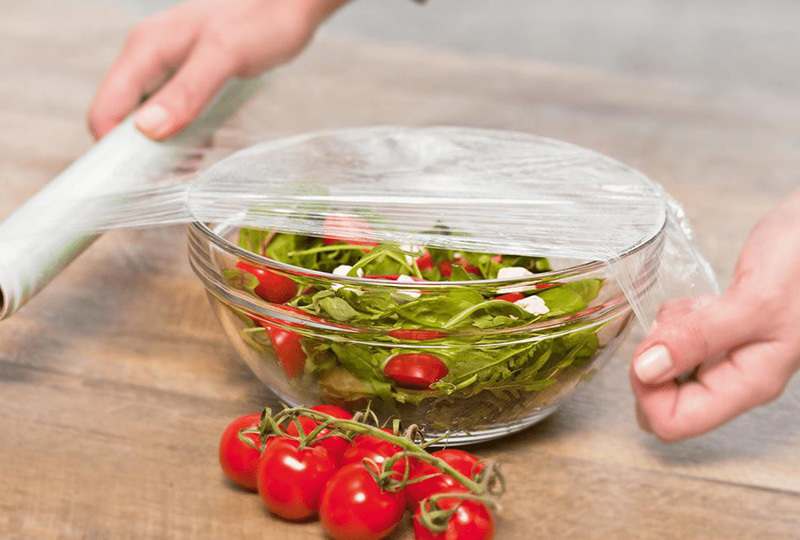
One of the most significant benefits of using PVC cling film is its ability to extend the shelf life of food. By wrapping fruits, vegetables, leftovers, and other perishable items, you can reduce spoilage and waste. This is especially useful for those who prepare meals in advance or want to keep their kitchen organized. The cling film acts as a protective barrier, preventing the absorption of odors and flavors from other foods stored nearby.
In addition to food storage, PVC cling film has various other culinary applications. For instance, it can be used to cover bowls of dough, allowing them to rise without drying out. It’s also handy for wrapping sandwiches or snacks for lunch, providing a convenient and mess-free option for on-the-go meals. Its transparent nature allows you to see the contents easily, making it a practical choice for meal prep and organization.
While PVC cling film is widely used and appreciated for its convenience, it's essential to consider safety and proper usage. When using cling film in the microwave, ensure that it is labeled as microwave-safe. Not all cling films can withstand high temperatures, and using the wrong type can lead to melting or the leaching of chemicals into food. Therefore, always check the packaging for specific instructions regarding heat exposure.
Another important aspect to consider is the environmental impact of PVC cling film. While it is recyclable in some areas, many regions do not have the facilities to process it. As a more sustainable alternative, consider using reusable silicone wraps or beeswax wraps, which can serve a similar purpose without generating waste.
In conclusion, PVC cling film is an indispensable tool for keeping food fresh and secure in your kitchen. Its versatility, ease of use, and effectiveness make it a staple for many households. However, it’s crucial to use it safely and be mindful of its environmental implications. By understanding how to use PVC cling film correctly and exploring alternative options, you can enhance your food storage practices while contributing to a more sustainable future.
Related News
What are the characteristics of PVC fresh-keeping film for food preservation

Can PVC plastic wrap be heated in a microwave oven?
What is the difference between PVC cling film and PE cling film
The choice of PVC cling film need to pay attention to what

Professional Cling Film Manufacturer
Address: No.3 Jiefang road (east) Cangzhou Economy Development Zone, Cangzhou City, Hebei province, China.
Please leave your email, we will contact you as soon as possible, thank you!