

PVC Cling Film FAQs: Comprehensive Guide to Understanding and Using Cling Wrap
Release time:
Jan 14,2025
PVC Cling Film FAQs: Comprehensive Guide to Understanding and Using Cling Wrap Table of Contents What is PVC Cling Film? Benefits of Using PVC Cling Film How to Use PVC Cling Film Correctly Safety Concerns with PVC Cling Film Alternatives to PVC Cling Film Environmental Impact of PVC Cling Film Frequently Asked Questions about PVC Cling Film Conclusion What is PVC
PVC Cling Film FAQs: Comprehensive Guide to Understanding and Using Cling Wrap
Table of Contents
- What is PVC Cling Film?
- Benefits of Using PVC Cling Film
- How to Use PVC Cling Film Correctly
- Safety Concerns with PVC Cling Film
- Alternatives to PVC Cling Film
- Environmental Impact of PVC Cling Film
- Frequently Asked Questions about PVC Cling Film
- Conclusion
What is PVC Cling Film?
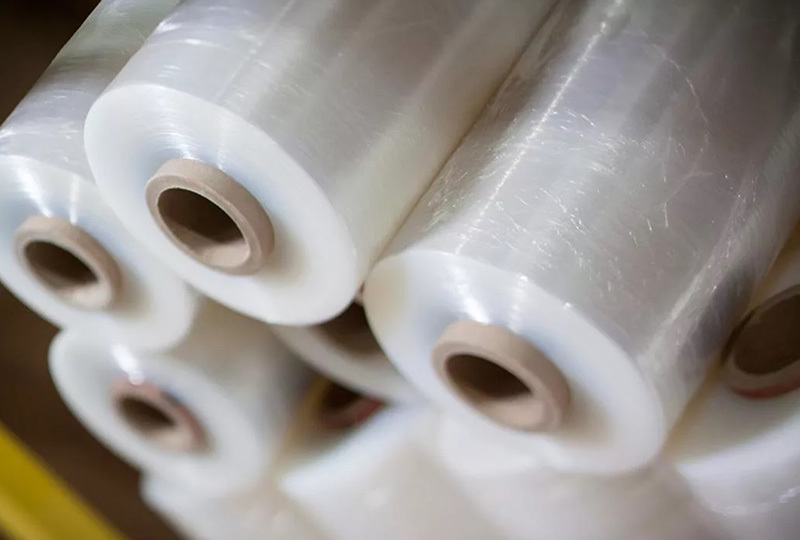
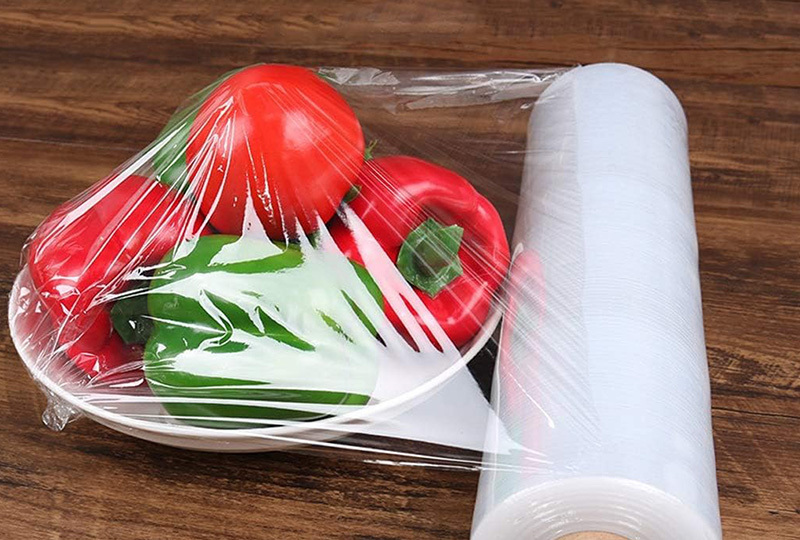
PVC cling film, commonly known as plastic wrap or cling wrap, is a thin film made from polyvinyl chloride (PVC). It is designed to cling tightly to food containers, dishes, and other surfaces, creating a seal that helps to keep food fresh. The flexibility and stretchability of PVC allow it to fit snugly around various shapes and sizes, making it an essential tool in every kitchen.
The Composition of PVC Cling Film
The manufacturing process of PVC cling film involves several polymers and additives that enhance its cling properties. This composition allows it to maintain its transparency, stretchability, and durability, making it a preferred choice for food storage.
Common Uses of PVC Cling Film
PVC cling film is versatile and is used for various purposes, including:
- **Wrapping leftovers**: It helps keep food fresh by preventing air exposure.
- **Marinating meats**: Using cling film can facilitate speedy marination.
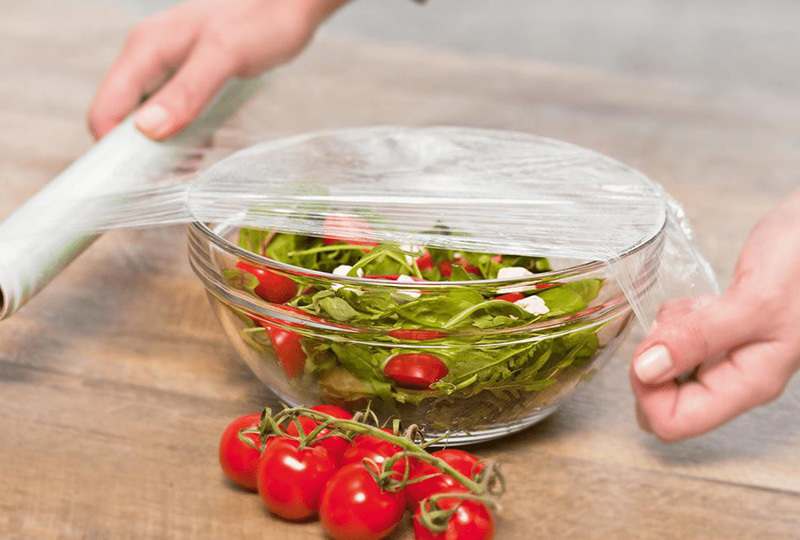
- **Covering bowls**: It is effective in preventing contamination and preserving moisture.
- **Packing sandwiches**: It keeps sandwiches fresh and secure.
Benefits of Using PVC Cling Film
Utilizing PVC cling film in food storage offers numerous advantages that make it an indispensable item in modern kitchens.
1. Food Preservation
The primary function of PVC cling film is to preserve food. It creates a barrier against external elements, reducing spoilage and extending the freshness of various food items.
2. Cost-Effective
Compared to other food storage solutions, PVC cling film is relatively inexpensive. This affordability makes it accessible to households of all budgets.
3. Easy to Use
Using cling film is straightforward, requiring no special tools or equipment. Simply cut a piece, stretch it over the item, and it adheres seamlessly.
4. Versatile Applications
Beyond food storage, PVC cling film can be used creatively for arts and crafts, as a protective cover for paint projects, or even for wrapping delicate items during moving.
How to Use PVC Cling Film Correctly
To maximize the effectiveness of PVC cling film, it's essential to know how to use it properly.
Step-by-Step Guide to Using Cling Film
1. **Clean the Surface**: Ensure that the surface you are covering is clean and dry for optimal adhesion.
2. **Cut the Desired Length**: Unroll the cling film and cut a piece that is longer than the item you intend to cover.
3. **Stretch and Seal**: Place the cling film over the food or container, stretching it gently. Ensure that it clings tightly around the edges to create a seal.
4. **Store Properly**: Place the wrapped item in the refrigerator or freezer as needed.
Tips for Effective Use
- Warm the cling film slightly in your hands before use to enhance its stretchiness.
- Avoid using cling film in the microwave unless specified, as it may not be microwave-safe.
Safety Concerns with PVC Cling Film
While PVC cling film is widely used, there are essential safety concerns that consumers should be aware of.
1. Chemical Leaching
Concerns have been raised about the potential for chemicals in PVC cling film to leach into food, especially when exposed to heat. It’s advisable to avoid using PVC in the microwave or with hot food.
2. Not Biodegradable
PVC cling film is not biodegradable, leading to environmental concerns about its disposal and impact on waste management systems.
3. Allergies and Sensitivities
Some individuals may have sensitivities or allergies to PVC. If you notice any adverse reactions while using cling film, discontinue use immediately.
Alternatives to PVC Cling Film
For those seeking alternatives to PVC cling film, several options exist that can provide similar benefits without the associated concerns.
1. Beeswax Wraps
Beeswax wraps are eco-friendly alternatives made from organic cotton infused with beeswax. They can be reused and are biodegradable, making them a sustainable choice for food storage.
2. Silicone Food Covers
Silicone food covers are reusable and provide an airtight seal. They come in various sizes and can withstand high temperatures, making them suitable for both hot and cold foods.
3. Glass or Plastic Containers
Using airtight glass or plastic containers can prevent food spoilage without the need for cling film, thus reducing plastic waste.
Environmental Impact of PVC Cling Film
The environmental implications of PVC cling film are significant and warrant consideration.
1. Production and Waste
The production of PVC has a considerable carbon footprint, and once discarded, cling film contributes to landfill waste. Efforts to recycle PVC cling film can be limited due to contamination from food residues.
2. Ocean Pollution
Single-use plastics, including PVC cling film, are a crucial contributor to ocean pollution. Wildlife often consumes plastic debris, which can lead to severe consequences for marine ecosystems.
Frequently Asked Questions about PVC Cling Film
Here are some common questions and answers regarding PVC cling film that can help you understand its use better:
1. Is PVC cling film safe for wrapping food?
Yes, PVC cling film is typically considered safe for wrapping food, provided it is used correctly and not exposed to high temperatures.
2. Can I use PVC cling film in the microwave?
It is not recommended to use PVC cling film in the microwave, as it can melt or leach chemicals into food.
3. How can I dispose of PVC cling film responsibly?
PVC cling film should be disposed of in general waste, as it is not biodegradable. Some recycling programs may accept it if clean and free of food residues.
4. What are the signs that cling film has gone bad?
If the cling film feels brittle, has a strange odor, or has become discolored, it is best to discard it, even if it hasn’t been used.
5. How can I prevent cling film from sticking to itself?
To prevent cling film from sticking to itself, try using a little bit of tension while pulling it from the roll or refrigerating it slightly before use.
Conclusion
PVC cling film serves as a practical solution in food storage, offering convenience and preservation benefits. However, understanding its uses, benefits, and concerns regarding safety and environmental impact is crucial for responsible usage. By exploring alternatives and practicing mindfulness in our consumption, we can continue to enjoy the benefits of cling film while minimizing our ecological footprint. Remember to consider the best practices for using PVC cling film to enhance your food storage experience while keeping safety and sustainability in mind.
Related News
What are the characteristics of PVC fresh-keeping film for food preservation

Can PVC plastic wrap be heated in a microwave oven?
What is the difference between PVC cling film and PE cling film
The choice of PVC cling film need to pay attention to what

Professional Cling Film Manufacturer
Address: No.3 Jiefang road (east) Cangzhou Economy Development Zone, Cangzhou City, Hebei province, China.
Please leave your email, we will contact you as soon as possible, thank you!