

The Benefits of Antibacterial Plastic Cling Film in Food Safety and Preservation
Release time:
Jan 26,2025
In today’s culinary landscape, ensuring food safety while maintaining freshness is paramount. One emerging solution in the domain of kitchen products is antibacterial plastic cling film. This innovative product not only helps keep food fresh but also integrates antibacterial properties that inhibit the growth of harmful bacteria. Understanding how this type of cling film works can greatly benefit
Antibacterial plastic cling film is typically treated with substances that have demonstrated the ability to resist bacterial growth. These agents can be naturally derived or synthetic, but their primary function is to create an inhospitable environment for bacteria, thereby significantly reducing the risk of foodborne illnesses. This is particularly important for raw meats, poultry, and produce, which are often susceptible to contamination. By wrapping these items in antibacterial cling film, consumers can enjoy peace of mind knowing that they are taking an extra step to protect their health.
Research indicates that the use of antibacterial materials in food packaging can reduce the risk of cross-contamination. Traditional cling films can serve as a breeding ground for bacteria if not used properly. However, antibacterial variants have been engineered to provide an additional layer of defense. This is achieved through the release of antimicrobial agents that disrupt the cell membranes of bacteria, preventing their proliferation.
Another significant advantage of antibacterial plastic cling film is its versatility. This product can be used for a variety of food items, from leftovers to fresh produce. Whether you are storing a half-cut watermelon or marinating chicken breasts, the antibacterial properties help maintain freshness and extend the shelf life of these items. In a world where food waste is a critical issue, utilizing such innovative solutions can contribute to reducing waste by keeping food viable for longer periods.
It’s also worth noting that while the antibacterial treatments do provide enhanced protection, they are not a substitute for proper food handling practices. Consumers should still wash their hands, clean surfaces regularly, and store food at the correct temperatures. Antibacterial plastic cling film is an additional tool in a comprehensive approach to food safety.
In summary, antibacterial plastic cling film is a valuable advancement in kitchen products that addresses both food preservation and safety. Its ability to inhibit bacterial growth makes it an excellent choice for those looking to enhance their food storage practices. By integrating this product into daily routines, consumers can not only ensure the longevity of their food but also promote a healthier kitchen environment. As awareness of food safety increases, embracing such innovations can yield significant benefits for both consumers and the food industry as a whole.
Related News
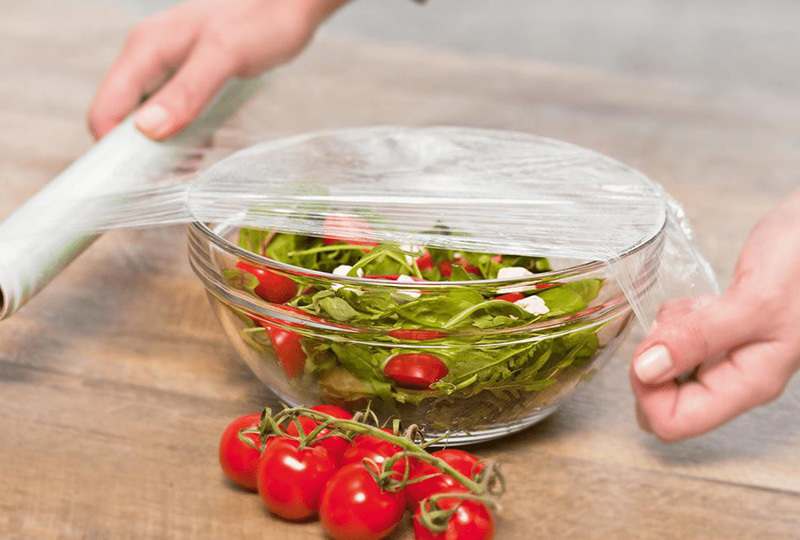
What are the characteristics of PVC fresh-keeping film for food preservation

Can PVC plastic wrap be heated in a microwave oven?
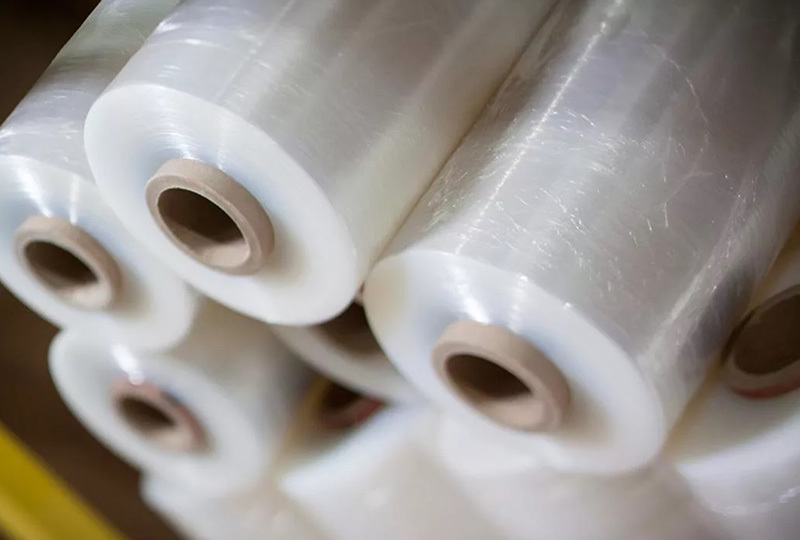
What is the difference between PVC cling film and PE cling film
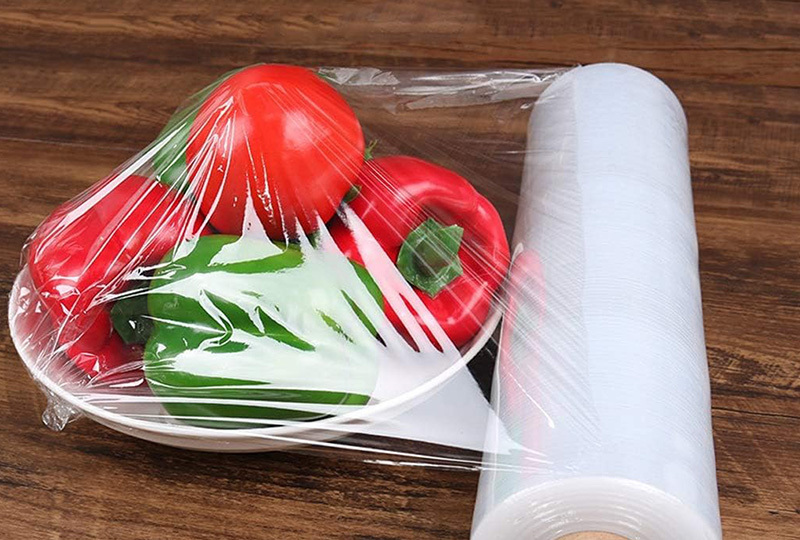
The choice of PVC cling film need to pay attention to what

Professional Cling Film Manufacturer
Address: No.3 Jiefang road (east) Cangzhou Economy Development Zone, Cangzhou City, Hebei province, China.
Please leave your email, we will contact you as soon as possible, thank you!