

The Versatile Benefits of Cling Film for Packaging in the Kitchen
Release time:
Feb 01,2025
Cling film, often referred to as plastic wrap or food wrap, plays a vital role in modern kitchen practices, particularly in the packaging of food items. This transparent film is composed of polyethylene and is designed to mold itself tightly around various surfaces, providing an effective barrier against moisture, air, and contaminants. Understanding its applications and benefits can significantly
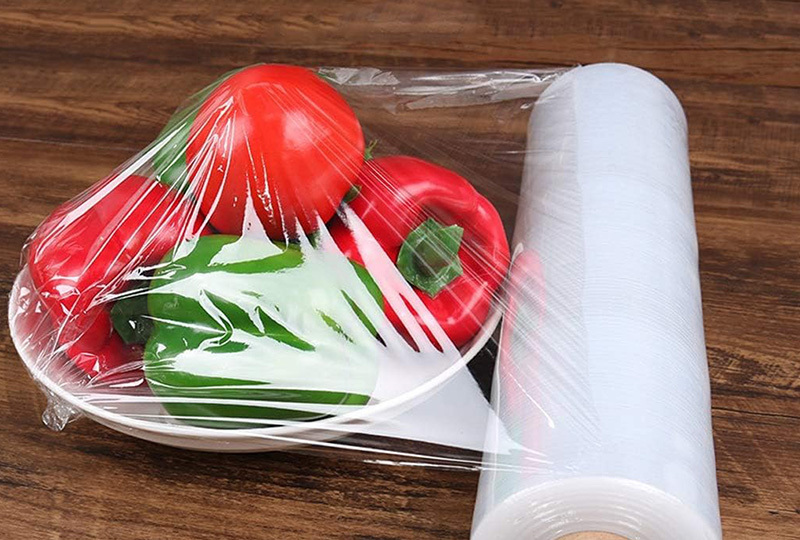
One of the primary advantages of cling film for packaging is its exceptional ability to create an airtight seal. This characteristic is crucial for preserving the freshness of food items. By wrapping fruits, vegetables, and leftovers with cling film, you can extend their shelf life considerably. The film prevents oxidation, which is a common cause of spoilage, particularly in produce. This property is especially beneficial for kitchens that prioritize food safety and waste reduction.
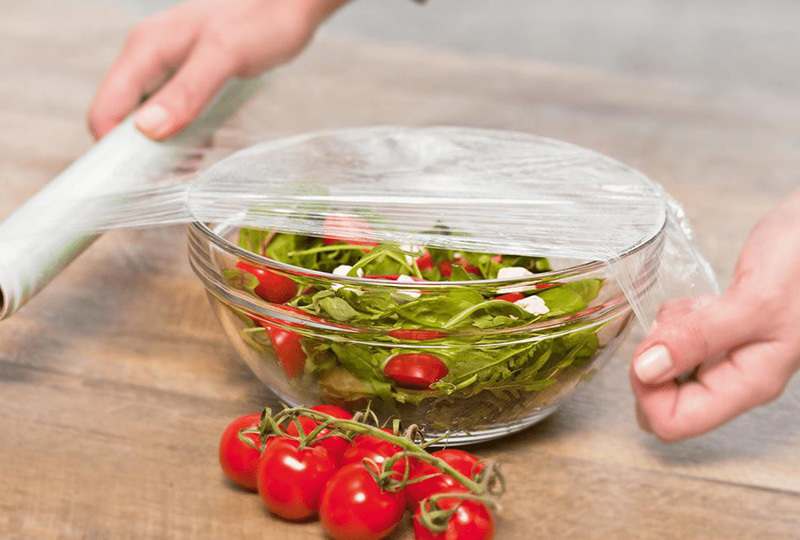
In addition to its sealing capabilities, cling film for packaging is incredibly versatile. It can be used to cover bowls, wrap sandwiches, or protect baked goods. The ease of use is another significant benefit; simply pull off the desired length, stretch it over the item, and the cling film will adhere without the need for additional adhesives. This feature makes it an excellent choice for busy kitchens where time-saving solutions are essential.
Moreover, cling film can be utilized in food preparation as well. Chefs often use it to marinate meats or prepare dough. By wrapping marinated items in cling film, the flavors penetrate more deeply, enhancing the overall taste. When it comes to dough, covering it with cling film helps retain moisture, preventing it from drying out during the resting period.
It’s also important to mention the potential for cling film to be used in unconventional ways. Beyond food packaging, cling film can serve as a protective layer for delicate items during storage or transportation. It can be wrapped around fragile kitchen tools or even used to cover items in transit, ensuring they remain undamaged.
When considering cling film for packaging, it is essential to choose the right thickness and material based on your specific needs. Different brands offer various options, and while details about specific products may vary, understanding the core properties of cling film can help you make informed decisions.
In conclusion, cling film for packaging is an invaluable tool in any kitchen. Its ability to seal tightly, versatility in applications, and ease of use make it a staple for food preservation and preparation. By integrating cling film into your kitchen practices, you can enhance food safety, minimize waste, and streamline your culinary processes. Embrace this simple yet effective packaging solution and transform your kitchen experience today.
Related News
What are the characteristics of PVC fresh-keeping film for food preservation

Can PVC plastic wrap be heated in a microwave oven?
What is the difference between PVC cling film and PE cling film
The choice of PVC cling film need to pay attention to what

Professional Cling Film Manufacturer
Address: No.3 Jiefang road (east) Cangzhou Economy Development Zone, Cangzhou City, Hebei province, China.
Please leave your email, we will contact you as soon as possible, thank you!