

How Cling Film Can Elevate Your Food Presentation for Every Occasion
Release time:
Feb 04,2025
How Cling Film Can Elevate Your Food Presentation for Every Occasion Table of Contents 1. Introduction to Cling Film in Culinary Arts 2. The Aesthetic Benefits of Using Cling Film 3. How Cling Film Helps Preserve Freshness and Quality 4. Creative Techniques: Wrapping and Layering for Stunning Presentations 5. Practical Uses of Cling Film in Food Preparation 6. Tips for Choosing the Best Cling Film
How Cling Film Can Elevate Your Food Presentation for Every Occasion
Table of Contents
1. Introduction to Cling Film in Culinary Arts
2. The Aesthetic Benefits of Using Cling Film
3. How Cling Film Helps Preserve Freshness and Quality
4. Creative Techniques: Wrapping and Layering for Stunning Presentations
5. Practical Uses of Cling Film in Food Preparation
6. Tips for Choosing the Best Cling Film
7. Common Myths and Misconceptions About Cling Film
8. Frequently Asked Questions (FAQs)
9. Conclusion
1. Introduction to Cling Film in Culinary Arts
Cling film, also known as plastic wrap or food wrap, has become an indispensable tool in kitchens around the world. While it is often associated with food storage, its potential in enhancing food presentation is frequently overlooked. This article delves into how cling film can help elevate the visual appeal of your dishes, making them not only appetizing but also Instagram-worthy.
2. The Aesthetic Benefits of Using Cling Film
Utilizing cling film in food presentation offers several aesthetic advantages. When properly applied, cling film can create a sleek and polished look that enhances the overall dining experience. This transparent wrap allows the natural colors and textures of the food to shine through, which can make your dishes more inviting.
Highlighting Colors and Textures
The optical clarity of cling film showcases vibrant ingredients, whether it’s the vivid hues of fresh fruits and vegetables or the glossy finish of a well-prepared sauce. This enhances the visual appeal and encourages diners to indulge.
Creating Layers of Presentation
Cling film can also be used to layer ingredients artistically. This technique not only elevates the dish's visual appeal but also serves a practical purpose of keeping the components in place.
3. How Cling Film Helps Preserve Freshness and Quality
Beyond aesthetics, cling film plays a crucial role in preserving food quality. By effectively sealing in moisture and preventing air exposure, cling film helps maintain the freshness of ingredients and prepared dishes.
Preventing Oxidation
Oxygen exposure can lead to oxidation, which affects the flavor and color of food. Cling film acts as a barrier, keeping your food looking vibrant and tasting fresh for longer periods.
Retaining Moisture
Moisture loss can lead to dry and unappealing food. Cling film helps lock in moisture, ensuring that your culinary creations remain juicy and delectable.
4. Creative Techniques: Wrapping and Layering for Stunning Presentations
Mastering the art of wrapping and layering with cling film can transform your food presentation. Here are some creative techniques to consider:
1. Individual Portions
For events or gatherings, consider wrapping individual portions of food in cling film. This not only enhances presentation but also makes serving easy and sanitary.
2. Decorative Wrapping for Gifts
Use cling film to create elegant wraps for food gifts, such as homemade treats or baked goods. Add a ribbon to elevate the presentation further.
3. Layered Salads or Parfaits
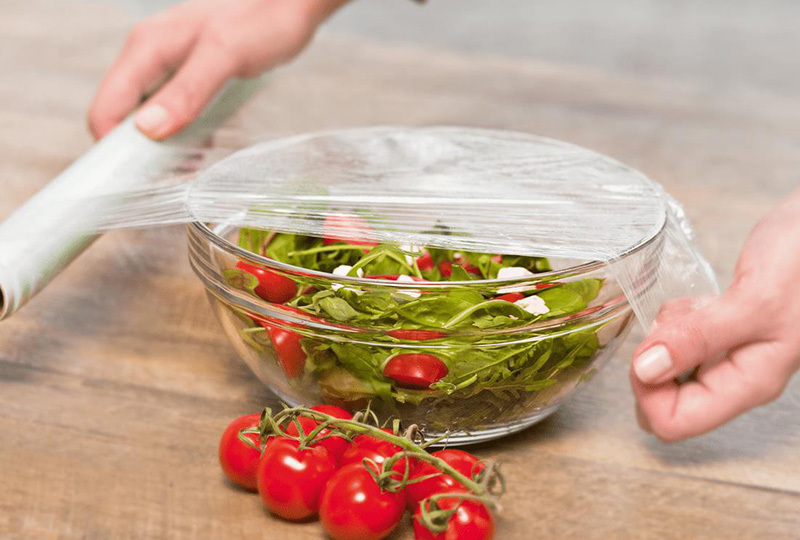
By layering different ingredients in a glass container and securing it with cling film, you can create visually appealing salads or parfaits that showcase each ingredient.
5. Practical Uses of Cling Film in Food Preparation
In addition to presentation, cling film offers several practical uses during food preparation.
1. Marinating Ingredients
Cover marinating meats or vegetables with cling film to enhance flavor absorption. This method also reduces mess and keeps your refrigerator clean.
2. Preventing Spills While Mixing
When mixing batters or dressings, covering the bowl with cling film can prevent splatters, making cleanup quicker and easier.
3. Wrapping Dough for Resting
Cling film is perfect for wrapping dough while it rests, preventing it from drying out and ensuring a better texture in the final product.
6. Tips for Choosing the Best Cling Film
Not all cling films are created equal. Here are some tips for selecting the right one for your needs:
1. Thickness Matters
Opt for thicker cling film, which tends to adhere better and provide a stronger seal.
2. BPA-Free Options
Choose BPA-free cling films to ensure safety, especially when in contact with food.
3. Easy-to-Use Dispensers
Look for cling films that come with user-friendly dispensers for easier cutting and application.
7. Common Myths and Misconceptions About Cling Film
There are several myths surrounding cling film that can lead to confusion. Let's debunk a few:
1. Cling Film is Not Safe for Food Contact
Modern cling films are designed to be safe for food contact, as long as they are used according to the manufacturer's guidelines.
2. Cling Film is Only for Storage
While commonly used for storing food, cling film has versatile applications in food preparation and presentation.
3. All Cling Films are the Same
Cling films vary significantly in quality and effectiveness, so it’s important to choose one that meets your needs.
8. Frequently Asked Questions (FAQs)
1. Can I use cling film in the microwave?
Yes, as long as you use microwave-safe cling film. Make sure to leave a vent for steam to escape.
2. Is cling film recyclable?
Most cling films are not recyclable, but look for brands that offer eco-friendly options.
3. How do I store cling film properly?
Store cling film in a cool, dry place away from direct sunlight to maintain its effectiveness.
4. Can cling film be used with hot foods?
It's best to let hot foods cool down before wrapping them in cling film to prevent melting.
5. What's the difference between cling film and aluminum foil?
Cling film is better for preserving moisture and preventing air exposure, while aluminum foil is ideal for cooking and baking.
9. Conclusion
Cling film is an often-underestimated tool in the culinary world, serving purposes that extend well beyond food storage. By understanding its capabilities in food presentation, we can unlock new levels of creativity and aesthetic appeal in our dishes. Whether you’re preparing for a formal dinner or a casual gathering, leveraging cling film can enhance the visual and culinary experience, impressing your guests and elevating your culinary skills. Embrace the versatility of cling film and discover how it can transform your approach to food presentation today!
Related News
What are the characteristics of PVC fresh-keeping film for food preservation

Can PVC plastic wrap be heated in a microwave oven?
What is the difference between PVC cling film and PE cling film
The choice of PVC cling film need to pay attention to what

Professional Cling Film Manufacturer
Address: No.3 Jiefang road (east) Cangzhou Economy Development Zone, Cangzhou City, Hebei province, China.
Please leave your email, we will contact you as soon as possible, thank you!