

The Future of Food Preservation: Understanding Degradable Cling Film
Release time:
Feb 07,2025
Degradable cling film is an innovative kitchen product designed to serve the same purpose as conventional cling film while being more environmentally friendly. Traditional cling film is often made from polyethylene, which can take hundreds of years to decompose in landfills. In contrast, degradable cling film is manufactured using materials that break down more quickly, reducing the long-term envi
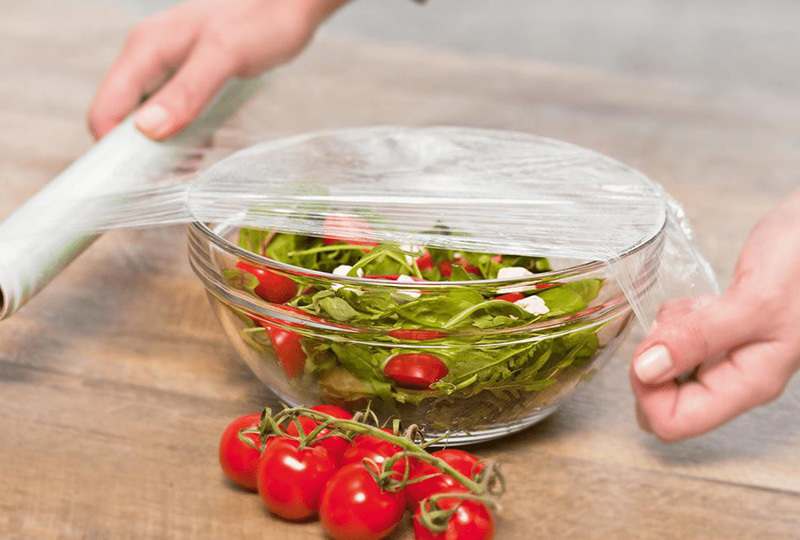
One of the primary benefits of degradable cling film is its ability to maintain food freshness. Just like its non-degradable counterpart, it provides an airtight seal that helps to keep moisture in and air out, thereby prolonging the shelf life of various foods. Whether you're wrapping leftover fruits and vegetables, covering a bowl of salad, or storing sandwiches, degradable cling film remains effective in preventing spoilage and maintaining taste.
It's essential to know that there are different types of degradable cling film available. Some films are made from biodegradable materials, which can break down naturally in composting environments, while others may be designed to degrade over time when exposed to certain conditions, such as sunlight or moisture. Choosing the right product often depends on how you plan to dispose of the cling film after use.
In addition to its food preservation capabilities, degradable cling film also contributes to reducing plastic waste. With increasing pollution caused by single-use plastics, many consumers are actively seeking alternatives that align with eco-friendly practices. By opting for degradable cling film, you're making a conscious choice to support sustainability and reduce your carbon footprint.
Furthermore, the manufacturing processes for degradable cling films are often more environmentally responsible. Many companies are now employing practices that minimize energy use and waste production during the manufacturing process, making these products not only safer for the environment but also more appealing to eco-conscious consumers.
When using degradable cling film, proper disposal is crucial to ensure that it degrades effectively. It’s typically recommended to compost biodegradable cling films or dispose of them in designated waste facilities that accept such materials. Understanding local disposal guidelines can further enhance your positive impact on the environment.
In summary, degradable cling film represents a promising alternative to traditional plastic wraps, offering the same benefits of food preservation while being kinder to the planet. By incorporating degradable cling film into your kitchen routine, you contribute to a more sustainable future, all while enjoying the convenience of effective food storage. Embracing these environmentally friendly options is a step toward creating a healthier planet for generations to come.
Related News
What are the characteristics of PVC fresh-keeping film for food preservation

Can PVC plastic wrap be heated in a microwave oven?
What is the difference between PVC cling film and PE cling film
The choice of PVC cling film need to pay attention to what

Professional Cling Film Manufacturer
Address: No.3 Jiefang road (east) Cangzhou Economy Development Zone, Cangzhou City, Hebei province, China.
Please leave your email, we will contact you as soon as possible, thank you!