

Biodegradable and Effective: The Future of Cling Film in Sustainable Kitchen Practices
Release time:
Feb 10,2025
Biodegradable and Effective: The Future of Cling Film in Sustainable Kitchen Practices Table of Contents 1. Introduction to Biodegradable Cling Film 2. Understanding Traditional Cling Film 3. The Environmental Impact of Conventional Cling Film 4. Biodegradable Cling Film Alternatives 5. Benefits of Using Biodegradable Cling Film 6. How to Use Biodegradable Cling Film Effec
Biodegradable and Effective: The Future of Cling Film in Sustainable Kitchen Practices
Table of Contents
- 1. Introduction to Biodegradable Cling Film
- 2. Understanding Traditional Cling Film
- 3. The Environmental Impact of Conventional Cling Film
- 4. Biodegradable Cling Film Alternatives
- 5. Benefits of Using Biodegradable Cling Film
- 6. How to Use Biodegradable Cling Film Effectively
- 7. The Future of Cling Film: Trends and Innovations
- 8. Conclusion
- 9. Frequently Asked Questions
1. Introduction to Biodegradable Cling Film
In today's world, the quest for sustainability has become a priority for consumers and businesses alike. As we strive to reduce our environmental footprint, it's essential to consider the products we use daily. Cling film, a staple in many kitchens, has long been associated with environmental concerns due to its plastic composition. However, the introduction of **biodegradable cling film** offers a promising alternative. This article explores the evolution of cling film, its environmental impact, and the benefits of transitioning to biodegradable options.
2. Understanding Traditional Cling Film
Traditional cling film, often made from polyvinyl chloride (PVC) or low-density polyethylene (LDPE), is designed to wrap and preserve food. Its clingy nature makes it convenient for sealing containers, covering dishes, and reducing food spoilage. However, the very properties that make cling film effective also contribute to its environmental challenges. Most cling films are not recyclable and can take hundreds of years to decompose, leading to significant landfill contributions and ocean pollution.
2.1 The Composition of Traditional Cling Film
Cling film is primarily composed of synthetic polymers, which provide the flexibility and stretch necessary for effective food storage. While these materials are practical, their environmental impact raises concerns about sustainability. As consumers become more environmentally conscious, the need for alternatives that maintain functionality while minimizing ecological harm is more pressing than ever.
3. The Environmental Impact of Conventional Cling Film
The environmental impact of traditional cling film is profound. With billions of plastic films used annually, the accumulation of waste poses severe ecological threats. When disposed of improperly, cling film can contribute to ocean plastic pollution, harming marine life and ecosystems.
3.1 The Lifecycle of Cling Film
From production to disposal, the lifecycle of traditional cling film is fraught with challenges. The manufacturing process consumes fossil fuels and emits greenhouse gases. Once discarded, cling film often ends up in landfills, where it can persist for centuries without breaking down. The shift to biodegradable alternatives represents a crucial step in mitigating these environmental issues.
4. Biodegradable Cling Film Alternatives
Biodegradable cling film is crafted from renewable resources, such as plant-based materials. This innovative approach allows these films to decompose naturally, returning nutrients to the earth without leaving harmful residues.
4.1 Types of Biodegradable Cling Films
Several types of biodegradable cling films are emerging in the market, including those made from:
- **PLA (Polylactic Acid)**: Derived from corn starch or sugarcane, PLA is compostable and offers a similar functionality to traditional cling film.
- **PCL (Polycaprolactone)**: This biodegradable polyester is effective in maintaining food freshness while breaking down in industrial composting facilities.
- **Cellulose Film**: Made from regenerated cellulose, this option is fully biodegradable and provides a transparent, flexible solution for food storage.
5. Benefits of Using Biodegradable Cling Film
Opting for biodegradable cling film comes with numerous advantages, both for consumers and the environment.
5.1 Environmental Advantages
Biodegradable cling films help reduce plastic pollution, lower carbon emissions during production, and promote a circular economy by returning nutrients to the soil.
5.2 Health Benefits
Many biodegradable cling films are free from toxic chemicals commonly found in traditional plastic films, such as phthalates and BPA. This makes them a safer choice for food storage, ensuring that harmful substances do not leach into the food.
5.3 Versatility and Functionality
Biodegradable cling films are designed to provide the same functionality as traditional films. They can stretch, cling, and seal effectively, making them suitable for various kitchen uses—from wrapping leftovers to covering bowls.
6. How to Use Biodegradable Cling Film Effectively
Using biodegradable cling film is straightforward and similar to traditional options. Here are some tips for maximizing its effectiveness:
6.1 Proper Wrapping Techniques
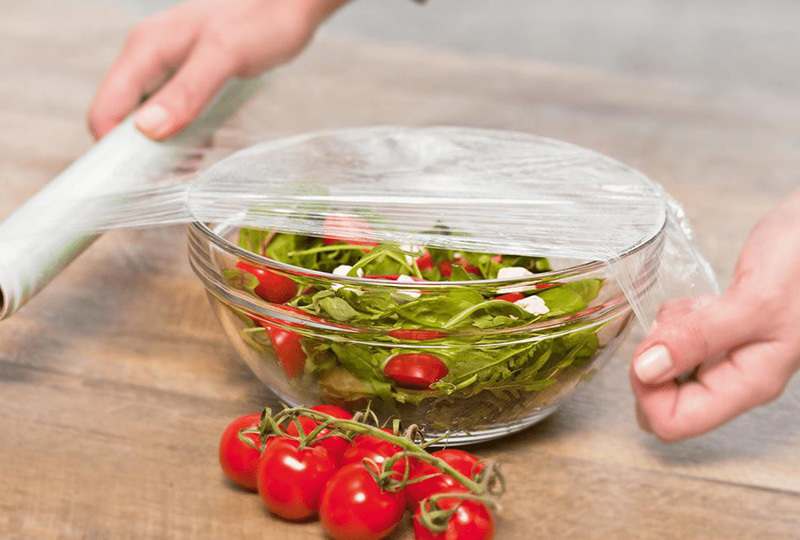
To ensure a secure seal, start by tearing a length of cling film that is adequate for your needs. Place it over the item to be wrapped, smoothing out any wrinkles to enhance adhesion.
6.2 Storage Considerations
Store biodegradable cling film in a cool, dry place, away from direct sunlight, to maintain its integrity. Avoid using it in high-temperature situations, such as microwaving, as not all biodegradable films are heat-resistant.
6.3 Disposal Practices
When disposing of biodegradable cling film, check local regulations regarding composting. Many biodegradable options can be composted in industrial facilities, while others may be suitable for home composting.
7. The Future of Cling Film: Trends and Innovations
The trend towards sustainability is influencing the future of cling film production. Innovations in materials science are paving the way for even more effective biodegradable films that offer enhanced performance while remaining environmentally conscious.
7.1 Research and Development
Ongoing research is focusing on improving the durability and usability of biodegradable cling films. Companies are investing in developing materials that provide the same barrier properties as traditional films while being naturally degradable.
7.2 Consumer Awareness and Education
As consumers become increasingly aware of environmental issues, educating them about biodegradable alternatives and their benefits is essential. Increased awareness will drive demand, prompting manufacturers to continue innovating and expanding their biodegradable product lines.
8. Conclusion
The shift towards biodegradable cling film represents a significant step forward in sustainable kitchen practices. By replacing traditional plastic cling film with biodegradable alternatives, we can reduce our environmental impact and promote a healthier planet. As technology advances, the future of cling film looks promising, with innovations that prioritize both functionality and ecological responsibility. Embracing biodegradable cling film is not just a trend; it's a commitment to sustainability and the well-being of future generations.
9. Frequently Asked Questions
1. What is biodegradable cling film made of?
Biodegradable cling film is commonly made from materials such as PLA (polylactic acid), PCL (polycaprolactone), and cellulose, all derived from renewable resources.
2. How long does biodegradable cling film take to decompose?
The decomposition time for biodegradable cling film can vary based on the material and composting conditions but typically ranges from a few months to a couple of years in industrial composting facilities.
3. Can I use biodegradable cling film in the microwave?
Not all biodegradable cling films are microwave-safe. It's essential to check the product specifications and use heat-resistant options when necessary.
4. Is biodegradable cling film more expensive than traditional plastic cling film?
While biodegradable cling film may have a higher upfront cost, many consumers find value in supporting sustainable products that also reduce environmental impact.
5. Where can I purchase biodegradable cling film?
Biodegradable cling film is increasingly available in supermarkets, specialty eco-friendly stores, and online marketplaces, making it easier for consumers to access sustainable kitchen products.
By understanding the importance of biodegradable cling film and its benefits, consumers can make informed decisions that contribute to a more sustainable future while still enjoying the convenience of cling film in their kitchens.
Related News
What are the characteristics of PVC fresh-keeping film for food preservation

Can PVC plastic wrap be heated in a microwave oven?
What is the difference between PVC cling film and PE cling film
The choice of PVC cling film need to pay attention to what

Professional Cling Film Manufacturer
Address: No.3 Jiefang road (east) Cangzhou Economy Development Zone, Cangzhou City, Hebei province, China.
Please leave your email, we will contact you as soon as possible, thank you!