

Understanding PVC Cling Film: A Practical Guide for Kitchen Use
Release time:
Feb 13,2025
PVC cling film, commonly referred to as plastic wrap, is an essential item in many kitchens due to its versatility and effectiveness in food preservation. Made from polyvinyl chloride (PVC), this cling film is designed to tightly adhere to various surfaces, creating an airtight seal that helps to keep food fresh for longer periods. This is particularly beneficial in reducing food waste and maintai
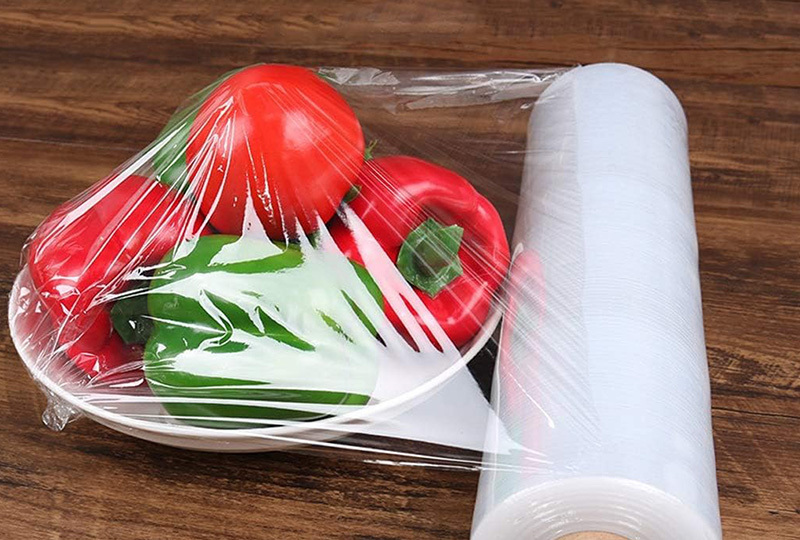
One of the primary advantages of using PVC cling film is its ability to create a barrier against moisture and air. By preventing exposure to air, it helps slow down the oxidation process, which can lead to spoilage. This makes it an excellent choice for wrapping fruits, vegetables, meats, and baked goods. Moreover, its transparent nature allows for easy identification of contents without the need to remove the film, saving time and effort during meal prep.
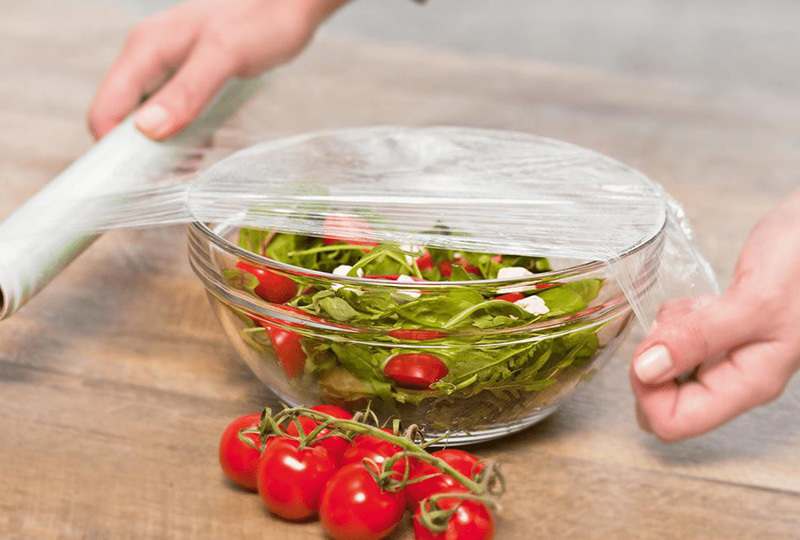
In addition to food preservation, PVC cling film also serves multiple functions in the kitchen. It can be used to cover bowls, plates, and dishes, keeping food items protected from contaminants and maintaining their freshness. For those engaged in meal prepping, using cling film can streamline the process by simplifying the storage of multiple portions while minimizing the use of additional containers.
When utilizing PVC cling film, it is important to practice proper usage to ensure the best results. Always ensure that the surface is clean and dry before applying the wrap, as this will enhance its adhesive properties. When wrapping food, try to stretch the film tight over the surface to maximize the contact area, thereby creating a stronger seal. This attention to detail will significantly improve the effectiveness of the cling film in preserving your food.
Safety is also a key consideration when using PVC cling film. While it is generally safe for food storage, it is advisable to avoid using it in the microwave or for wrapping hot foods, as the heat can cause the film to melt and potentially leach harmful substances into the food. Always check for specific product guidelines to ensure safe use.
In conclusion, PVC cling film is a valuable tool in any kitchen, offering a practical solution for food storage and preservation. By understanding its properties and best practices, you can make the most of this essential kitchen item, ensuring that your meals remain fresh and flavorful. Whether you're an experienced chef or a home cook, incorporating PVC cling film into your culinary routine can elevate your food preservation efforts.
Related News
What are the characteristics of PVC fresh-keeping film for food preservation

Can PVC plastic wrap be heated in a microwave oven?
What is the difference between PVC cling film and PE cling film
The choice of PVC cling film need to pay attention to what

Professional Cling Film Manufacturer
Address: No.3 Jiefang road (east) Cangzhou Economy Development Zone, Cangzhou City, Hebei province, China.
Please leave your email, we will contact you as soon as possible, thank you!