

How to Make the Most of Your PVC Cling Film Roll: Tips, Tricks, and Techniques
Release time:
Feb 16,2025
How to Make the Most of Your PVC Cling Film Roll Table of Contents Introduction to PVC Cling Film Benefits of Using PVC Cling Film Essential Tips for Using PVC Cling Film Creative Uses for Your Cling Film Best Practices for Storing Cling Film Eco-Friendly Alternatives to PVC Cling Film Frequently Asked Questions Conclusion Introduction to PVC Cling Film PVC cling
How to Make the Most of Your PVC Cling Film Roll
Table of Contents
- Introduction to PVC Cling Film
- Benefits of Using PVC Cling Film
- Essential Tips for Using PVC Cling Film
- Creative Uses for Your Cling Film
- Best Practices for Storing Cling Film
- Eco-Friendly Alternatives to PVC Cling Film
- Frequently Asked Questions
- Conclusion
Introduction to PVC Cling Film
PVC cling film, often known as plastic wrap or saran wrap, is an essential tool in any kitchen. This versatile product offers a simple solution for food preservation, from sealing leftovers to wrapping sandwiches. Understanding how to maximize its potential can transform your culinary experience. In this article, we will explore various aspects of PVC cling film, including its benefits, usage tips, creative applications, and storage solutions.
Benefits of Using PVC Cling Film
1. Food Preservation
The primary advantage of PVC cling film is its ability to seal in freshness. By creating a tight barrier, it helps prevent air and moisture from affecting your food, extending its shelf life significantly. This is particularly beneficial for fruits, vegetables, and prepared dishes.
2. Versatility in the Kitchen
PVC cling film can be used for various purposes beyond covering food. It can help with marinating, baking, and even creating makeshift piping bags for icing. Its flexibility allows for creative solutions in meal preparation.
3. Cost-Effective Solution
Using cling film can minimize food waste, ultimately reducing grocery costs. By properly storing food, you can enjoy leftovers without compromising quality, stretching your budget further.
Essential Tips for Using PVC Cling Film
1. Choose the Right Size
Selecting the appropriate size of cling film for your needs is crucial. Opt for larger rolls for bulkier items and smaller rolls for individual portions. This ensures you waste less film and save money in the long run.
2. Ensure a Tight Seal
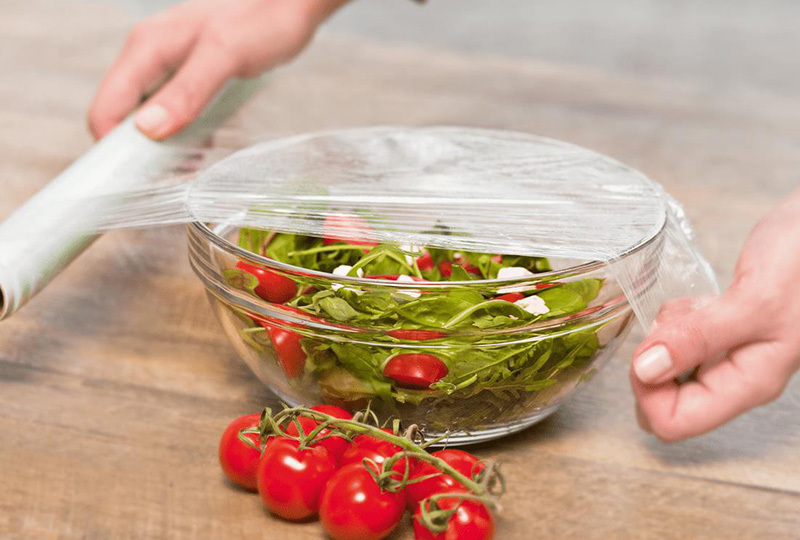
For optimal preservation, press down firmly on the film, ensuring that it adheres well to the surface of the food container. Eliminate air pockets as much as possible to maintain freshness.
3. Use When Dry
Moisture can hinder cling film's adhesive properties. Ensure your food is dry before wrapping it; this will help yield a better seal and extend the food's longevity.
4. Wrap in Layers for Extra Protection
For items that need extra protection, consider wrapping them in multiple layers of cling film. This provides an additional barrier against air or moisture, ensuring your food stays fresher for longer.
Creative Uses for Your Cling Film
1. Baking and Cooking Hacks
PVC cling film can be used creatively in the kitchen. For instance, when steaming vegetables, cover the dish with cling film to trap steam and cook the food evenly. It can also be used to cover dough while it rises, preventing a crust from forming.
2. Homemade Icing Bags
Instead of purchasing disposable piping bags, cut a small hole in one corner of a piece of cling film, fill it with icing, and twist the top to create a homemade icing bag. This method is both cost-effective and environmentally friendly.
3. Marinating Made Easy
When marinating meats or vegetables, use cling film to cover the bowl tightly. This prevents spills and ensures that the marinade fully coats the food, enhancing flavors while keeping your refrigerator clean.
Best Practices for Storing Cling Film
1. Keep it in a Cool, Dry Place
To maintain the quality of your PVC cling film, store it in a cool and dry environment. Avoid exposing it to direct sunlight or heat sources, as this can weaken the film and reduce its effectiveness.
2. Use Dispensers for Easy Access
Investing in a cling film dispenser can significantly streamline your kitchen work. This tool allows for easy cutting and storage, ensuring that your cling film is always accessible and ready for use.
3. Avoid Double-Dipping
When using cling film, avoid reusing pieces that have touched raw food. This practice can lead to cross-contamination and spoilage. Use fresh pieces for each new task to maintain food safety.
Eco-Friendly Alternatives to PVC Cling Film
1. Beeswax Wraps
For those looking to reduce plastic waste, beeswax wraps are an excellent alternative. These reusable wraps are made from cotton coated in beeswax, providing a sustainable way to cover food while allowing it to breathe.
2. Silicone Food Covers
Silicone food covers can be used to seal bowls and containers, replacing the need for single-use cling film. They are dishwasher-safe and can be reused for years, making them an eco-friendly option.
3. Glass Containers with Lids
Investing in a set of glass containers with tight-fitting lids can eliminate the need for cling film altogether. These containers are durable, reusable, and help keep food fresh just as effectively as plastic wrap.
Frequently Asked Questions
1. Can I use PVC cling film in the microwave?
Yes, but make sure to check the packaging for microwave-safe labels. Some cling films can melt at high temperatures, so it's essential to use them correctly.
2. How can I remove cling film without tearing it?
To avoid tearing, slowly pull the cling film off the roll while holding the other end in place. This gentle technique will help maintain the film's integrity.
3. Is PVC cling film safe for food storage?
Yes, PVC cling film is generally safe for food storage. However, always check for BPA-free labels if you are concerned about chemicals leaching into your food.
4. How long can I store food wrapped in cling film?
The duration varies depending on the type of food. Generally, most leftovers can last up to 3-4 days when properly wrapped.
5. Can I recycle PVC cling film?
Most curbside recycling programs do not accept cling film. However, some specialized recycling facilities may take it, so it’s best to check your local guidelines.
Conclusion
In conclusion, PVC cling film is a versatile and indispensable tool in the kitchen. By understanding its benefits, mastering usage techniques, and exploring creative applications, you can significantly enhance your food preservation practices. While considering eco-friendly alternatives is important, knowing how to make the most of your cling film ensures that you maximize both efficiency and sustainability in your culinary endeavors. Embrace these tips to transform how you store and prepare food, reducing waste and saving time in the process.
Related News
What are the characteristics of PVC fresh-keeping film for food preservation

Can PVC plastic wrap be heated in a microwave oven?
What is the difference between PVC cling film and PE cling film
The choice of PVC cling film need to pay attention to what

Professional Cling Film Manufacturer
Address: No.3 Jiefang road (east) Cangzhou Economy Development Zone, Cangzhou City, Hebei province, China.
Please leave your email, we will contact you as soon as possible, thank you!