

The Environmental Impact of Plastic Cling Film: What You Need to Know
Release time:
Feb 22,2025
The Environmental Impact of Plastic Cling Film: What You Need to Know Table of Contents 1. Introduction to Plastic Cling Film 2. Understanding What Plastic Cling Film Is 3. The Lifecycle of Plastic Cling Film 4. Environmental Impact of Plastic Cling Film 5. Pollution and Waste Generated by Plastic Cling Film 6. Effects on Wildlife and Ecosystems 7. Sustainable Alternatives to Plastic Cling Film 8
The Environmental Impact of Plastic Cling Film: What You Need to Know
Table of Contents
- 1. Introduction to Plastic Cling Film
- 2. Understanding What Plastic Cling Film Is
- 3. The Lifecycle of Plastic Cling Film
- 4. Environmental Impact of Plastic Cling Film
- 5. Pollution and Waste Generated by Plastic Cling Film
- 6. Effects on Wildlife and Ecosystems
- 7. Sustainable Alternatives to Plastic Cling Film
- 8. How to Reduce Your Use of Plastic Cling Film
- 9. Conclusion
- 10. Frequently Asked Questions
1. Introduction to Plastic Cling Film
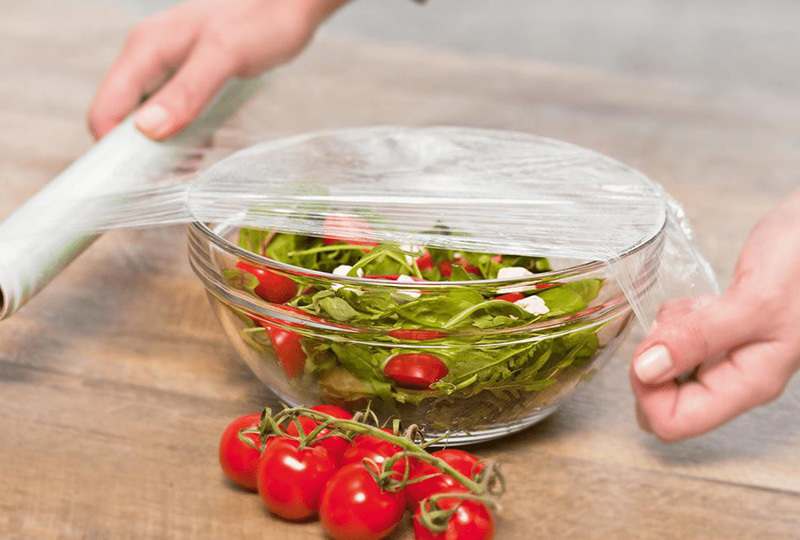
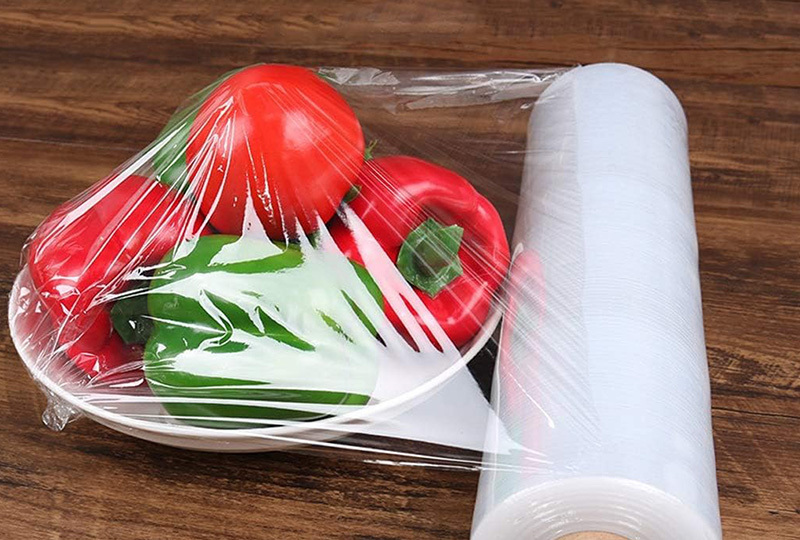
In our modern kitchens, **plastic cling film** has become an indispensable tool for food preservation. However, its **environmental impact** deserves our immediate attention. As awareness of environmental issues grows, it’s crucial to examine how our everyday choices, like using cling film, contribute to broader ecological challenges. In this article, we will explore the environmental ramifications of plastic cling film, from its production to disposal, and discuss viable alternatives.
2. Understanding What Plastic Cling Film Is
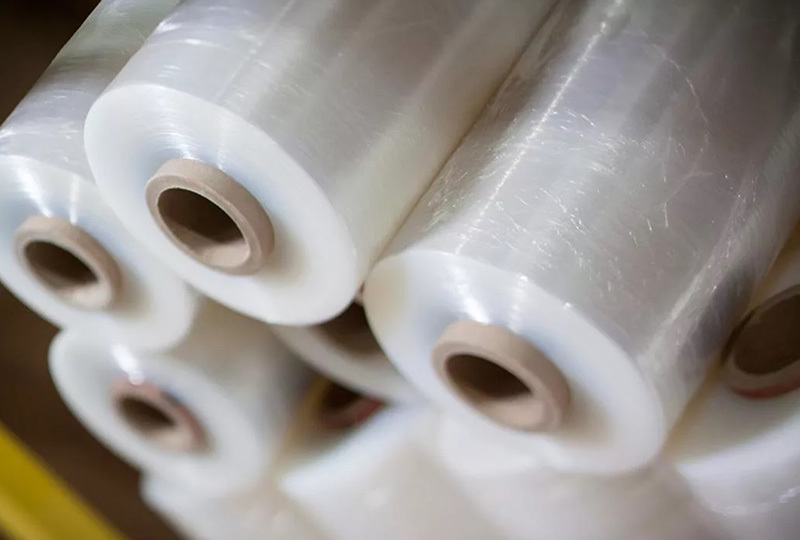
Plastic cling film, commonly known as **plastic wrap**, is a thin plastic film typically made from **polyethylene** or **polyvinyl chloride (PVC)**. It is designed to cling tightly to surfaces and is often used for wrapping food items to maintain freshness. While its convenience is unquestionable, it is essential to understand the materials involved in its production and the consequent implications for the environment.
The Composition of Plastic Cling Film
Most plastic wraps are made from **low-density polyethylene (LDPE)**, which is known for its flexibility and durability. Other varieties may include PVC, which has raised significant concerns due to its toxic additives and potential health risks. Understanding these materials is vital for comprehending their environmental implications.
3. The Lifecycle of Plastic Cling Film
The lifecycle of plastic cling film encompasses several stages: **production**, **usage**, **disposal**, and **decomposition**. Each stage contributes to its overall environmental impact.
Production Stage
The production of plastic cling film begins with the extraction of fossil fuels, primarily oil and natural gas. These resources undergo rigorous processing to create raw materials. The extraction and processing of fossil fuels generate significant greenhouse gas emissions, contributing to climate change.
Usage Stage
During its usage, cling film contributes to convenience in food storage but encourages wasteful practices. Many consumers use cling film generously, often discarding it after a single use. This practice exacerbates the waste crisis.
Disposal and Decomposition Stage
Once discarded, plastic cling film often ends up in landfills, where it does not decompose easily. Unlike organic materials that break down naturally, plastic cling film persists for hundreds of years, leaching harmful chemicals into the soil and waterways.
4. Environmental Impact of Plastic Cling Film
The environmental impact of plastic cling film is profound and multifaceted. It extends beyond the immediate effects to encompass long-term consequences for our planet.
Contribution to Plastic Pollution
Plastic cling film is a prominent contributor to **plastic pollution**. Globally, millions of tons of plastic waste end up in oceans and natural habitats, adversely affecting ecosystems and wildlife.
Greenhouse Gas Emissions
The production and disposal processes for plastic cling film contribute to **greenhouse gas emissions**, further exacerbating global warming. The extraction of fossil fuels and the energy-intensive production processes significantly increase the carbon footprint associated with cling film.
5. Pollution and Waste Generated by Plastic Cling Film
The pollution generated by plastic cling film is not limited to its physical presence in landfills. The entire lifecycle of cling film generates various forms of waste and pollution.
Microplastics in the Environment
As plastic cling film degrades over time, it breaks down into smaller particles known as **microplastics**. These microplastics contaminate soil and waterways, posing risks to marine life and potentially entering the food chain, ultimately affecting human health.
Impact on Waste Management Systems
Plastic cling film complicates waste management efforts. Its lightweight and flexible nature often leads to it being improperly sorted in recycling facilities, increasing the burden on waste management systems and ultimately leading to higher rates of landfill disposal.
6. Effects on Wildlife and Ecosystems
The environmental consequences of plastic cling film extend to wildlife and ecosystems, with several adverse effects being observed.
Ingestion and Entanglement Risks
Wildlife often confuses plastic cling film with food, leading to ingestion and potential choking hazards. Additionally, animals can become entangled in discarded cling film, resulting in injury or death.
Disruption of Marine Ecosystems
The entry of plastic cling film into oceans disrupts marine ecosystems. Turtles, seabirds, and other marine life can mistake plastic for food, leading to a decline in their populations and disrupting the balance of marine habitats.
7. Sustainable Alternatives to Plastic Cling Film
In light of the environmental challenges posed by plastic cling film, it is crucial to consider **sustainable alternatives** that can be embraced in our kitchens.
Beeswax Wraps
One popular alternative is **beeswax wraps**. Made from organic cotton infused with beeswax, tree resin, and jojoba oil, these wraps are reusable, biodegradable, and effective for food storage.
Silicone Food Covers
**Silicone food covers** provide a flexible and reusable option for covering bowls and containers. They are easy to clean and can withstand varied temperatures, making them a practical choice for food preservation.
Glass and Stainless Steel Containers
Investing in **glass** or **stainless steel containers** for food storage can effectively eliminate the need for plastic cling film. These containers are durable, reusable, and often designed with airtight lids to maintain food freshness.
8. How to Reduce Your Use of Plastic Cling Film
Reducing reliance on plastic cling film requires a conscious effort and practical steps:
Plan Your Meals
Planning meals can significantly reduce food waste and the need for cling film. By preparing only what is necessary, you can better manage storage needs.
Use Reusable Storage Options
Opt for reusable storage solutions such as jars, containers, and wraps. This shift not only reduces plastic waste but also promotes a more sustainable lifestyle.
Educate Others
Sharing knowledge about the environmental impact of plastic cling film with friends and family can foster a collective effort in reducing its use. Awareness is key to driving change.
9. Conclusion
The environmental impact of plastic cling film is a pressing issue that necessitates immediate attention. As we navigate our daily lives, the choices we make in our kitchens can have lasting consequences for our planet. By understanding the lifecycle and implications of plastic cling film, we can make informed decisions that prioritize ecological sustainability. Embracing sustainable alternatives and reducing our reliance on plastic cling film not only helps mitigate pollution but also contributes to a healthier environment for future generations.
10. Frequently Asked Questions
What is plastic cling film made of?
Plastic cling film is primarily made from low-density polyethylene (LDPE) or polyvinyl chloride (PVC), both of which pose environmental concerns.
How long does plastic cling film take to decompose?
Plastic cling film can take hundreds of years to decompose in landfills, contributing to long-term pollution issues.
Are there biodegradable alternatives to plastic cling film?
Yes, options such as beeswax wraps, silicone covers, and compostable wraps are available as biodegradable alternatives.
How can I properly dispose of plastic cling film?
Plastic cling film should be disposed of according to local recycling guidelines, although it often ends up in landfills due to recycling challenges.
Why is plastic cling film harmful to wildlife?
Plastic cling film poses dangers to wildlife through ingestion and entanglement, leading to injuries or death, and disrupting ecosystems.
By taking proactive steps to reduce plastic cling film usage and exploring sustainable alternatives, we can collectively work towards mitigating its environmental impact.
Related News
What are the characteristics of PVC fresh-keeping film for food preservation

Can PVC plastic wrap be heated in a microwave oven?
What is the difference between PVC cling film and PE cling film
The choice of PVC cling film need to pay attention to what

Professional Cling Film Manufacturer
Address: No.3 Jiefang road (east) Cangzhou Economy Development Zone, Cangzhou City, Hebei province, China.
Please leave your email, we will contact you as soon as possible, thank you!