

Exploring the Benefits of Antibacterial Plastic Cling Film in Kitchen Use
Release time:
Feb 25,2025
As consumers become increasingly aware of the importance of food safety, the demand for innovative kitchen products has surged. Antibacterial plastic cling film is one such innovation that has garnered significant attention. This type of cling film is infused with antibacterial agents that can inhibit the growth of harmful bacteria on the surface of food items, thereby extending their shelf life a
Research has shown that traditional plastic wrap can sometimes harbor bacteria, especially when handling raw meat or other perishable items. By incorporating antibacterial properties into plastic cling film, manufacturers have created a product that not only seals food effectively but also actively works to prevent bacterial contamination. This added layer of protection is particularly important in households with young children, the elderly, or individuals with weakened immune systems.
The mechanism behind antibacterial plastic cling film involves the use of materials that possess antimicrobial properties. For instance, silver ions or other natural antimicrobial agents can be integrated into the polymer matrix of the cling film. These agents disrupt bacterial cell functions, effectively reducing their numbers on the film’s surface. This technology is not only effective but also safe for food contact, making it a wise choice for consumers.
From a practical standpoint, the benefits of using antibacterial plastic cling film are manifold. Firstly, it helps in maintaining the freshness of fruits, vegetables, and leftovers by preventing the growth of mold and bacteria. This means that food stays edible for longer periods, which can ultimately lead to less food waste—a growing concern in sustainable living.
Moreover, antibacterial cling film can enhance the overall hygiene of food storage practices. By ensuring that bacteria do not thrive on wrapped items, this product not only protects the food itself but also contributes to a cleaner kitchen environment. This is particularly relevant in bustling kitchens where cross-contamination can easily occur.
In conclusion, the rise of antibacterial plastic cling film represents a significant leap forward in kitchen hygiene and food safety. By understanding its benefits and applications, consumers can make informed choices that contribute to healthier living. As the light consumer goods industry continues to evolve, incorporating such innovative products into daily practices can lead to improved well-being for individuals and families alike.
Related News
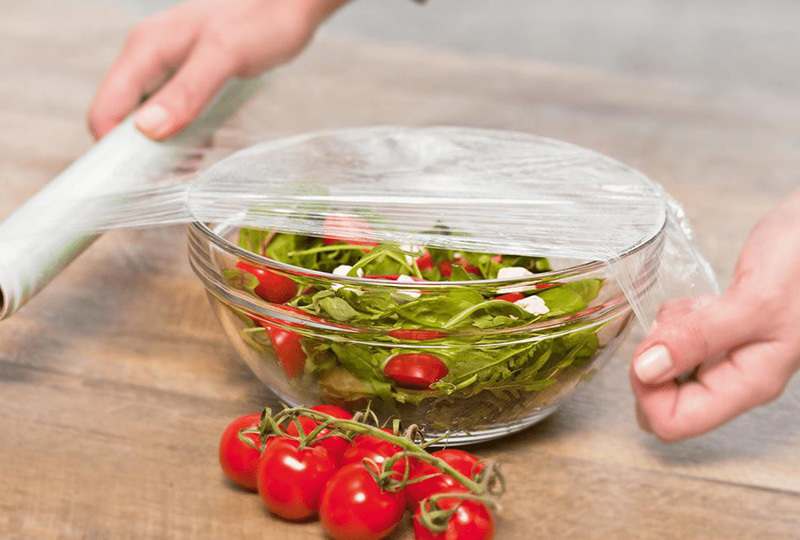
What are the characteristics of PVC fresh-keeping film for food preservation

Can PVC plastic wrap be heated in a microwave oven?
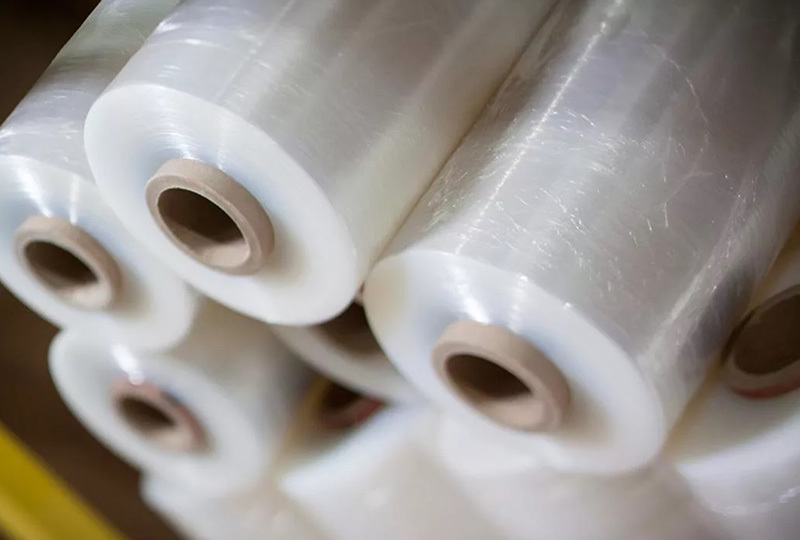
What is the difference between PVC cling film and PE cling film
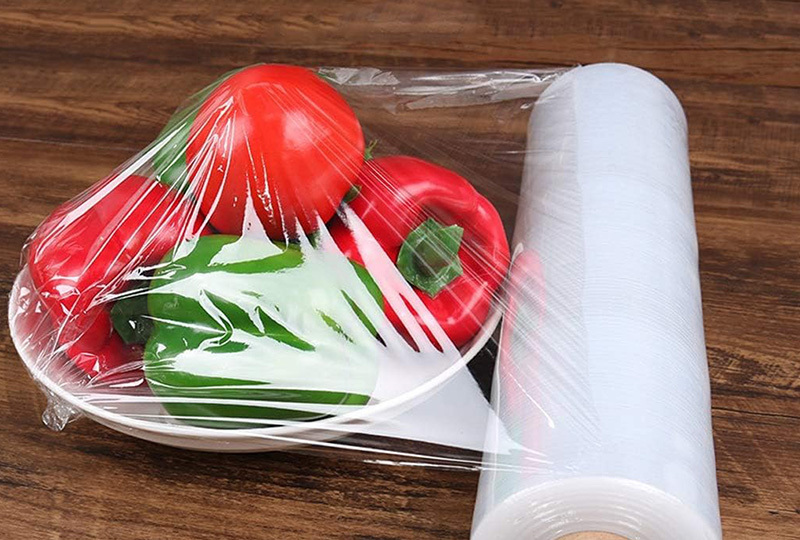
The choice of PVC cling film need to pay attention to what

Professional Cling Film Manufacturer
Address: No.3 Jiefang road (east) Cangzhou Economy Development Zone, Cangzhou City, Hebei province, China.
Please leave your email, we will contact you as soon as possible, thank you!