

The Future of Industrial Cling Film: Trends and Innovations in Kitchenware
Release time:
Feb 28,2025
The Future of Industrial Cling Film: Trends and Innovations in Kitchenware Table of Contents 1. Introduction: The Role of Cling Film in Modern Cooking 2. A Brief History of Cling Film: From Inception to Innovation 3. Different Types of Industrial Cling Film: Which One is Right for You? 4. Current Trends in Industrial Cling Film: What to Expect 5. Innovations in Sustainability:
The Future of Industrial Cling Film: Trends and Innovations in Kitchenware
Table of Contents
- 1. Introduction: The Role of Cling Film in Modern Cooking
- 2. A Brief History of Cling Film: From Inception to Innovation
- 3. Different Types of Industrial Cling Film: Which One is Right for You?
- 4. Current Trends in Industrial Cling Film: What to Expect
- 5. Innovations in Sustainability: Eco-Friendly Cling Film Options
- 6. Technological Advancements in Cling Film Production
- 7. Practical Applications of Industrial Cling Film in Kitchens
- 8. The Future Outlook: What Lies Ahead for Cling Film in Kitchenware
- 9. Frequently Asked Questions (FAQs)
- 10. Conclusion: Embracing the Future of Cling Film
1. Introduction: The Role of Cling Film in Modern Cooking
In today’s fast-paced world, ***industrial cling film*** has become a staple in kitchens around the globe. This versatile product is not only essential for food preservation but also plays a pivotal role in enhancing the efficiency of cooking and storage processes. As we delve into the future of industrial cling film, it is vital to acknowledge its evolution, current trends, and innovations that are redefining its applications in culinary practices.
2. A Brief History of Cling Film: From Inception to Innovation
Cling film, also known as plastic wrap, was first introduced in the 1950s. Initially made from polyvinyl chloride (PVC), it served a fundamental purpose: to keep food fresh and prevent spoilage. Over the decades, the materials used in cling film have evolved significantly. Today, industrial cling films are primarily made from low-density polyethylene (LDPE) and polyvinylidene chloride (PVDC), which offer enhanced performance and safety.
As consumers became more health-conscious, manufacturers began focusing on producing cling films that are not only effective but also safe for food contact. This shift marked the beginning of a new era in cling film production, paving the way for innovations that prioritize both functionality and sustainability.
3. Different Types of Industrial Cling Film: Which One is Right for You?
Understanding the different types of industrial cling film available is crucial for both consumers and businesses. Here are the primary types:
3.1 Polyethylene Cling Film
Polyethylene cling film is the most common type used in kitchens. It is safe for food contact and provides excellent clarity and stretchability, making it ideal for wrapping food items.
3.2 Polyvinylidene Chloride (PVDC) Cling Film
PVDC cling film offers superior barrier properties, making it more effective at preventing moisture and oxygen transfer. This type is particularly beneficial for preserving the freshness of meats and other perishable items.
3.3 Biodegradable Cling Film
As sustainability becomes a focal point for consumers, biodegradable cling films made from natural materials are gaining popularity. These films offer the same level of protection while being more environmentally friendly.
4. Current Trends in Industrial Cling Film: What to Expect
Several trends are shaping the future of industrial cling film, driven by consumer preferences and technological advancements:
4.1 Increased Demand for Sustainability
As awareness of environmental issues grows, consumers are actively seeking eco-friendly products. This demand is leading manufacturers to innovate biodegradable and compostable cling films that minimize environmental impact.
4.2 Enhanced Functionality
Modern cling films are now being developed with added features, such as antibacterial properties and improved cling strength. These enhancements provide better food preservation and hygiene, meeting the needs of health-conscious consumers.
4.3 Customization for Professional Use
In commercial kitchens, there is a rising demand for specialized cling films that cater to specific food types. Manufacturers are responding by offering customizable cling films tailored for different culinary applications.
5. Innovations in Sustainability: Eco-Friendly Cling Film Options
Sustainability is no longer a trend but a necessity. Innovations in the production of **eco-friendly cling films** are making waves in the kitchenware industry. Manufacturers are exploring materials such as plant-based bioplastics, which offer the same protective qualities as traditional cling films while being biodegradable.
Moreover, recycling programs are being implemented to ensure that cling films are disposed of responsibly. This not only helps reduce landfill waste but also encourages consumers to make environmentally conscious choices.
6. Technological Advancements in Cling Film Production
Technology plays a significant role in the development of industrial cling film. Advancements in production techniques have led to thinner, stronger films that maintain their integrity over time. These innovations not only reduce material usage but also enhance the user experience.
6.1 Nano-Technology
The incorporation of nanotechnology in cling film production is an emerging trend. This technology enhances barrier properties, ensuring that food remains fresher for longer. It also allows for the development of films that are more resistant to tearing and puncturing.
6.2 Smart Cling Films
The future may also see the rise of smart cling films that incorporate sensors to monitor the freshness of food. These films could change color or emit signals when food is nearing its expiration date, providing consumers with an additional layer of food safety.
7. Practical Applications of Industrial Cling Film in Kitchens
The versatility of industrial cling film is evident in its wide range of applications in both domestic and commercial kitchens:
7.1 Food Preservation
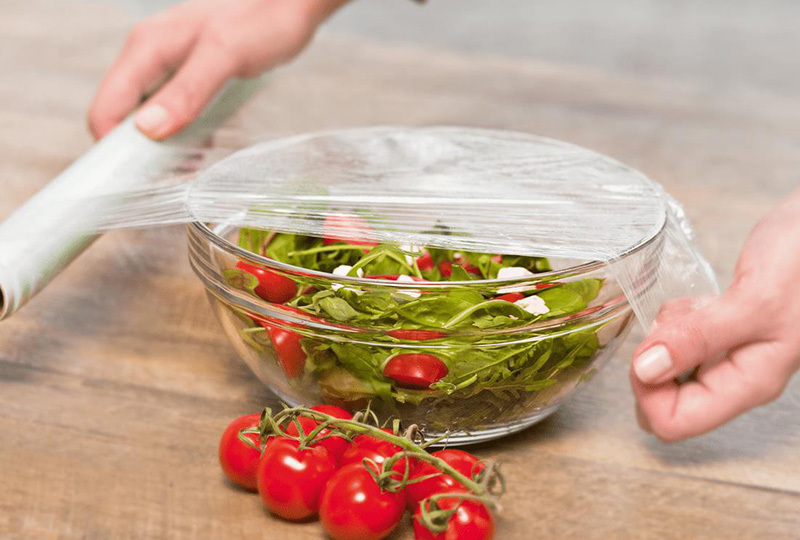
The primary function of cling film remains food preservation. By sealing in moisture and preventing exposure to air, cling film keeps food fresh, reducing waste and extending shelf life.
7.2 Sous Vide Cooking
In sous vide cooking, cling film is used to encapsulate food and create an airtight seal. This technique not only enhances flavor but also retains nutrients, making it a favorite among chefs.
7.3 Portion Control
For food service businesses, cling film is crucial for portion control. By wrapping pre-measured servings, kitchens can streamline their operations and reduce food waste.
8. The Future Outlook: What Lies Ahead for Cling Film in Kitchenware
As we look ahead, the future of industrial cling film appears bright. The ongoing focus on sustainability and innovation will continue to drive advancements in product development. We expect to see a rise in:
8.1 New Material Innovations
Research into alternative materials that offer similar protective qualities without the environmental impact is likely to expand, providing consumers with more options.
8.2 Consumer Education
As manufacturers introduce new products, consumer education will be paramount. Understanding the benefits of eco-friendly cling films will encourage more people to make sustainable choices.
8.3 Integration with Smart Technologies
The integration of smart technologies into kitchenware could revolutionize how we use cling film, making food preservation more efficient and user-friendly.
9. Frequently Asked Questions (FAQs)
9.1 What is industrial cling film made of?
Industrial cling film is primarily made from low-density polyethylene (LDPE) and polyvinylidene chloride (PVDC), though eco-friendly options utilize biodegradable materials.
9.2 Are there any health risks associated with cling film?
When used properly, cling film is safe for food contact. However, it is essential to avoid using cling film in microwaves unless it is labeled as microwave-safe.
9.3 How can I recycle cling film?
Many recycling facilities do not accept cling film due to its material properties. However, some brands offer take-back programs for responsible disposal.
9.4 Can cling film be used for sous vide cooking?
Yes, cling film can be effectively used for sous vide cooking, as it creates an airtight seal around food.
9.5 What are the benefits of biodegradable cling film?
Biodegradable cling films minimize environmental impact, break down more quickly in landfills, and provide similar food preservation benefits as traditional cling films.
10. Conclusion: Embracing the Future of Cling Film
The future of industrial cling film is set to evolve with a focus on sustainability, technology, and consumer demands. As innovations continue to emerge, we can expect better-performing products that align with the growing trend towards eco-conscious living. Embracing these changes will not only enhance food preservation in our kitchens but also contribute to a more sustainable future. The journey of cling film is far from over, and we look forward to witnessing its transformation in the years to come.
Related News
What are the characteristics of PVC fresh-keeping film for food preservation

Can PVC plastic wrap be heated in a microwave oven?
What is the difference between PVC cling film and PE cling film
The choice of PVC cling film need to pay attention to what

Professional Cling Film Manufacturer
Address: No.3 Jiefang road (east) Cangzhou Economy Development Zone, Cangzhou City, Hebei province, China.
Please leave your email, we will contact you as soon as possible, thank you!