

The Ultimate Guide to Cling Film for Home Cooks: Mastering Food Preservation with Ease
Release time:
Mar 06,2025
The Ultimate Guide to Cling Film for Home Cooks As home cooks, we often seek ways to enhance our culinary experience, and one critical yet often overlooked tool in our kitchen arsenal is cling film. This seemingly simple product plays a crucial role in food preservation, ensuring that our meals remain fresh, flavorful, and safe to consume. In this ultimate guide, we explore the various aspects of
The Ultimate Guide to Cling Film for Home Cooks
As home cooks, we often seek ways to enhance our culinary experience, and one critical yet often overlooked tool in our kitchen arsenal is cling film. This seemingly simple product plays a crucial role in food preservation, ensuring that our meals remain fresh, flavorful, and safe to consume. In this ultimate guide, we explore the various aspects of cling film, its diverse applications in the kitchen, and tips on how to use it effectively for optimal results.
Table of Contents
- Introduction to Cling Film
- Types of Cling Film: Which One is Right for You?
- Innovative Uses of Cling Film in Your Kitchen
- Benefits of Using Cling Film for Food Storage
- Best Practices for Using Cling Film Effectively
- Alternatives to Cling Film: Eco-Friendly Options
- Frequently Asked Questions about Cling Film
- Conclusion: Embrace Cling Film in Your Cooking Routine
Introduction to Cling Film
Cling film, also known as plastic wrap or food wrap, is a thin, flexible plastic film used to cover food items and protect them from contamination or moisture loss. Its clingy properties make it ideal for wrapping various foods, from leftovers to fresh produce. With an array of options available on the market, understanding cling film's functionalities and its role in food preservation can significantly enhance your kitchen efficiency.
Types of Cling Film: Which One is Right for You?
Choosing the right type of cling film can make a significant difference in your cooking and food storage experience. Here are the primary types of cling film available:
Standard Cling Film
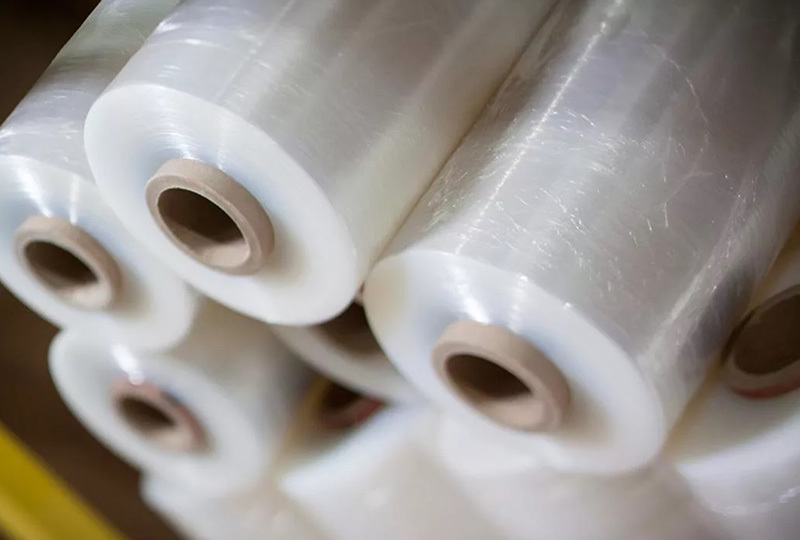
This is the most common type found in kitchens. Made from PVC or polyethylene, standard cling film is ideal for wrapping food items for short-term storage. It clings well to itself and other surfaces, creating a seal that helps keep food fresh.
Microwave-Safe Cling Film
Designed to withstand heat, microwave-safe cling film is suitable for covering dishes while reheating food in the microwave. It prevents splatters and keeps moisture in, ensuring even heating. However, it's essential to check the packaging for specific instructions regarding microwave use.
Heavy-Duty Cling Film
If you frequently store larger or bulk items, heavy-duty cling film is a game-changer. Thicker than standard options, it offers enhanced durability and sealing capabilities, making it perfect for wrapping meat, fish, or large bowls of food.
Innovative Uses of Cling Film in Your Kitchen
Cling film is not just for wrapping leftovers. Here are some innovative applications that can elevate your cooking game:
1. Marinating Meats
Using cling film to cover marinating meats can help the flavors penetrate deeper into the protein, enhancing the taste and tenderness. Simply place your meat in a bowl, pour in the marinade, and seal it tightly with cling film before refrigerating.
2. Proofing Dough
When working with yeast-based dough, covering it with cling film during the proofing process can help retain warmth and moisture, promoting better rising. This technique is particularly useful for bread and pastry doughs.
3. Preventing Oxidation of Cut Fruits
To keep cut fruits fresh and prevent browning, wrap them tightly in cling film. This minimizes exposure to air, preserving their color and flavor for longer periods.
4. Creating Piping Bags for Icing
For frosting or decorating cakes, cling film can be fashioned into a makeshift piping bag. Simply place your icing in the center, twist the ends, and cut a small opening for easy application.
5. Storing Fresh Herbs
Wrap fresh herbs in cling film to maintain their moisture and prolong freshness. This is especially beneficial for delicate herbs like basil and parsley, which tend to wilt quickly.
Benefits of Using Cling Film for Food Storage
Employing cling film in your kitchen offers numerous advantages that can enhance your food preservation efforts:
1. Moisture Retention
Using cling film creates a barrier that traps moisture, preventing foods from drying out. This is especially important for items like cooked pasta, rice, and vegetables.
2. Odor Control
Cling film effectively seals in odors, ensuring that strong-smelling foods do not permeate other items in your refrigerator. This is particularly useful for items like garlic, fish, or spices.
3. Convenience
The ease of use and versatility of cling film makes it a convenient choice for busy home cooks. It requires no special tools or equipment, simply tear off the desired length and wrap.
4. Protection from Contaminants
Cling film acts as a barrier against dust, dirt, and bacteria, ensuring that your food remains safe to eat. This is crucial for items that may be left uncovered in the refrigerator.
5. Cost-Effective Solution
Compared to other food storage options, cling film is an affordable choice, making it accessible for every kitchen budget.
Best Practices for Using Cling Film Effectively
To maximize the benefits of cling film, consider these best practices:
1. Ensure a Tight Seal
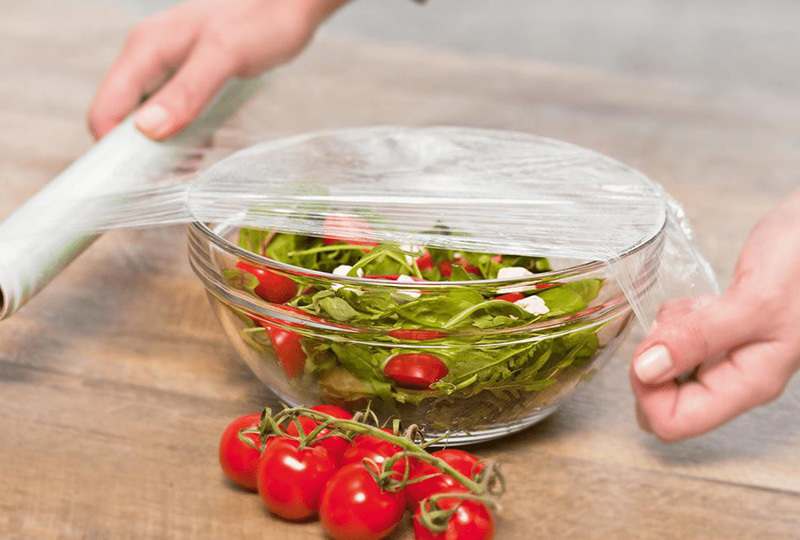
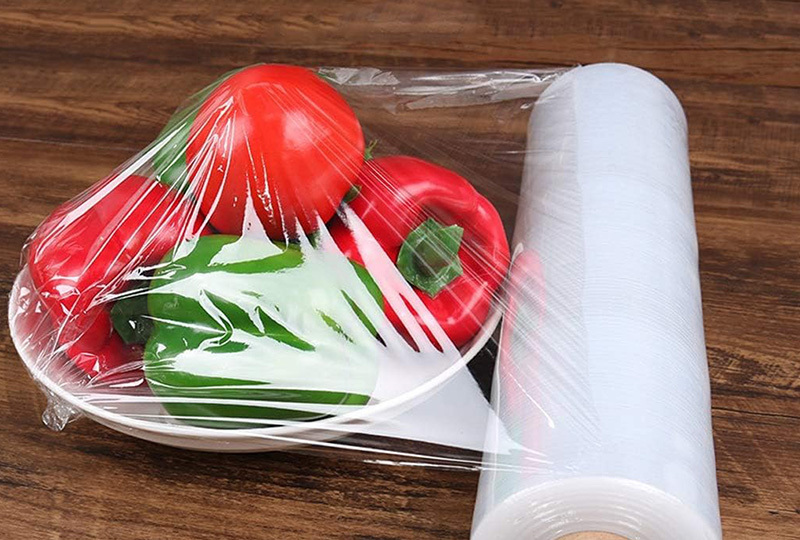
For optimal freshness, make sure to press the cling film tightly against the food item and the container, eliminating any air pockets. This helps maintain moisture and flavor.
2. Avoid Microwave Use with Certain Foods
While many cling films are microwave-safe, avoid using them with fatty foods, as they can reach higher temperatures and may cause the film to melt.
3. Store in a Cool, Dry Place
To prevent degradation, store cling film in a cool, dry area away from heat sources, which can weaken its properties over time.
4. Recycle Responsibly
Check local recycling guidelines for cling film disposal. Some areas may allow it in recycling bins, while others may require it to be thrown away. Always follow your local regulations.
Alternatives to Cling Film: Eco-Friendly Options
As awareness of environmental issues grows, many home cooks are seeking eco-friendly alternatives to cling film. Here are some viable options:
1. Beeswax Wraps
Reusable beeswax wraps are made from cotton fabric coated in beeswax, which creates a natural adhesive. They can be washed and reused, making them an environmentally friendly choice.
2. Silicone Food Covers
These stretchy covers are made from food-grade silicone and can fit various container sizes. They are dishwasher-safe and reusable, providing a sustainable option for food storage.
3. Glass Containers with Lids
Investing in glass containers with airtight lids is a great way to eliminate the need for cling film altogether. They are durable, easy to clean, and do not retain odors.
4. Mason Jars
Mason jars are perfect for storing leftovers, dry goods, and even salads. Their airtight seals keep food fresh while reducing waste.
Frequently Asked Questions about Cling Film
1. Is cling film safe for food storage?
Yes, cling film is safe for food storage when used according to the manufacturer's guidelines. Always check for any specific warnings or usage instructions on the packaging.
2. Can cling film be recycled?
Recycling policies for cling film vary by location. Check your local recycling guidelines to determine if it can be recycled or should be disposed of in the trash.
3. What foods should not be wrapped in cling film?
Avoid wrapping fatty foods, as they can reach high temperatures in the microwave, causing the cling film to melt. Additionally, raw meat should be handled and stored with caution to prevent cross-contamination.
4. How long can I store food wrapped in cling film?
The storage duration depends on the food type and its initial freshness. Generally, cling film can extend the shelf life of leftovers for 3-5 days when stored correctly in the refrigerator.
5. Can I use cling film in the freezer?
Yes, cling film is suitable for freezer use. It helps prevent freezer burn and keeps food fresh. Ensure that the film is tightly wrapped around the food item to maximize its effectiveness.
Conclusion: Embrace Cling Film in Your Cooking Routine
Cling film is an invaluable tool for home cooks, providing a simple yet effective solution for food preservation and storage. By understanding the different types of cling film, innovative uses, and best practices, we can enhance the freshness and safety of our meals. As we embrace this kitchen essential, let us also consider eco-friendly alternatives to reduce our environmental impact. With the right knowledge and techniques, cling film can be a powerful ally in our culinary adventures, helping us to cook, store, and enjoy our food with confidence.
Related News
What are the characteristics of PVC fresh-keeping film for food preservation

Can PVC plastic wrap be heated in a microwave oven?
What is the difference between PVC cling film and PE cling film
The choice of PVC cling film need to pay attention to what

Professional Cling Film Manufacturer
Address: No.3 Jiefang road (east) Cangzhou Economy Development Zone, Cangzhou City, Hebei province, China.
Please leave your email, we will contact you as soon as possible, thank you!