

Understanding Degradable Cling Film: A Sustainable Kitchen Solution
Release time:
Mar 09,2025
Degradable cling film is a type of plastic wrap designed to break down more quickly than traditional plastic wraps. While standard cling film can take hundreds of years to decompose in landfills, degradable options are engineered to accelerate the degradation process through the use of special additives or by being made from biodegradable materials. This innovation addresses a critical environment
One of the primary advantages of degradable cling film is its ability to provide the same level of food preservation as conventional plastic wraps. It effectively seals in flavors and moisture, keeping food fresh for longer periods. Whether you’re wrapping leftovers, covering a bowl of salad, or securing a sandwich, degradable cling film performs its tasks efficiently while contributing to a more sustainable kitchen.
The production of degradable cling film typically involves the use of materials such as polylactic acid (PLA) or other bio-based polymers. These materials are derived from renewable resources like corn starch or sugarcane, making them more environmentally friendly than petroleum-based plastics. As a result, when disposed of properly, degradable cling film can significantly reduce the amount of plastic waste that ends up in landfills and oceans.
Moreover, many degradable cling films are designed to be compostable, meaning they can break down in composting conditions into natural substances that enrich the soil. This feature offers an additional avenue for environmentally conscious consumers to minimize their carbon footprint and contribute to a circular economy.
However, it's essential to understand that “degradable” does not mean “invisible” when it comes to waste. Degradable cling film still requires proper disposal to ensure it degrades effectively. Consumers should follow local waste management guidelines to maximize its environmental benefits. Education on proper disposal methods is crucial for ensuring that these products fulfill their eco-friendly promise.
In conclusion, degradable cling film represents a significant step forward in the quest for sustainable kitchen practices. By opting for this product, consumers can enjoy the convenience of traditional cling film while making a conscious effort to reduce their environmental impact. As the demand for eco-friendly kitchen solutions continues to grow, understanding the benefits and proper use of degradable cling film is vital for both consumers and businesses looking to support sustainability in everyday life.
Related News
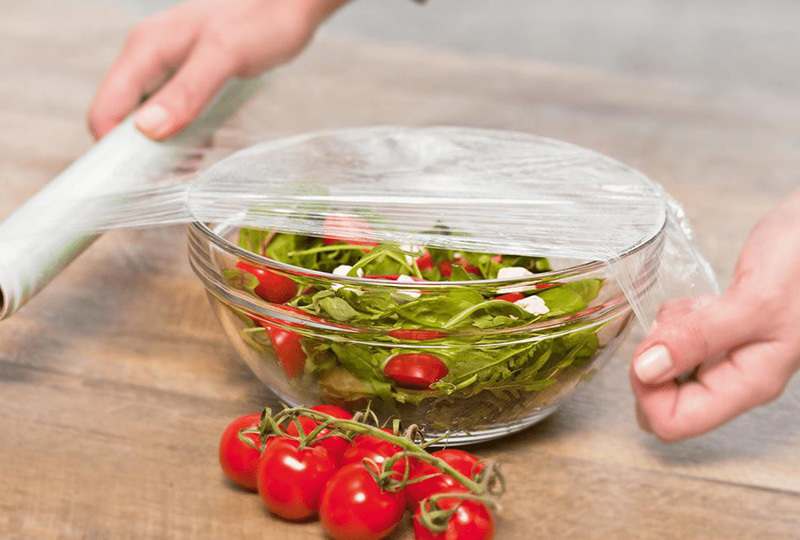
What are the characteristics of PVC fresh-keeping film for food preservation

Can PVC plastic wrap be heated in a microwave oven?
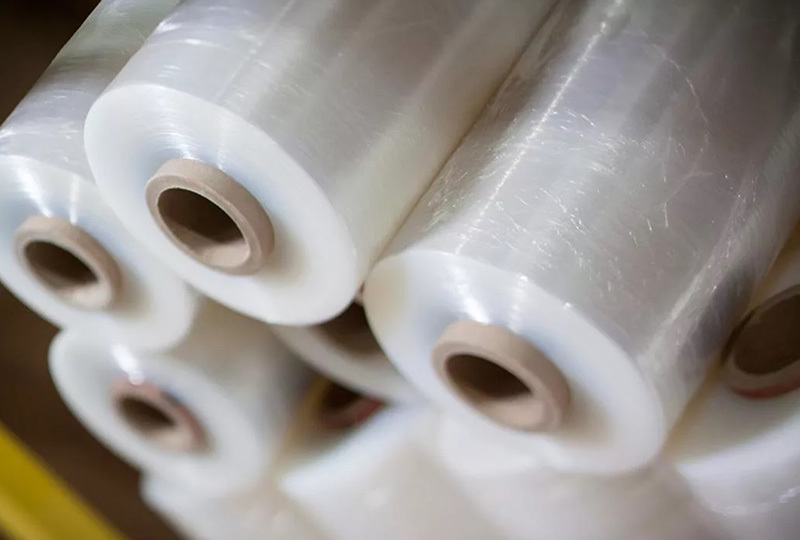
What is the difference between PVC cling film and PE cling film
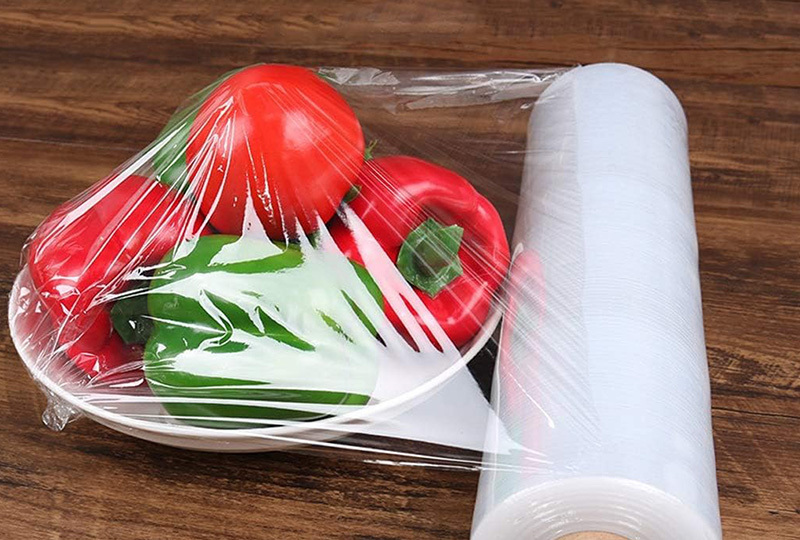
The choice of PVC cling film need to pay attention to what

Professional Cling Film Manufacturer
Address: No.3 Jiefang road (east) Cangzhou Economy Development Zone, Cangzhou City, Hebei province, China.
Please leave your email, we will contact you as soon as possible, thank you!