

Maximize Freshness: Expert Tips for Using Bio-Based Cling Film
Release time:
Mar 12,2025
Maximize Freshness: Expert Tips for Using Bio-Based Cling Film Table of Contents 1. Introduction to Bio-Based Cling Film 2. Benefits of Using Bio-Based Cling Film 3. How to Use Bio-Based Cling Film Effectively 4. Common Mistakes to Avoid When Using Cling Film 5. Storage Tips for Maximum Freshness 6. Sustainability: Why Choose Bio-Based Films 7. Frequently Asked Questions 8. Conclu
Maximize Freshness: Expert Tips for Using Bio-Based Cling Film
Table of Contents
- 1. Introduction to Bio-Based Cling Film
- 2. Benefits of Using Bio-Based Cling Film
- 3. How to Use Bio-Based Cling Film Effectively
- 4. Common Mistakes to Avoid When Using Cling Film
- 5. Storage Tips for Maximum Freshness
- 6. Sustainability: Why Choose Bio-Based Films
- 7. Frequently Asked Questions
- 8. Conclusion
1. Introduction to Bio-Based Cling Film
In today's eco-conscious world, **bio-based cling film** has emerged as a popular alternative to traditional plastic wraps. Made from renewable resources, bio-based films offer a unique blend of functionality and sustainability. This article aims to provide you with **expert tips** on how to maximize the freshness of your food while using this environmentally friendly option. By understanding how bio-based cling film works and how to use it effectively, we can extend the life of our food and contribute positively to the planet.
2. Benefits of Using Bio-Based Cling Film
Bio-based cling film is not just another food wrapping solution; it offers several advantages.
2.1 Environmental Impact
The production of bio-based cling film significantly reduces reliance on fossil fuels, making it a more sustainable choice. Since these films are derived from natural materials such as corn or sugarcane, they decompose more easily than conventional plastic.
2.2 Food Preservation
One of the primary reasons for using cling film is to preserve food. Bio-based cling films possess excellent barrier properties that help in retaining moisture and preventing external contaminants. This keeps fruits, vegetables, and leftovers fresh for a more extended period.
2.3 Versatility
Bio-based cling film can be used in a variety of ways, from wrapping sandwiches to covering bowls of leftovers. Its adaptability makes it a staple in any kitchen.
3. How to Use Bio-Based Cling Film Effectively
Using bio-based cling film correctly is key to maximizing the freshness of your food. Here are some essential tips:
3.1 Clean and Dry Your Food
Before wrapping, ensure that the food is clean and dry. Excess moisture can lead to spoilage, so patting down fruits or vegetables with a cloth can help.
3.2 Ensure Proper Coverage
When wrapping, ensure the cling film covers the food entirely. This means no gaps should be left, as air exposure can accelerate spoilage. Fold and press down the edges to create a tight seal.
3.3 Optimal Wrapping Techniques
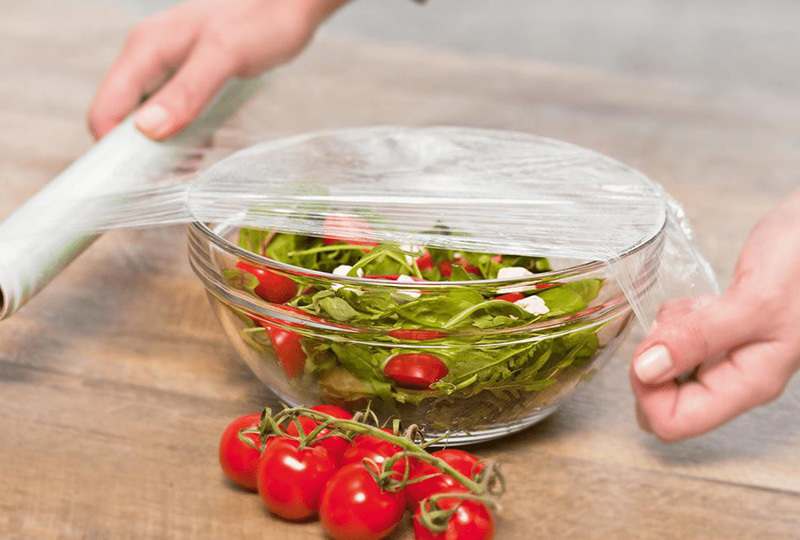
For items like sandwiches, place the food in the center of the cling film and fold the sides over. For bowls or containers, drape the film over the top and press the edges down around the sides.
3.4 Refrigeration and Freezing Tips
For best results, store wrapped food in a refrigerator or a freezer. When freezing, ensure that the cling film is tightly sealed to prevent freezer burn.
4. Common Mistakes to Avoid When Using Cling Film
While bio-based cling film is user-friendly, some common mistakes can undermine its effectiveness in food preservation.
4.1 Not Wrapping Tightly
Leaving gaps in the wrapping can expose food to air, which promotes spoilage. Always ensure a snug fit.
4.2 Using on Hot Foods
Avoid using cling film on hot foods, as this can cause the film to melt or release harmful chemicals. Allow food to cool before wrapping.
4.4 Overusing for Long-Term Storage
While bio-based cling film is excellent for short-term storage, it's not always the best choice for long-term preservation. Consider using airtight containers for items like meats and fish.
5. Storage Tips for Maximum Freshness
Proper storage is essential in maximizing the life of wrapped food.
5.1 Keep It in the Right Place
Store your wrapped food in the proper part of the refrigerator. For example, fruits and vegetables should go in the crisper drawer, while prepared meals can be placed in the main compartment.
5.2 Temperature Awareness
Be conscious of temperature settings in your refrigerator. Keeping your fridge at a consistent temperature (around 37°F or 3°C) helps maintain food quality.
5.3 Labeling and Organizing
Label your wrapped items with dates to keep track of their freshness. This simple step can prevent food waste and ensure you consume items at their peak.
6. Sustainability: Why Choose Bio-Based Films
Opting for bio-based cling film is not merely a trend; it's a commitment to sustainability and environmentally-friendly practices.
6.1 Renewable Resources
Bio-based cling films are typically made from renewable resources, which reduces the depletion of non-renewable resources.
6.2 Decomposable Nature
Unlike conventional plastic wraps, many bio-based films are designed to degrade more quickly, thereby lessening environmental impact.
6.3 Supporting Sustainable Practices
When you choose bio-based cling film, you're supporting companies that are committed to sustainable practices. This encourages the market to produce more eco-friendly products.
7. Frequently Asked Questions
7.1 What is bio-based cling film made of?
Bio-based cling film is typically made from materials such as corn starch or sugarcane that are derived from renewable sources.
7.2 Can I use bio-based cling film in the microwave?
Most bio-based cling films are microwave-safe, but always check the manufacturer's instructions prior to use.
7.3 How long can food be stored with cling film?
The duration varies by food type; generally, wrapped fruits and vegetables can last several days in the fridge.
7.4 Is bio-based cling film compostable?
Many bio-based cling films are compostable, but it's essential to read the packaging for specific disposal instructions.
7.5 How does bio-based cling film compare to traditional plastic wrap?
While both are effective for food preservation, bio-based cling film offers additional environmental benefits and is often more sustainable.
8. Conclusion
Maximizing freshness using bio-based cling film is a straightforward yet effective method for reducing food waste and promoting sustainability. By understanding its benefits, mastering proper usage techniques, and avoiding common pitfalls, we can enjoy fresher food while also caring for our planet. Making the switch to bio-based cling film is not just a personal choice; it’s a step towards a more sustainable future for us all. Embrace these tips, and let’s work together to keep our food fresh and our environment clean.
Related News
What are the characteristics of PVC fresh-keeping film for food preservation

Can PVC plastic wrap be heated in a microwave oven?
What is the difference between PVC cling film and PE cling film
The choice of PVC cling film need to pay attention to what

Professional Cling Film Manufacturer
Address: No.3 Jiefang road (east) Cangzhou Economy Development Zone, Cangzhou City, Hebei province, China.
Please leave your email, we will contact you as soon as possible, thank you!