

The Ultimate Guide to PVC Cling Film: Insights from China Manufacturing
Release time:
Oct 16,2025
The Ultimate Guide to PVC Cling Film: Insights from China Manufacturing Table of Contents Introduction to PVC Cling Film What is PVC Cling Film? The Manufacturing Process of PVC Cling Film in China Quality Control in PVC Cling Film Production Benefits of Using PVC Cling Film for Food Storage Applications of PVC Cling Film in Everyday Life Environmental Considerations of PVC Cling Fi
The Ultimate Guide to PVC Cling Film: Insights from China Manufacturing
Table of Contents
- Introduction to PVC Cling Film
- What is PVC Cling Film?
- The Manufacturing Process of PVC Cling Film in China
- Quality Control in PVC Cling Film Production
- Benefits of Using PVC Cling Film for Food Storage
- Applications of PVC Cling Film in Everyday Life
- Environmental Considerations of PVC Cling Film
- Tips for Using PVC Cling Film Effectively
- FAQs about PVC Cling Film
- Conclusion
Introduction to PVC Cling Film
In today's fast-paced world, **PVC cling film** has become an essential kitchen staple for many households. Its versatility in food preservation and ease of use make it a go-to option for keeping food fresh. This guide delves deep into **PVC cling film**, focusing specifically on the manufacturing processes in China, where a significant portion of this product is produced. We will explore the various aspects involved, from production techniques to practical usage tips, ensuring that you gain valuable insights into this ubiquitous kitchen item.
What is PVC Cling Film?
**PVC cling film**, also known as polyvinyl chloride film, is a thin plastic film commonly used for wrapping food items. It is designed to cling tightly to surfaces, providing an airtight seal that helps keep food fresh for longer periods. There are various types of cling films available, but PVC cling film is favored for its strength, transparency, and ability to conform to the shape of the items it covers.
Composition and Characteristics of PVC Cling Film
PVC cling film is made of polyvinyl chloride, a synthetic plastic polymer. Its properties include:
- **Flexibility**: Easily wraps around food items of various shapes and sizes.
- **Transparency**: Allows visibility of the wrapped food, making it easier to identify contents.
- **Adhesive Properties**: Sticks well to itself and other surfaces, creating a secure seal.
The Manufacturing Process of PVC Cling Film in China
China is one of the largest manufacturers of PVC cling film in the world. The production process involves several steps to ensure the final product meets international quality standards.
Raw Material Selection
The quality of PVC cling film starts with the selection of raw materials. High-quality polyvinyl chloride resin is essential for producing durable and effective cling film.
Extrusion Process
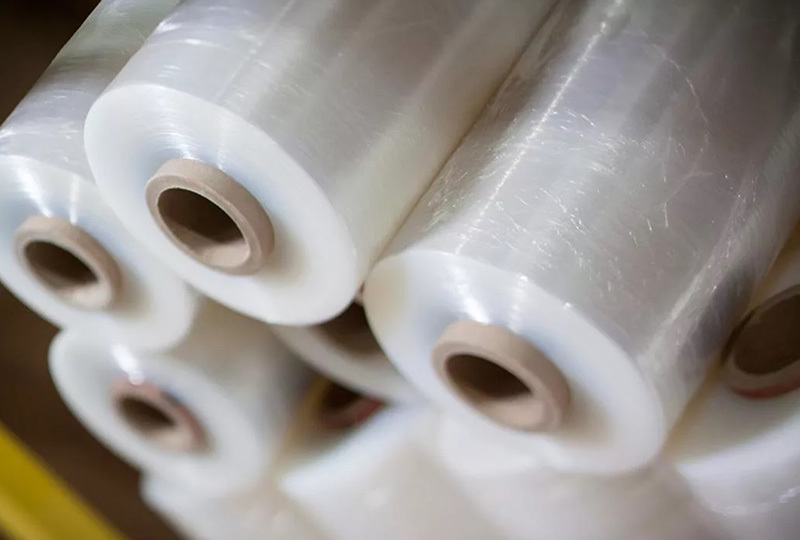
The main manufacturing method for PVC cling film is extrusion. This process involves melting the PVC resin and forcing it through a die to form a thin film. The film is then cooled and wound onto rolls for further processing.
Casting and Stretching
After extrusion, the film undergoes a casting process where it is spread out on a flat surface. It is then stretched to enhance its cling properties and overall strength. This step is crucial for ensuring the film can conform to various food shapes and maintain its integrity during use.
Quality Assurance Testing
Before the cling film is packaged, it undergoes rigorous testing to ensure it meets quality and safety standards. Tests include checking for thickness, clarity, and adhesive strength.
Quality Control in PVC Cling Film Production
Maintaining high-quality standards is paramount in the production of PVC cling film. Manufacturers in China implement strict quality control measures throughout the manufacturing process.
Standards Compliance
Manufacturers adhere to international safety and quality standards to ensure their products are safe for food contact. This includes compliance with regulations set forth by organizations such as the FDA and EU regulations.
Regular Inspections
Routine inspections of raw materials, production processes, and finished products help to identify any defects or deviations from quality standards. Inspections are often conducted at multiple stages of the production process.
Testing for Food Safety
Food safety is a crucial consideration in the production of PVC cling film. Manufacturers conduct various tests to ensure that the cling film does not leach harmful chemicals into food products.
Benefits of Using PVC Cling Film for Food Storage
The advantages of using PVC cling film extend beyond its convenience. Here are some of the key benefits:
Effective Food Preservation
**PVC cling film** creates an airtight seal that effectively keeps moisture in and air out. This helps to prevent spoilage and maintain the freshness of food items.
Convenience and Versatility
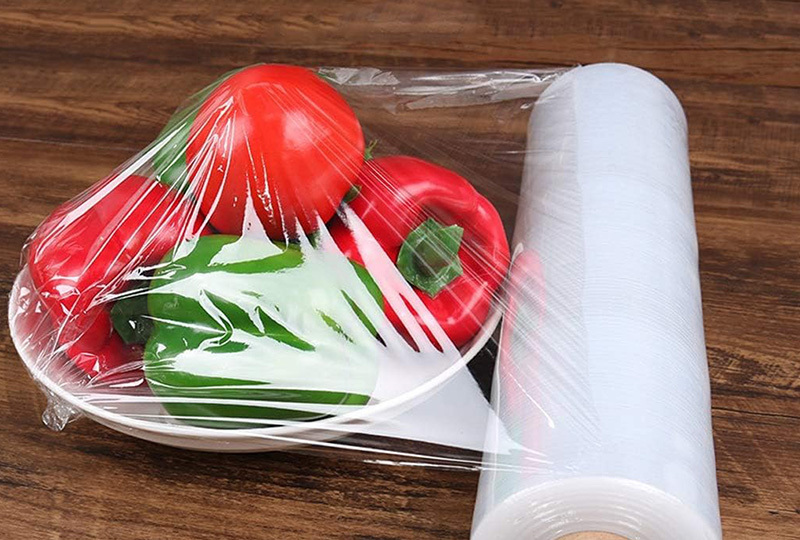
This cling film is incredibly versatile, suitable for wrapping a wide range of food items, including fruits, vegetables, leftovers, and sandwiches. It can even be used in microwave cooking, making it a multifunctional kitchen tool.
Cost-Effectiveness
PVC cling film is usually more affordable than other food storage options, such as glass containers or vacuum sealing systems. Its economical price point makes it accessible for everyday use.
Easy to Use
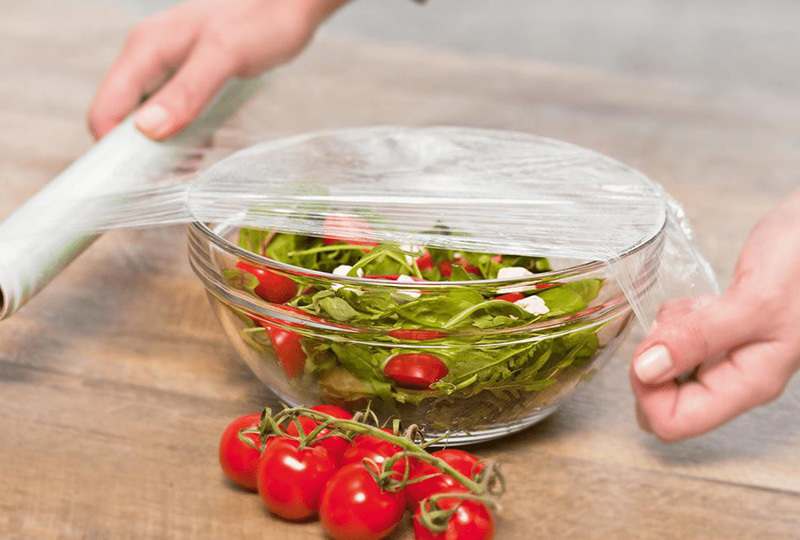
Using cling film is straightforward; simply pull off the desired length, wrap it around the food item, and press to seal. Its flexibility makes it easy to conform to different shapes.
Applications of PVC Cling Film in Everyday Life
The applications of PVC cling film are vast, making it a staple in both home and commercial kitchens.
Food Storage
One of the primary uses is food storage. It is ideal for covering bowls, wrapping sandwiches, and sealing leftovers to ensure maximum freshness.
Catering and Food Service
In catering and food service industries, PVC cling film is used to wrap platters and food items for transportation, ensuring that food remains intact and hygienic.
Crafting and DIY Projects
Beyond culinary uses, PVC cling film is also popular in crafting and DIY projects. It can be used to create molds, protect surfaces during painting, or even as a temporary cover for plant pots.
Environmental Considerations of PVC Cling Film
While PVC cling film offers numerous benefits, it is essential to consider its environmental impact.
Recycling Challenges
PVC cling film is often not recyclable through standard programs due to its thin and flexible nature. This poses challenges for environmental sustainability.
Biodegradability
Unlike some alternatives, PVC cling film is not biodegradable, contributing to plastic pollution. However, manufacturers are exploring more eco-friendly options, such as biodegradable cling films made from plant-based materials.
Reducing Waste through Proper Use
To minimize environmental impact, consumers can focus on proper usage techniques, ensuring they use only the amount necessary, and exploring reusable food storage options when possible.
Tips for Using PVC Cling Film Effectively
To maximize the benefits of PVC cling film, consider the following tips:
Ensure Clean Surfaces
Before applying cling film, make sure that the surfaces are clean and dry. This helps to create a better seal and keeps food fresher.
Choose the Right Thickness
Different thicknesses of cling film are available. For heavier items, opt for a thicker film to ensure durability.
Store in a Cool, Dry Place
To prolong the lifespan of PVC cling film, store it in a cool, dry location away from direct sunlight.
Use for Appropriate Foods
While cling film is versatile, it is best suited for foods that do not require prolonged refrigeration or freezing. Avoid using it with hot foods, as the heat can affect its integrity.
FAQs about PVC Cling Film
1. Is PVC cling film safe for food storage?
Yes, when produced according to safety standards, PVC cling film is safe for food storage. Always check for certifications to ensure quality.
2. Can PVC cling film be used in the microwave?
Yes, PVC cling film can be used in the microwave, but avoid direct contact with food that is extremely hot. Ensure that it is suitable for microwave use.
3. What foods should not be wrapped in PVC cling film?
Avoid wrapping raw meats or highly acidic foods, which can react with the plastic and lead to contamination.
4. How do I dispose of PVC cling film?
Since PVC cling film is not widely recyclable, it should be disposed of in general waste. Explore local recycling options to see if there are any available.
5. Are there eco-friendly alternatives to PVC cling film?
Yes, there are biodegradable wraps made from plant-based materials available in the market, which can serve as eco-friendly alternatives.
Conclusion
PVC cling film remains a vital tool for food storage and preservation in kitchens worldwide. By understanding its manufacturing process, benefits, applications, and environmental considerations, consumers can make informed choices when using this product. Whether you're wrapping leftovers or preparing meals for the week, PVC cling film offers a combination of convenience and efficiency. As we navigate the balance between convenience and sustainability, exploring eco-friendly alternatives will be key to a more responsible approach to food storage.
Related News
What are the characteristics of PVC fresh-keeping film for food preservation

Can PVC plastic wrap be heated in a microwave oven?
What is the difference between PVC cling film and PE cling film
The choice of PVC cling film need to pay attention to what

Professional Cling Film Manufacturer
Address: No.3 Jiefang road (east) Cangzhou Economy Development Zone, Cangzhou City, Hebei province, China.
Please leave your email, we will contact you as soon as possible, thank you!