

Behind the Scenes: How Plastic Cling Film Suppliers Operate
Release time:
Oct 20,2025
Behind the Scenes: How Plastic Cling Film Suppliers Operate Table of Contents Introduction to Plastic Cling Film Supply The Journey Begins: Sourcing Raw Materials for Cling Film The Production Process: From Granules to Film Ensuring Quality: The Importance of Quality Control Sustainability Practices in Cling Film Manufacturing Distribution Channels: How Cling Film Reaches Your Kitchen
Behind the Scenes: How Plastic Cling Film Suppliers Operate
Table of Contents
- Introduction to Plastic Cling Film Supply
- The Journey Begins: Sourcing Raw Materials for Cling Film
- The Production Process: From Granules to Film
- Ensuring Quality: The Importance of Quality Control
- Sustainability Practices in Cling Film Manufacturing
- Distribution Channels: How Cling Film Reaches Your Kitchen
- Trends Shaping the Future of Plastic Cling Film
- Frequently Asked Questions
- Conclusion: The Future of Plastic Cling Film Suppliers
Introduction to Plastic Cling Film Supply
In the ever-evolving world of kitchen supplies, **plastic cling film** has become an essential item for households and professional kitchens alike. This versatile product is not just a simple wrap; it plays a crucial role in food preservation, safety, and convenience. Understanding how plastic cling film suppliers operate offers insight into the complexities of this industry.
In this article, we will delve deep into the behind-the-scenes processes of cling film suppliers, exploring raw material sourcing, production methods, quality control measures, sustainability practices, and distribution channels.
The Journey Begins: Sourcing Raw Materials for Cling Film
The foundation of high-quality plastic cling film lies in its raw materials. Suppliers primarily utilize **polyvinyl chloride (PVC)** and **polyethylene (PE)** as key ingredients in the production process.
Understanding PVC and PE
PVC is known for its strength and durability, making it an ideal choice for cling film that needs to adhere tightly to food items. On the other hand, PE is celebrated for its flexibility and ease of use. Suppliers often choose the type of material based on the intended application of the cling film, balancing performance with cost-effectiveness.
Sourcing Methods
Suppliers establish relationships with raw material manufacturers to ensure a steady supply. This can involve negotiating contracts, assessing supplier capabilities, and evaluating the sustainability practices of these manufacturers. **Sourcing locally** can reduce transportation costs and carbon footprints, while **importing** may provide access to advanced materials or competitive pricing.
The Production Process: From Granules to Film
Once the raw materials are secured, the production process begins. This intricate journey transforms plastic granules into the cling film that wraps your leftovers.
Extrusion: The Core Production Technique
The **extrusion process** is pivotal in creating plastic cling film. Raw plastic granules are heated until they melt and are then forced through a die to form a continuous film. This film is then cooled and rolled onto large spools for further processing.
Stretching and Cutting
To enhance the cling properties, the film is stretched in multiple directions. This increases its elasticity and makes it cling better to surfaces. After achieving the desired thickness and strength, the film is cut into sheets or rolls, ready for packaging.
Ensuring Quality: The Importance of Quality Control
Quality control is a critical aspect of the production process. Suppliers implement stringent quality assurance protocols to ensure that every roll of cling film meets industry standards and customer expectations.
Testing Methods
Several tests are conducted throughout production, including:
- **Thickness Measurement**: Ensures uniformity and adherence to specified thickness.
- **Cling Test**: Evaluates how well the film adheres to various surfaces.
- **Durability Test**: Assesses the film's resistance to tearing and puncturing.
Certifications and Compliance
Many suppliers seek certifications, such as ISO and FDA approval, to demonstrate their commitment to quality and safety. These certifications not only reassure consumers but also enhance the supplier's reputation in the marketplace.
Sustainability Practices in Cling Film Manufacturing
As the world becomes increasingly aware of the environmental impact of plastic products, suppliers of cling film are taking strides to incorporate **sustainable practices** into their operations.
Using Recyclable Materials
Many suppliers are now producing cling film from recyclable materials. This shift reduces the environmental footprint of the product and encourages consumers to recycle after use.
Implementing Energy-Efficient Processes
Energy-efficient manufacturing processes not only reduce costs but also minimize carbon emissions. Suppliers invest in advanced machinery that consumes less energy and generates less waste.
Distribution Channels: How Cling Film Reaches Your Kitchen
Once produced, cling film must travel through various distribution channels before reaching consumers. Understanding these channels provides insight into the logistics behind this everyday product.
Retail Distribution
Most cling film is sold through grocery stores and supermarkets. Suppliers work closely with retailers to ensure that their products are available on shelves and easily accessible to consumers.
E-commerce Boom
With the rise of online shopping, many suppliers have expanded their distribution to include e-commerce platforms. This allows consumers to purchase cling film from the comfort of their homes, contributing to the growing trend of online grocery shopping.
Trends Shaping the Future of Plastic Cling Film
The cling film industry is continuously evolving, influenced by consumer preferences, technological advancements, and regulatory changes.
The Rise of Biodegradable Options
The demand for environmentally friendly products is leading suppliers to explore **biodegradable cling films** made from plant-based materials. This innovation aligns with global efforts to reduce plastic waste.
Smart Packaging Innovations
Emerging technologies are paving the way for **smart cling film** that can indicate food freshness or even change color when food is spoiled. These advancements enhance food safety and help reduce food waste.
Frequently Asked Questions
1. What materials are used in plastic cling film?
Plastic cling film is primarily made from polyvinyl chloride (PVC) and polyethylene (PE), chosen for their strength, flexibility, and cling properties.
2. How can I ensure that cling film is safe for food?
Look for cling films that are certified by regulatory bodies such as the FDA, which ensures they are safe for food contact.
3. Can cling film be recycled?
Some brands offer recyclable cling films. Always check the packaging for recycling information and guidelines.
4. How should cling film be stored?
Cling film should be stored in a cool, dry place away from direct sunlight to maintain its quality and effectiveness.
5. What are the benefits of using cling film in the kitchen?
Cling film helps preserve food freshness, prevents contamination, and makes meal prep more convenient.
Conclusion: The Future of Plastic Cling Film Suppliers
The operations of plastic cling film suppliers are complex and multifaceted, involving various stages from raw material sourcing to distribution. As the industry adapts to consumer demands for sustainability and innovation, suppliers are poised to play a pivotal role in shaping the future of kitchen supplies. Embracing advanced technologies and eco-friendly practices will not only enhance their products but also contribute to a greener planet. As we continue to rely on cling film for food preservation, understanding these behind-the-scenes processes highlights the importance of quality and responsibility in production.
Related News
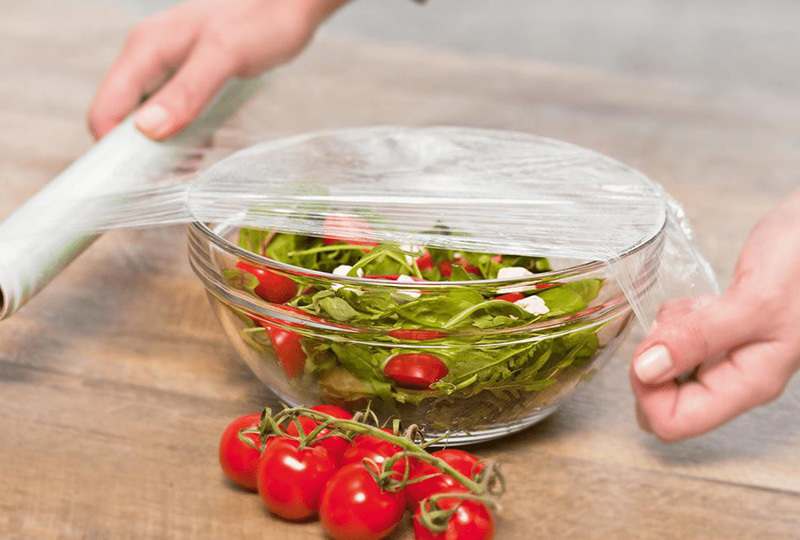
What are the characteristics of PVC fresh-keeping film for food preservation

Can PVC plastic wrap be heated in a microwave oven?
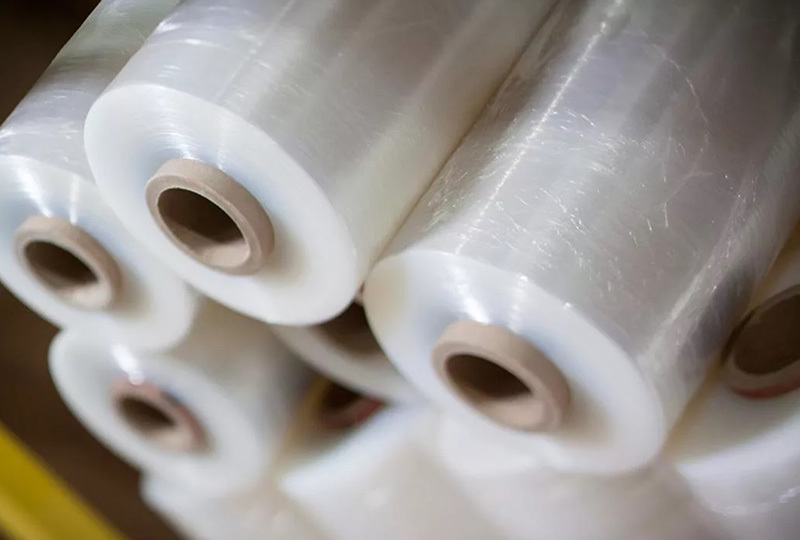
What is the difference between PVC cling film and PE cling film
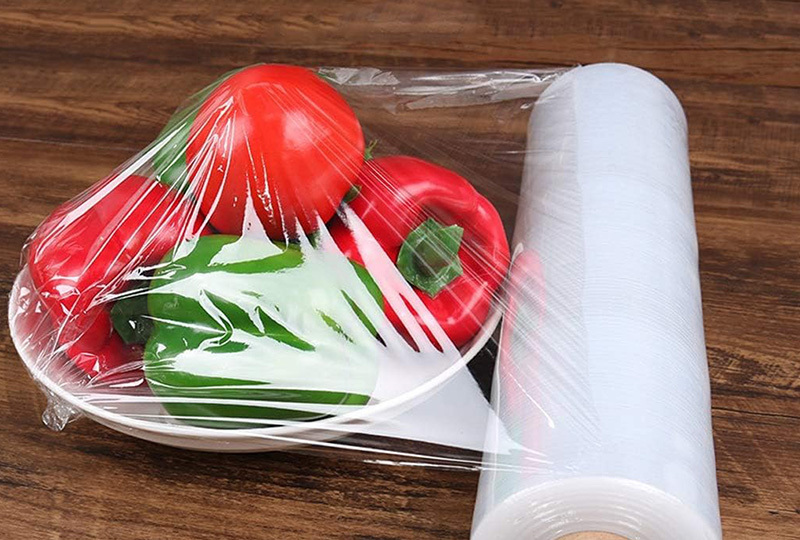
The choice of PVC cling film need to pay attention to what

Professional Cling Film Manufacturer
Address: No.3 Jiefang road (east) Cangzhou Economy Development Zone, Cangzhou City, Hebei province, China.
Please leave your email, we will contact you as soon as possible, thank you!