

Understanding the Quality Standards of Industrial Cling Film Exporters
Release time:
Oct 24,2025
Understanding the Quality Standards of Industrial Cling Film Exporters Table of Contents Introduction to Industrial Cling Film Standards The Importance of Quality Standards for Cling Film Key Materials Used in Industrial Cling Films Global Regulations Governing Cling Film Testing Methods for Quality Assurance How to Select Reliable Industrial Cling Film Exporters Sustainability in C
Understanding the Quality Standards of Industrial Cling Film Exporters
Table of Contents
- Introduction to Industrial Cling Film Standards
- The Importance of Quality Standards for Cling Film
- Key Materials Used in Industrial Cling Films
- Global Regulations Governing Cling Film
- Testing Methods for Quality Assurance
- How to Select Reliable Industrial Cling Film Exporters
- Sustainability in Cling Film Production
- The Future of Cling Film Standards and Innovations
- Frequently Asked Questions
- Conclusion
Introduction to Industrial Cling Film Standards
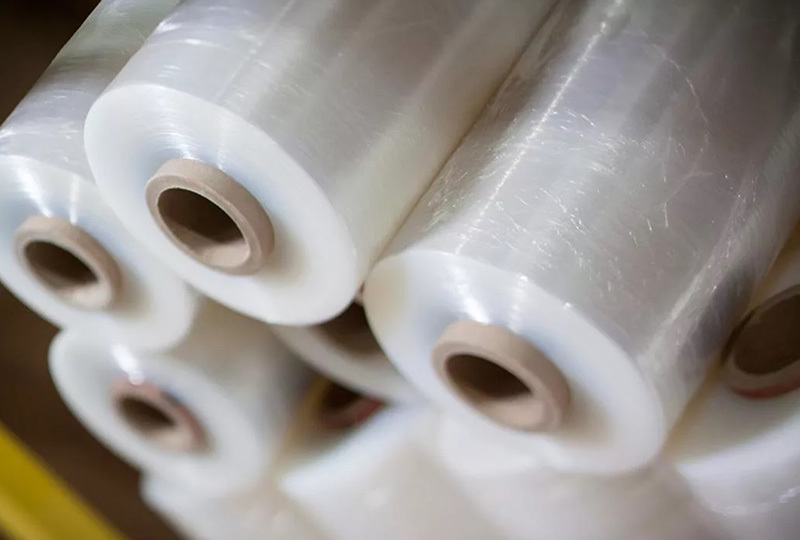
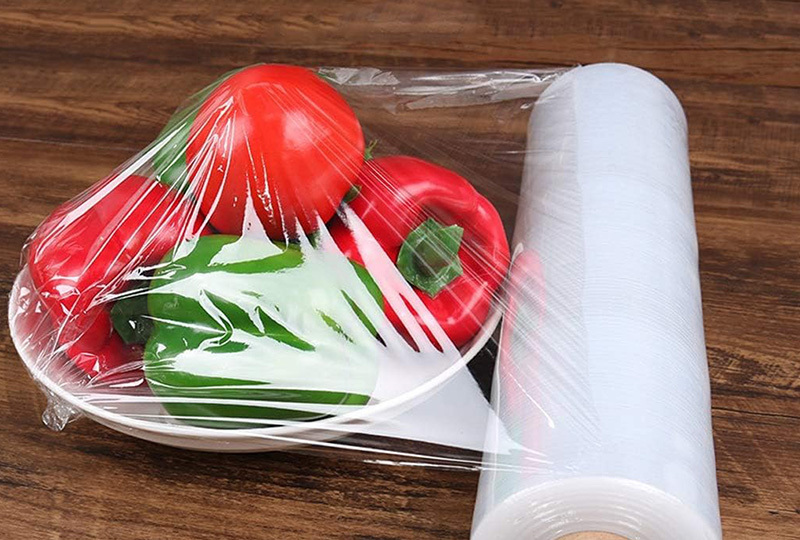
Cling films, often referred to as plastic wraps, play a vital role in the industrial sector, particularly in food packaging and preservation. Understanding the quality standards associated with these products is crucial for exporters, manufacturers, and end-users alike. This article aims to provide an extensive overview of the essential quality standards governing industrial cling film exporters, ensuring that businesses can make informed decisions and maintain high-quality packaging solutions.
The Importance of Quality Standards for Cling Film
Quality standards for cling films are critical for various reasons, including:
1. Product Safety
Industrial cling films must meet safety regulations to ensure that they do not leach harmful substances into food products. Adhering to quality standards helps prevent health risks associated with the use of subpar materials.
2. Performance and Durability
High-quality cling films provide optimal cling, stretch, and durability. These characteristics are essential for effective packaging, ensuring products remain fresh and protected during transport and storage.
3. Compliance and Market Acceptance
Exporters must comply with international and national standards to gain market acceptance. Understanding these quality requirements can streamline the export process and enhance the reputation of manufacturers.
Key Materials Used in Industrial Cling Films
The materials used in manufacturing cling films significantly impact their quality and performance. Here are the primary materials involved:
1. Polyethylene (PE)
Polyethylene is the most common material used for cling films due to its excellent flexibility, strength, and clarity. Low-density polyethylene (LDPE) and linear low-density polyethylene (LLDPE) are often utilized for their superior cling properties.
2. Polyvinyl Chloride (PVC)
PVC cling films are another popular choice, known for their strong barrier properties and durability. However, due to regulatory concerns regarding plasticizers, their use is declining in favor of more eco-friendly alternatives.
3. Polypropylene (PP)
Polypropylene films offer high clarity and are resistant to chemicals and moisture. Although less common than PE and PVC, they are increasingly favored for specific applications due to their superior performance under challenging conditions.
Global Regulations Governing Cling Film
Compliance with specific regulations is paramount for cling film exporters. Various international bodies and national agencies set these standards, including:
1. Food and Drug Administration (FDA)
In the United States, the FDA regulates food contact materials, including cling films, ensuring they are safe for use and do not contaminate food.
2. European Food Safety Authority (EFSA)
The EFSA oversees the safety of food contact materials within the EU, providing guidelines that cling film exporters must adhere to when marketing their products in European markets.
3. Global Harmonization Task Force (GHTF)
The GHTF aims to harmonize medical device regulations globally, which indirectly influences cling film standards used in medical packaging.
Testing Methods for Quality Assurance
Quality assurance testing is essential to ensure cling films meet the necessary standards. Key testing methods include:
1. Thickness Testing
Measuring the thickness of cling films ensures consistency and performance. Manufacturers must adhere to specified thickness standards to maintain product quality.
2. Tensile Strength Testing
This test evaluates the film's resistance to stretching and breaking under tension, ensuring that it can withstand the rigors of packaging and transportation.
3. Cling Force Testing
Cling films must exhibit adequate cling force to secure products effectively. Testing methods assess the cling strength under various conditions to ensure optimal performance.
How to Select Reliable Industrial Cling Film Exporters
Choosing the right industrial cling film exporter is crucial for businesses looking to maintain high-quality packaging solutions. Here are some factors to consider:
1. Certifications and Compliance
Ensure that the exporter holds relevant certifications, such as ISO and FDA compliance. This indicates adherence to quality standards and regulatory requirements.
2. Reputation and Experience
Research the exporter’s reputation within the industry. Consider their years of experience and customer testimonials to gauge reliability and product quality.
3. Product Range and Custom Solutions
Select an exporter that offers a diverse range of cling films and can accommodate customized solutions tailored to specific business needs. Flexibility in product offerings often indicates a commitment to customer satisfaction.
Sustainability in Cling Film Production
Sustainability is becoming increasingly important in the manufacturing of cling films. As consumers demand more eco-friendly products, exporters must adapt to changing market dynamics by considering:
1. Biodegradable Materials
The use of biodegradable alternatives, such as plant-based films, is gaining traction. These materials offer similar performance without the environmental impact associated with traditional plastics.
2. Recycling Initiatives
Implementing recycling programs and using recycled materials in production can significantly reduce environmental footprints. Exporters should highlight their sustainability efforts to appeal to eco-conscious consumers.
3. Reducing Packaging Waste
Innovative packaging solutions that minimize waste, such as smaller roll sizes or adjustable lengths, can enhance sustainability in cling film production.
The Future of Cling Film Standards and Innovations
As technology continues to advance, the future of cling film standards holds great promise. Key areas of innovation include:
1. Smart Packaging Solutions
Emerging technologies, such as smart packaging, enable cling films to incorporate sensors that monitor freshness and quality, providing real-time data to users.
2. Enhanced Barrier Properties
Future developments may lead to cling films with improved barrier properties, extending shelf life and reducing food waste.
3. Global Standardization
Efforts towards global standardization of cling film quality and safety standards may facilitate smoother trade and enhance consumer protection worldwide.
Frequently Asked Questions
1. What are the main quality standards for cling films?
Quality standards for cling films primarily include safety regulations from organizations such as the FDA and EFSA, focusing on material safety and performance specifications.
2. How can I determine the quality of cling film?
Assess cling film quality by considering material composition, thickness, tensile strength, and any relevant certifications from recognized regulatory bodies.
3. Are there eco-friendly cling film options available?
Yes, there are biodegradable options and cling films made from recycled materials that reduce environmental impact while maintaining performance.
4. What should I look for when selecting a cling film exporter?
Look for exporters with relevant certifications, a strong reputation, diverse product offerings, and the ability to provide customized solutions.
5. How do cling films contribute to food safety?
Cling films help maintain food safety by providing a barrier against contaminants, preserving freshness, and ensuring that no harmful substances leach into food products.
Conclusion
Understanding the quality standards of industrial cling film exporters is essential for anyone involved in the packaging industry. By focusing on materials, regulations, testing, and selecting reliable exporters, businesses can ensure the safety and effectiveness of their cling films. As sustainability becomes increasingly important, the future promises exciting innovations that will further enhance cling film quality and performance. Staying informed about these developments will position businesses for success in a competitive marketplace.
Related News

What are the characteristics of PVC fresh-keeping film for food preservation

Can PVC plastic wrap be heated in a microwave oven?
What is the difference between PVC cling film and PE cling film
The choice of PVC cling film need to pay attention to what

Professional Cling Film Manufacturer
Address: No.3 Jiefang road (east) Cangzhou Economy Development Zone, Cangzhou City, Hebei province, China.
Please leave your email, we will contact you as soon as possible, thank you!