

How to Use PVC Cling Film to Keep Your Produce Fresh
Release time:
Nov 13,2025
How to Use PVC Cling Film to Keep Your Produce Fresh Introduction to PVC Cling Film and Its Benefits PVC cling film has become a staple in kitchens worldwide, primarily due to its ability to preserve food freshness. **By wrapping fruits and vegetables in PVC cling film**, we can significantly extend their shelf life, retain moisture, and prevent exposure to air, which can lead to spoilage. But how
How to Use PVC Cling Film to Keep Your Produce Fresh
Introduction to PVC Cling Film and Its Benefits
PVC cling film has become a staple in kitchens worldwide, primarily due to its ability to preserve food freshness. **By wrapping fruits and vegetables in PVC cling film**, we can significantly extend their shelf life, retain moisture, and prevent exposure to air, which can lead to spoilage. But how exactly does cling film work, and what are the best practices for utilizing it with your produce?
In this article, we will explore the importance of PVC cling film in maintaining the freshness of your produce and provide practical tips on its effective use.
Understanding the Composition of PVC Cling Film
What is PVC Cling Film Made Of?
Polyvinyl chloride (PVC) is a type of plastic that is both durable and flexible. **The film's composition allows it to cling tightly to food surfaces**, creating an airtight seal that limits exposure to air and moisture. This is crucial for produce, which tends to lose its freshness rapidly due to oxidation.
Why Choose PVC Cling Film Over Other Wrapping Materials?
While there are several food wrapping materials available, PVC cling film stands out for various reasons:
1. **Superior Cling:** PVC cling film adheres tightly to food items, ensuring minimal air exchange.
2. **Transparency:** The transparent nature allows you to see the contents without unwrapping.
3. **Moisture Retention:** It helps maintain the moisture levels of fruits and vegetables, preventing wilting.
4. **Versatility:** Suitable for various food types, not just produce.
How to Properly Use PVC Cling Film for Your Produce
1. Preparing Your Produce
Before wrapping your fruits and vegetables, proper preparation is essential:
- **Wash and Dry:** Rinse your produce thoroughly to remove dirt and pesticides, then dry them completely. Excess moisture can lead to mold growth.
- **Trim Unnecessary Parts:** Remove any damaged or wilted parts of the produce, as these can accelerate spoilage.
2. Wrapping Techniques
To ensure your produce remains fresh, follow these wrapping techniques:
Using the Right Amount of Cling Film
- Cut sufficient length: A piece about 12-15 inches long is generally adequate for most fruits and vegetables.
- Avoid overwrapping: Excess film can lead to air pockets, negating the effectiveness of the cling film.
Sealing the Edges
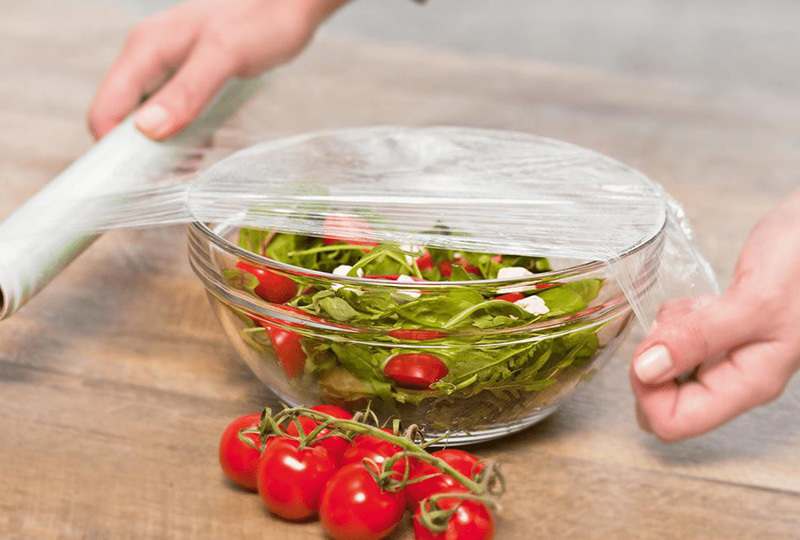
- Press the film down gently around the produce to remove air pockets.
- Ensure a snug fit by stretching the cling film slightly to create an airtight seal.
3. Storing Your Wrapped Produce
Once wrapped, proper storage is key to maximizing freshness:
- **Refrigeration:** Most fruits and vegetables benefit from being stored in the refrigerator. However, certain items like bananas and tomatoes should be stored at room temperature until ripened.
- **Organize Your Fridge:** Keep wrapped produce in the crisper drawer to maintain optimal humidity levels.
Best Practices for Specific Types of Produce
Different fruits and vegetables have unique needs when it comes to preservation. Here are some specific recommendations:
Leafy Greens
Wrap leafy greens like spinach and lettuce loosely in PVC cling film. This helps retain moisture while preventing the greens from getting crushed.
Berries
For berries such as strawberries and blueberries, ensure they are dry before wrapping. **Use a shallow container lined with cling film** for optimal freshness, allowing air circulation while protecting them from moisture.
Citrus Fruits
Citrus fruits like oranges and lemons can be wrapped individually. **This prevents them from drying out and maintains their juiciness**.
Root Vegetables
Root vegetables such as carrots and potatoes can be stored wrapped in cling film but should be kept in a cool, dark place to prevent sprouting.
Environmental Considerations of Using PVC Cling Film
While PVC cling film is great for food preservation, it also raises environmental concerns. Here are some considerations and alternatives:
The Environmental Impact of PVC
PVC is not biodegradable, leading to increased plastic waste. As consumers, we must weigh the benefits against the ecological footprint.
Alternatives to PVC Cling Film
Consider using:
- **Beeswax Wraps:** An eco-friendly alternative that can be reused.
- **Silicone Food Covers:** Reusable covers that fit various food shapes.
- **Glass Containers:** A sustainable option for storing food without plastic.
FAQs About Using PVC Cling Film for Produce Preservation
1. Can I use PVC cling film in the microwave?
No, PVC cling film is not microwave-safe. It can release harmful chemicals when heated. Use microwave-safe alternatives instead.
2. How long can I store produce wrapped in PVC cling film?
This depends on the type of produce. Generally, wrapped fruits and vegetables can last anywhere from a few days to a couple of weeks in the refrigerator.
3. Does PVC cling film contain harmful chemicals?
While PVC cling film is deemed safe for food use, there are concerns about chemical leaching. Always check for FDA-approved products and avoid heating them.
4. Can I reuse PVC cling film?
Reusing cling film is not recommended due to hygiene concerns. Always use a fresh piece for each new wrapping.
5. What happens if I don’t wrap my produce?
Unwrapped produce is more susceptible to drying out, absorbing odors from other foods, and spoiling quickly due to air exposure.
Conclusion
Utilizing PVC cling film effectively can significantly enhance the freshness and longevity of your produce. By following the techniques and tips outlined in this guide, you can enjoy crisp, delicious fruits and vegetables for longer periods. While being mindful of environmental concerns, consider sustainable alternatives where applicable. With the right practices in place, your kitchen can be a hub of freshness, leading to healthier meals and reduced food waste. Embrace the power of PVC cling film and transform the way you store your food!
Related News
What are the characteristics of PVC fresh-keeping film for food preservation

Can PVC plastic wrap be heated in a microwave oven?
What is the difference between PVC cling film and PE cling film
The choice of PVC cling film need to pay attention to what

Professional Cling Film Manufacturer
Address: No.3 Jiefang road (east) Cangzhou Economy Development Zone, Cangzhou City, Hebei province, China.
Please leave your email, we will contact you as soon as possible, thank you!