

The Best Uses for PVC Cling Film in a Busy Kitchen
Release time:
Nov 21,2025
The Best Uses for PVC Cling Film in a Busy Kitchen In the fast-paced environment of a busy kitchen, efficiency and organization are key to maintaining a smooth workflow. One often-overlooked kitchen ally is **PVC cling film**. This versatile wrap is more than just a food cover; it offers a plethora of uses that can enhance your cooking and food storage experience. In this article, we will explor
The Best Uses for PVC Cling Film in a Busy Kitchen
In the fast-paced environment of a busy kitchen, efficiency and organization are key to maintaining a smooth workflow. One often-overlooked kitchen ally is **PVC cling film**. This versatile wrap is more than just a food cover; it offers a plethora of uses that can enhance your cooking and food storage experience. In this article, we will explore the best applications of PVC cling film, providing you with practical tips and tricks to incorporate it into your daily kitchen routine.
Understanding PVC Cling Film: What It Is and Why It Matters
Before diving into the myriad uses of PVC cling film, it’s essential to understand what it is. PVC, or polyvinyl chloride, is a synthetic plastic polymer commonly used for packaging and wrapping food items. Its unique properties allow it to cling tightly to surfaces, creating an airtight seal that helps preserve the freshness of food.
Key Properties of PVC Cling Film
- Clinginess: The inherent tackiness of PVC cling film ensures it adheres well to various surfaces, making it ideal for wrapping food items.
- Transparency: Its clear design allows you to see the contents without needing to unwrap, making it a convenient choice for quick identification.
- Flexibility: The film can conform to different shapes, allowing it to wrap around odd-shaped containers and leftovers easily.
Top Uses for PVC Cling Film in the Kitchen
1. Food Preservation: Keeping Your Leftovers Fresh
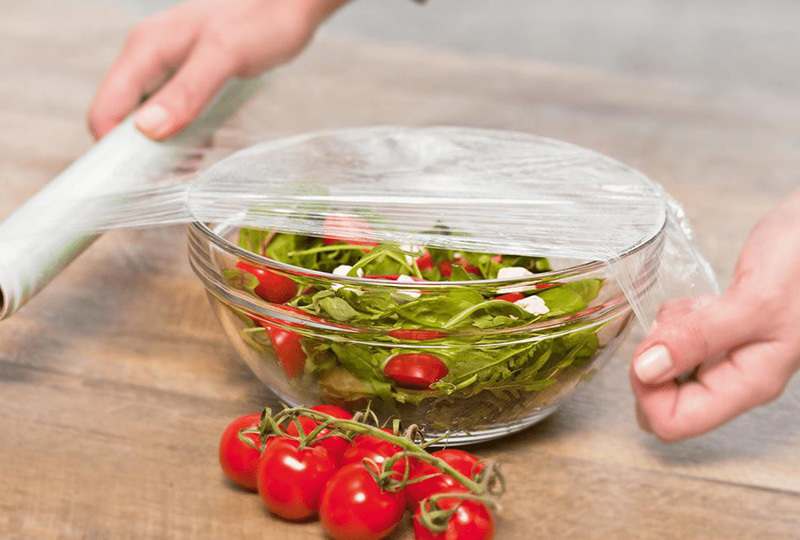
One of the primary uses of PVC cling film is for food preservation. After preparing a meal, wrapping leftovers tightly in cling film can prevent air exposure, thereby keeping them fresh longer. The airtight seal helps inhibit the growth of bacteria, extending the shelf life of your food.
How to Properly Wrap Leftovers
To maximize the effectiveness of cling film:
- Ensure the food is cooled to room temperature before wrapping to prevent condensation.
- Wrap the food tightly, pressing the film against the surface to eliminate air pockets.
- If using a bowl, cover it completely with cling film, pressing down the edges to create a seal.
2. Marinating Meats and Vegetables
PVC cling film is also an excellent tool for marinating meats and vegetables. The film allows you to seal the marinating ingredients tightly, ensuring that the flavors penetrate the food effectively.
Marination Tips
To achieve optimal results:
- Place your meat or vegetables in a bowl and pour the marinade over them.
- Cover the bowl tightly with cling film, ensuring it is sealed to prevent leaks.
- Refrigerate for the recommended time, allowing the flavors to meld.
3. Preventing Pests and Contamination
In a busy kitchen, keeping food safe from pests and contamination is crucial. PVC cling film can act as a barrier, shielding your food from unwanted intruders.
Effective Coverage Techniques
When wrapping food items:
- Cover exposed foods like fruits and snacks to deter insects.
- Seal dishes containing uncooked ingredients to avoid cross-contamination.
4. Easy Cleanup for Mixing Bowls
Cleaning can often become a tedious task in the kitchen. A simple solution is to line your mixing bowls with PVC cling film before adding ingredients. This method allows for easier cleanup afterward.
Implementation
To use cling film for mixing bowls:
- Line the bowl with cling film, leaving extra hanging over the edges.
- Add your ingredients and mix as desired.
- Once finished, simply lift the cling film and dispose of it, leaving the bowl clean.
5. Crafting Custom Food Packs for Meal Prep
Meal prepping has become increasingly popular among busy individuals. PVC cling film can assist in creating custom food packs that are easy to store and transport.
Creating Meal Packs
To prepare your meal packs:
- Portion out your meals into desired servings.
- Wrap each portion tightly in cling film, ensuring it is sealed.
- Label each pack with the contents and date for easy identification.
6. Wrapping Sandwiches and Snacks for On-the-Go
PVC cling film is perfect for wrapping sandwiches and snacks for easy transport. It keeps your food fresh and secure, making it ideal for lunches and picnics.
How to Wrap Sandwiches
To wrap your sandwiches effectively:
- Place the sandwich in the center of a sheet of cling film.
- Fold the sides over the sandwich, then roll it up tightly, ensuring it is sealed.
7. Protecting Food During Cooking
During cooking, PVC cling film can be used to cover dishes to prevent splatters in the microwave or oven.
Effective Use in Cooking
To protect your food:
- Cover bowls or plates with cling film before microwaving, leaving a small corner open for steam to escape.
- Wrap food items before placing them in the oven to keep moisture in.
8. Storing Fresh Produce
Fruits and vegetables can spoil quickly if not stored properly. PVC cling film can help extend their freshness by creating a protective environment.
Best Practices for Storing Produce
When using cling film for produce:
- Wrap individual items like bananas or avocados to prevent browning.
- Store cut vegetables in airtight containers covered with cling film to maintain crispness.
Frequently Asked Questions (FAQs)
1. Can I use PVC cling film in the microwave?
Yes, PVC cling film can be used in the microwave, but ensure that it is microwave-safe and leave a small opening for steam to escape to prevent it from melting.
2. Is PVC cling film safe for food storage?
When used appropriately, PVC cling film is safe for food storage. However, avoid direct contact with hot foods or foods that will be frozen for long periods, as it may affect the quality.
3. Can cling film help in preventing food spoilage?
Absolutely! PVC cling film creates an airtight seal that helps reduce exposure to air and moisture, significantly slowing down the spoilage process.
4. How can I recycle PVC cling film?
While PVC cling film is not widely recyclable, you can check with your local recycling program. Some facilities accept plastics numbered 1 or 2, but cling film is often not included.
5. Are there alternatives to PVC cling film?
Yes, alternatives like beeswax wraps, silicone lids, and reusable food storage bags can provide similar benefits without the environmental impact of single-use plastics.
Conclusion
PVC cling film is a valuable tool in a busy kitchen, offering versatility and practicality for various tasks. From preserving leftovers and marinating foods to facilitating meal prep and preventing contamination, its applications are vast. By incorporating PVC cling film into your kitchen routine, you can enhance efficiency, improve food storage, and simplify cleanup. As you explore its many uses, you'll discover that this simple kitchen staple can truly make a significant difference in your culinary experience.
Related News
What are the characteristics of PVC fresh-keeping film for food preservation

Can PVC plastic wrap be heated in a microwave oven?
What is the difference between PVC cling film and PE cling film
The choice of PVC cling film need to pay attention to what

Professional Cling Film Manufacturer
Address: No.3 Jiefang road (east) Cangzhou Economy Development Zone, Cangzhou City, Hebei province, China.
Please leave your email, we will contact you as soon as possible, thank you!