

Why Choosing Eco Friendly Cling Film is a Sustainable Choice
Release time:
Nov 25,2025
Why Choosing Eco Friendly Cling Film is a Sustainable Choice Table of Contents Introduction to Eco-Friendly Cling Film What is Eco-Friendly Cling Film? Benefits of Eco-Friendly Cling Film Environmental Impact of Traditional Cling Film How Eco-Friendly Cling Film Works Applications of Eco-Friendly Cling Film Choosing the Right Eco-Friendly Cling Film Consumer Awaren
Why Choosing Eco Friendly Cling Film is a Sustainable Choice
Table of Contents
- Introduction to Eco-Friendly Cling Film
- What is Eco-Friendly Cling Film?
- Benefits of Eco-Friendly Cling Film
- Environmental Impact of Traditional Cling Film
- How Eco-Friendly Cling Film Works
- Applications of Eco-Friendly Cling Film
- Choosing the Right Eco-Friendly Cling Film
- Consumer Awareness and Responsibility
- Conclusion
- Frequently Asked Questions
Introduction to Eco-Friendly Cling Film
In an era where sustainability is at the forefront of consumer consciousness, **eco-friendly cling film** is garnering attention as an innovative packaging solution. This product is not just about preserving food; it represents a significant shift towards sustainable practices in our daily lives. By making informed choices, we contribute to a healthier planet and promote an eco-conscious lifestyle.
What is Eco-Friendly Cling Film?
Eco-friendly cling film is a biodegradable alternative to traditional plastic wrap, designed with the environment in mind. Made from renewable resources such as plant-based materials, it breaks down more easily compared to conventional cling films that contribute to landfill waste. This product excels in functionality while minimizing its carbon footprint, making it a popular choice among environmentally-conscious consumers.
Types of Eco-Friendly Cling Film
There are several types of eco-friendly cling films available on the market, each offering unique attributes:
- Compostable Films: These films can break down into natural elements in composting conditions.
- Biodegradable Films: Made from materials that decompose over time, these films require specific conditions to break down effectively.
- Recycled Plastic Films: Utilizing recycled materials reduces the need for new plastic production, therefore lowering the environmental impact.
Benefits of Eco-Friendly Cling Film
The advantages of using eco-friendly cling film extend beyond simple packaging solutions. Here are the primary benefits:
1. Environmental Conservation
By opting for eco-friendly cling film, individuals contribute to the reduction of plastic waste, promoting a cleaner and healthier environment. Traditional plastic wrap can take hundreds of years to decompose, while biodegradable options offer a more sustainable alternative.
2. Healthier Food Preservation
Eco-friendly cling film is often made from non-toxic materials, making it safer for food storage. Unlike traditional plastic wraps that can leach harmful chemicals into food, sustainable cling films prioritize food safety.
3. Versatile Uses
Eco-friendly cling films are not only suitable for food storage but can also be used for wrapping gifts, covering bowls, and even protecting items during storage. Their versatility makes them a practical choice for various applications.
4. Supporting Sustainable Practices
Purchasing eco-friendly products supports companies that prioritize sustainability and ethical practices, fostering a market that encourages environmental responsibility.
5. Economic Benefits
Although eco-friendly cling film may have a higher upfront cost, its durability can result in savings over time. Many biodegradable options are designed to be reusable, making them a cost-effective choice for long-term use.
Environmental Impact of Traditional Cling Film
Understanding the impact of traditional cling film is crucial in appreciating the shift towards eco-friendly alternatives. Conventional cling film is typically made from PVC or polyethylene, both of which contribute to environmental degradation.
Plastic Pollution Crisis
Over 300 million tons of plastic are produced each year, with a significant portion ending up in oceans and landfills. Traditional cling films contribute to this crisis, taking centuries to decompose while harming marine life and wildlife.
Carbon Footprint
The production of conventional cling film requires energy-intensive processes, leading to higher carbon emissions. In contrast, eco-friendly cling films made from renewable resources have a significantly lower carbon footprint.
How Eco-Friendly Cling Film Works
Eco-friendly cling films utilize advanced technology to ensure they perform effectively while remaining sustainable. Here’s how they function:
Materials Used
Eco-friendly cling films are made from materials like cornstarch or cellulose, both of which are renewable. These materials are processed to create a film that clings effectively to surfaces, providing the same functionality as traditional plastic wraps without the environmental impact.
Decomposition Process
When disposed of, eco-friendly cling films break down in compost or landfills under appropriate conditions. They decompose into organic matter, enriching the soil rather than polluting our environment.
Applications of Eco-Friendly Cling Film
The versatility of eco-friendly cling film makes it suitable for various applications across different sectors:
1. Culinary Uses
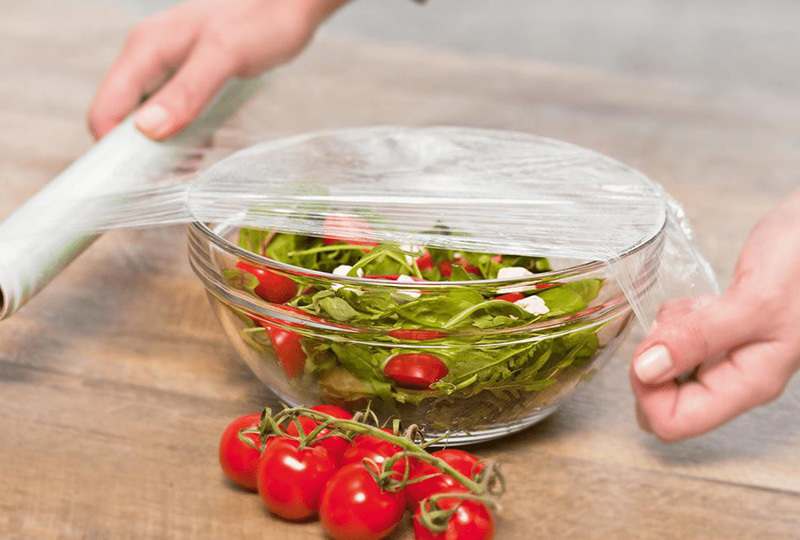
In kitchens, eco-friendly cling film is perfect for wrapping leftovers, covering dishes, and even marinating foods. Its ability to retain moisture and freshness makes it a staple for home chefs.
2. Food Industry
Restaurants and food manufacturers are increasingly adopting eco-friendly cling films to package products, demonstrating a commitment to sustainability and appealing to eco-conscious consumers.
3. Crafting and Gifts
Eco-friendly cling film can also be employed in crafting and gift wrapping, providing an attractive and sustainable option for environmentally-aware consumers.
Choosing the Right Eco-Friendly Cling Film
When selecting eco-friendly cling film, consider the following factors to ensure you make the best choice for your needs:
1. Material Composition
Look for cling films made from renewable materials such as cornstarch or cellulose. Ensure the product is certified biodegradable or compostable.
2. Functionality
Evaluate the cling film’s ability to cling securely to food containers and its effectiveness in preserving freshness.
3. Certifications
Check for certifications from recognized environmental organizations that indicate the product meets sustainability standards.
Consumer Awareness and Responsibility
As consumers, we have the power to drive change by choosing products that reflect our values. By opting for eco-friendly cling film, we not only reduce our environmental footprint but also encourage manufacturers to adopt sustainable practices.
1. Educate Yourself
Stay informed about the environmental impacts of packaging materials and the benefits of sustainable options. Knowledge empowers better decision-making.
2. Advocate for Change
Support businesses that prioritize sustainability and advocate for eco-friendly practices within your community.
3. Reduce, Reuse, and Recycle
Incorporating sustainable practices into your lifestyle, such as reducing waste and reusing materials, can significantly impact the environment positively.
Conclusion
Choosing eco-friendly cling film is not just an environmentally responsible decision; it's a necessary step towards a sustainable future. As we become more aware of the consequences of our actions, opting for products that prioritize sustainability is essential. Eco-friendly cling film offers numerous benefits, from preserving food safely to reducing plastic pollution. By making informed choices, we can collectively contribute to a greener planet.
Frequently Asked Questions
1. Is eco-friendly cling film safe for food storage?
Yes, eco-friendly cling films are typically made from non-toxic materials and are safe for food storage.
2. How long does eco-friendly cling film take to decompose?
The decomposition time varies based on the type of eco-friendly cling film and the conditions in which it is disposed of, but it generally takes a few months to a few years.
3. Can I use eco-friendly cling film in the microwave?
Always check the product's packaging for specific instructions, as some eco-friendly cling films are designed to be microwave-safe, while others may not be.
4. How can I properly dispose of eco-friendly cling film?
Eco-friendly cling films can be disposed of in compostable waste if they are certified compostable; otherwise, they may be placed in general waste.
5. Are there any brands that specialize in eco-friendly cling film?
Yes, several brands focus on sustainable packaging solutions, so it’s beneficial to research and choose those that align with your values.
Related News
What are the characteristics of PVC fresh-keeping film for food preservation

Can PVC plastic wrap be heated in a microwave oven?
What is the difference between PVC cling film and PE cling film
The choice of PVC cling film need to pay attention to what

Professional Cling Film Manufacturer
Address: No.3 Jiefang road (east) Cangzhou Economy Development Zone, Cangzhou City, Hebei province, China.
Please leave your email, we will contact you as soon as possible, thank you!