

The Versatility and Applications of PVC Food Wrapping Film in Packaging
Release time:
Nov 26,2025
In the packaging and printing supplies industry, PVC food wrapping film is a crucial component, widely utilized for preserving food freshness and extending shelf life. This transparent plastic film is primarily made from polyvinyl chloride (PVC) and is appreciated for its durability, flexibility, and resistance to moisture and air. These properties make it an excellent choice for wrapping various
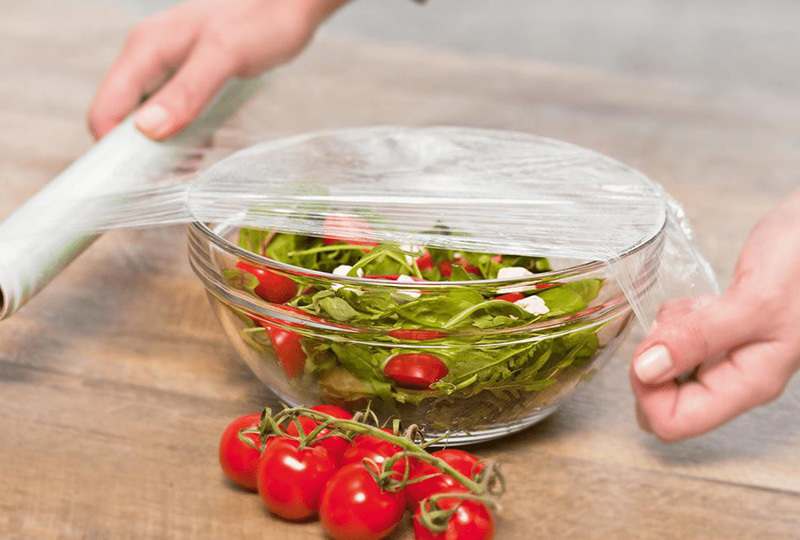
One of the key advantages of PVC food wrapping film is its excellent cling properties. The film adheres to itself and various surfaces, creating a secure seal that helps to minimize exposure to air and bacterial contamination. This is particularly beneficial in commercial food preparation environments where hygiene is paramount. Restaurants and foodservice establishments often rely on PVC film to keep ingredients fresh and ready for use, significantly reducing food waste.
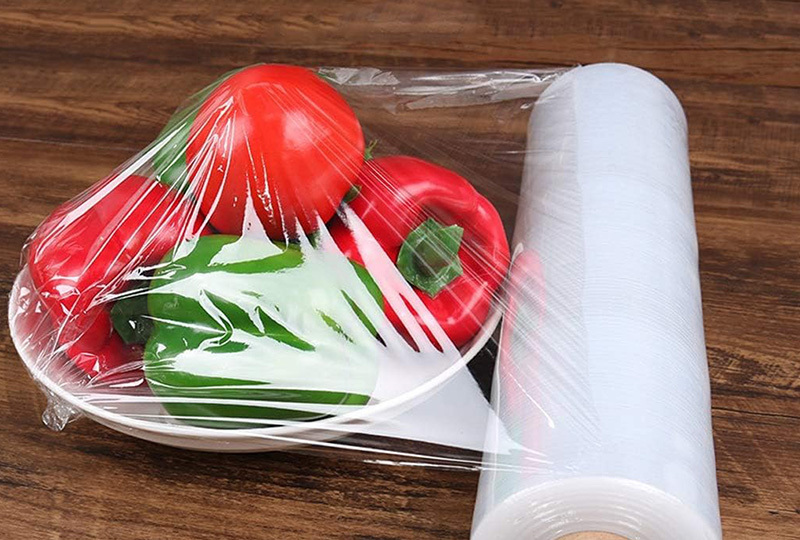
Another important feature of PVC food wrapping film is its low permeability to gases. This characteristic helps to maintain the quality and flavor of food, preventing oxidation and spoilage. As a result, it is frequently used for wrapping meats, cheeses, fruits, and vegetables. Additionally, the film is often employed in households, allowing consumers to store leftovers or prepped meals conveniently, thereby increasing efficiency in kitchen operations.
From a printing and labeling perspective, PVC food wrapping film offers an excellent surface for branding and product information. Many manufacturers take advantage of this by printing directly on the film, allowing for colorful designs and clear labeling. This not only enhances the visual appeal of the product but also provides essential information to consumers, such as nutritional facts and cooking instructions.
However, it is crucial to consider the environmental implications of using PVC. While it is widely used, the recycling and environmental impact of PVC materials can be contentious. When utilizing PVC food wrapping film, businesses are encouraged to implement waste reduction strategies and consider alternatives, such as biodegradable or compostable films, where feasible. Increasing consumer awareness around sustainability is pushing the industry to innovate and explore eco-friendlier packaging solutions.
In conclusion, PVC food wrapping film remains a staple in the packaging industry due to its versatility and effectiveness in preserving food. As trends in sustainability continue to evolve, it is essential for businesses to stay informed about both the benefits and challenges of using PVC materials while exploring innovative alternatives to meet consumer demands and regulatory requirements. By doing so, companies can enhance their product offerings while contributing to a more sustainable future in packaging.
Related News
What are the characteristics of PVC fresh-keeping film for food preservation

Can PVC plastic wrap be heated in a microwave oven?
What is the difference between PVC cling film and PE cling film
The choice of PVC cling film need to pay attention to what

Professional Cling Film Manufacturer
Address: No.3 Jiefang road (east) Cangzhou Economy Development Zone, Cangzhou City, Hebei province, China.
Please leave your email, we will contact you as soon as possible, thank you!