

The Ultimate Guide to Choosing the Right PVC Wrap Film for Your Needs
Release time:
Nov 27,2025
The Ultimate Guide to Choosing the Right PVC Wrap Film for Your Needs Table of Contents Understanding PVC Wrap Film Benefits of Using PVC Wrap Film Different Types of PVC Wrap Film Key Features to Consider When Choosing PVC Wrap Film How to Measure Your PVC Wrap Film Needs Applications of PVC Wrap Film Sustainability in PVC Wrap Films Frequently Asked Questions
The Ultimate Guide to Choosing the Right PVC Wrap Film for Your Needs
Table of Contents
- Understanding PVC Wrap Film
- Benefits of Using PVC Wrap Film
- Different Types of PVC Wrap Film
- Key Features to Consider When Choosing PVC Wrap Film
- How to Measure Your PVC Wrap Film Needs
- Applications of PVC Wrap Film
- Sustainability in PVC Wrap Films
- Frequently Asked Questions
- Conclusion
Understanding PVC Wrap Film
PVC wrap film, short for Polyvinyl Chloride wrap film, is a widely used packaging solution known for its versatility and durability. It is commonly utilized in various industries, including food service, retail, and manufacturing. The film's ability to secure, preserve, and present products effectively makes it a preferred choice for many businesses. Understanding the material properties and applications of PVC wrap film is crucial for making an informed decision.
What is PVC and How is it Manufactured?
Polyvinyl Chloride, or PVC, is a synthetic plastic polymer. The manufacturing process involves polymerizing vinyl chloride monomers. The result is a resilient material that can be produced in various thicknesses and forms. This flexibility allows manufacturers to tailor the properties of PVC wrap film to fit specific needs, such as stretchability, clarity, and barrier protection.
Why is PVC Wrap Film Popular?
The popularity of PVC wrap film stems from its excellent sealing capabilities and resistance to moisture, air, and grease. This makes it particularly suitable for food packaging, where maintaining freshness is essential. Additionally, its clear visibility allows consumers to see the product inside, enhancing its appeal.
Benefits of Using PVC Wrap Film
Choosing PVC wrap film provides numerous advantages that can significantly impact your packaging strategy. Below are some of the key benefits:
1. Superior Stretchability
PVC wrap film offers exceptional stretchability, ensuring a tight fit around various products. This feature minimizes the chances of product spoilage and enhances shelf life.
2. Strong Barrier Properties
One of the standout attributes of PVC wrap film is its ability to create a barrier against environmental factors. It effectively resists moisture, oxygen, and contaminants, keeping the packaging secure and fresh.
3. Clarity and Presentation
The transparency of PVC wrap film allows for high visibility of the packaged product, making it an excellent choice for retail settings. Products wrapped in clear PVC are more likely to attract consumers' attention.
4. Cost-Effectiveness
When compared to other packaging materials, PVC wrap film is generally more affordable while providing high-quality performance. It offers a cost-effective solution without compromising on quality.
5. Versatile Applications
This film is not limited to food packaging; its application extends to various industries, including pharmaceuticals, cosmetics, and industrial products, making it a versatile choice for manufacturers.
Different Types of PVC Wrap Film
Understanding the different types of PVC wrap films available on the market is essential for selecting the right product for your specific needs. Here are some of the common types:
1. Standard PVC Wrap Film
This is the most widely used type of PVC wrap film. It is flexible, easy to use, and provides excellent protection for a variety of products.
2. Food-Grade PVC Wrap Film
Designed specifically for food packaging, this type of film complies with health standards and is safe for direct contact with food items. It offers extra barrier protection to preserve freshness.
3. Heavy-Duty PVC Wrap Film
For industrial applications, heavy-duty PVC wrap film provides enhanced thickness and durability, making it ideal for wrapping bulk items or products that require additional protection during transport.
4. Specialty PVC Wrap Film
Some PVC wrap films are designed with specific features, such as anti-static properties or UV resistance. These specialty films cater to niche markets and unique packaging requirements.
Key Features to Consider When Choosing PVC Wrap Film
When selecting PVC wrap film, various features need to be considered to ensure optimal performance and suitability for your packaging requirements:
1. Thickness
The thickness of the PVC wrap film plays a critical role in its performance. Thicker films tend to provide better protection and durability, while thinner films may be more suitable for lightweight items.
2. Stretchability
Choosing a film with good stretchability is vital for achieving a secure wrap. Look for products that can stretch without tearing to ensure a tight fit and optimal protection.
3. Adhesion Properties
The adhesion quality of the wrap film determines how well it clings to surfaces. Good adhesion ensures that the film stays in place, providing effective protection throughout storage and transport.
4. Clarity
Opt for high-clarity films if showcasing the product is important. Clarity not only enhances aesthetic appeal but also allows for easy inspection of the items within the packaging.
5. Chemical Resistance
If the film will come into contact with chemicals or oils, select a PVC wrap film that offers chemical resistance to prevent degradation and ensure product safety.
How to Measure Your PVC Wrap Film Needs
Determining your PVC wrap film requirements involves several steps:
1. Identify the Products to be Wrapped
List all the products you intend to package. Consider their shapes, sizes, and any specific packaging requirements, such as food safety or moisture resistance.
2. Assess Usage Volume
Estimate how much wrap film you will need based on your production volume. This will help you choose the right roll size and thickness to meet your demands without overcommitting resources.
3. Evaluate Storage Conditions
Understand the storage conditions your products will be subjected to. Factors like temperature, humidity, and exposure to sunlight can influence the type of PVC wrap film you should select.
4. Determine the Required Film Properties
Based on your product characteristics and storage conditions, determine the essential properties your wrap film needs to possess, such as stretchability, clarity, and barrier protection.
Applications of PVC Wrap Film
PVC wrap film finds extensive applications across various sectors:
1. Food Packaging
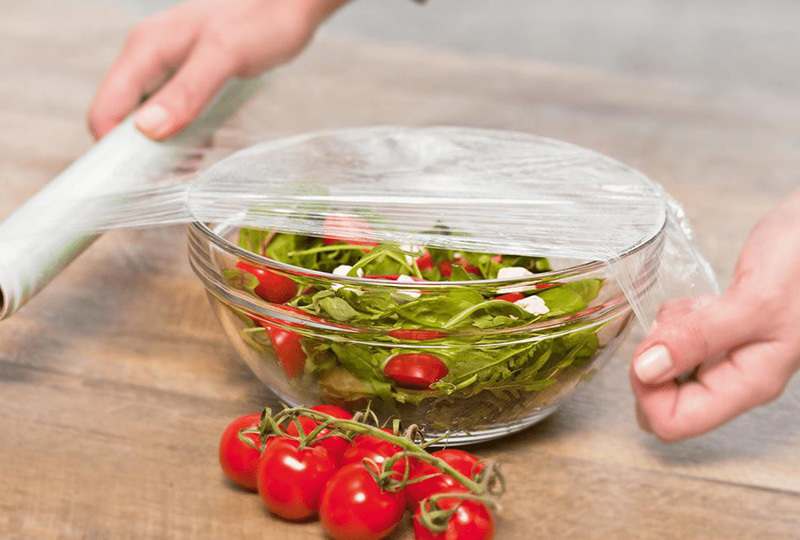
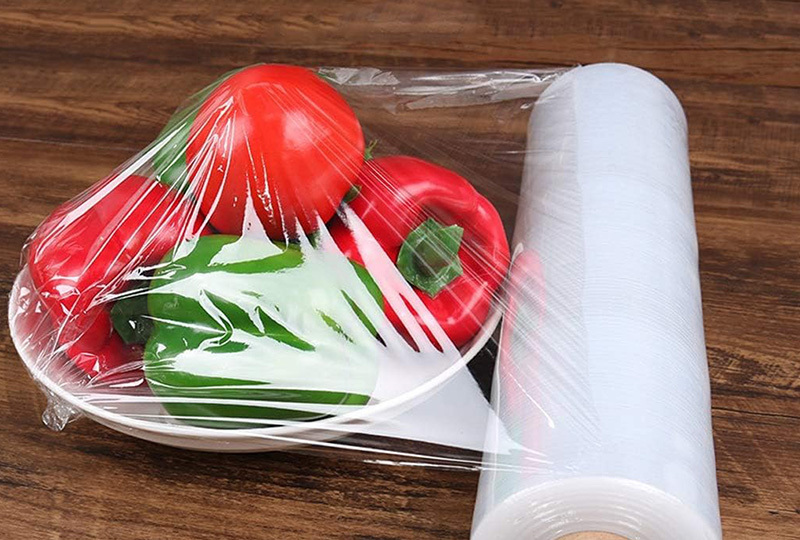
In the food industry, PVC wrap film is commonly used for wrapping meat, cheese, fruits, and vegetables. Its moisture barrier properties help keep food fresh for longer periods.
2. Retail Packaging
PVC wrap film is widely employed in retail for packaging products like baked goods, deli items, and other perishables. Its clear nature enhances product visibility on store shelves.
3. Pharmaceutical Packaging
Pharmaceutical companies utilize PVC wrap film to package medication and medical supplies, ensuring safety and integrity while preventing contamination.
4. Industrial Use
In industrial settings, PVC wrap film is utilized for bundling and securing products for shipment. Its heavy-duty variants provide the necessary strength for heavy items.
5. Consumer Goods
Various consumer products, including cosmetics and electronics, are often wrapped in PVC film for protection and display purposes during retail sales.
Sustainability in PVC Wrap Films
As environmental concerns rise, sustainability has become a pressing issue in packaging materials, including PVC wrap films. Several factors contribute to the sustainability of PVC films:
1. Recyclability
Many PVC films can be recycled, reducing waste and promoting a circular economy. Check local recycling policies to determine the best practices for disposal.
2. Reduced Material Usage
Advancements in PVC film technology have led to thinner films that use less material without sacrificing performance, which can decrease the environmental impact.
3. Biodegradable Alternatives
While traditional PVC films are not biodegradable, manufacturers are exploring biodegradable options that offer similar properties to PVC, bridging the gap between functionality and environmental responsibility.
Frequently Asked Questions
1. What is PVC wrap film used for?
PVC wrap film is commonly used for food packaging, retail packaging, and securing products in various industries due to its stretchability and barrier properties.
2. Can PVC wrap film be recycled?
Yes, many types of PVC wrap film can be recycled. However, it's essential to check local recycling regulations to ensure proper disposal.
3. Is PVC wrap film safe for food packaging?
Food-grade PVC wrap film is specifically designed for food contact and complies with safety regulations, making it safe for packaging food items.
4. How do I choose the right thickness for my PVC wrap film?
The right thickness depends on the type of products you're packaging and their specific protection needs. Thicker films provide more durability, while thinner films are suitable for lighter items.
5. What are the environmental benefits of using PVC wrap film?
PVC wrap film can be recyclable, and advancements in technology are leading to thinner films that minimize material use, reducing environmental impact.
Conclusion
Choosing the right PVC wrap film is crucial for ensuring product quality, safety, and presentation. By understanding the different types, benefits, and key features of PVC wrap film, you can make an informed decision that meets your packaging needs. Whether you are in the food industry, retail, or manufacturing, the right PVC wrap film can enhance your product's appeal while maintaining its integrity. With sustainability also becoming a key consideration, selecting PVC films that are recyclable or exploring biodegradable options can align your business with eco-friendly practices. Ultimately, investing in quality PVC wrap film will not only meet your immediate packaging requirements but will also support your long-term goals for sustainability and product excellence.
Related News
What are the characteristics of PVC fresh-keeping film for food preservation

Can PVC plastic wrap be heated in a microwave oven?
What is the difference between PVC cling film and PE cling film
The choice of PVC cling film need to pay attention to what

Professional Cling Film Manufacturer
Address: No.3 Jiefang road (east) Cangzhou Economy Development Zone, Cangzhou City, Hebei province, China.
Please leave your email, we will contact you as soon as possible, thank you!