

PVC Cling Film: A Versatile Solution for All Your Wrapping Needs
Release time:
Nov 29,2025
PVC Cling Film: A Versatile Solution for All Your Wrapping Needs Table of Contents 1. Introduction to PVC Cling Film 2. What is PVC Cling Film? 3. Benefits of Using PVC Cling Film 3.1 Food Preservation 3.2 Applications in the Packaging Industry 3.3 Household Uses 4. Types of PVC Cling Film 4.1 Standard Clin
PVC Cling Film: A Versatile Solution for All Your Wrapping Needs
Table of Contents
- 1. Introduction to PVC Cling Film
- 2. What is PVC Cling Film?
- 3. Benefits of Using PVC Cling Film
- 4. Types of PVC Cling Film
- 5. How to Use PVC Cling Film Effectively
- 6. Environmental Considerations
- 7. Frequently Asked Questions
- 8. Conclusion
1. Introduction to PVC Cling Film
PVC cling film has become a staple in both household and industrial applications, offering a versatile and efficient solution for wrapping needs. Its unique properties make it suitable for a myriad of tasks, from preserving food to securing industrial materials. Understanding the various aspects of PVC cling film can help consumers and businesses make informed choices that enhance functionality and sustainability.
2. What is PVC Cling Film?
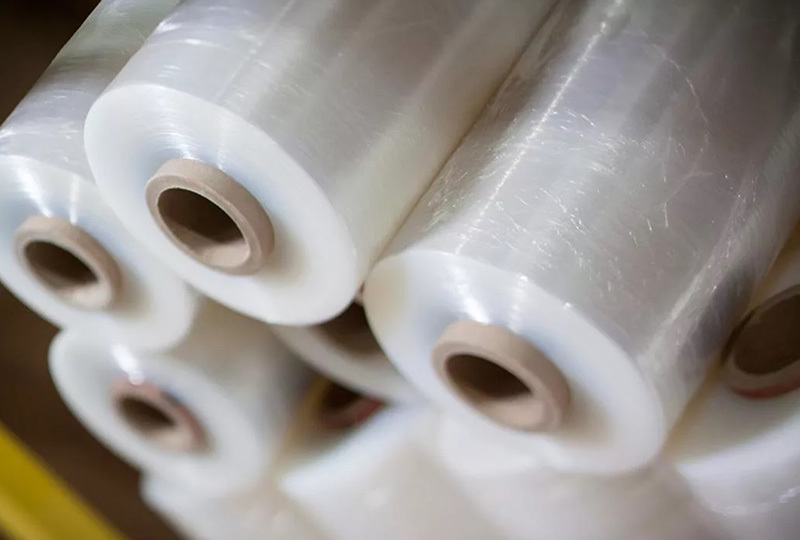
PVC (Polyvinyl Chloride) cling film is a thin, flexible plastic film that adheres to surfaces without the use of adhesives. This adherence allows it to wrap around various items snugly, creating a tight seal that can keep moisture, air, and contaminants at bay. Unlike some other types of wrapping materials, PVC cling film is specifically designed to cling to itself and other surfaces, making it a popular choice for both food and non-food applications.
3. Benefits of Using PVC Cling Film
PVC cling film offers numerous advantages that make it an ideal solution for various wrapping requirements.
3.1 Food Preservation
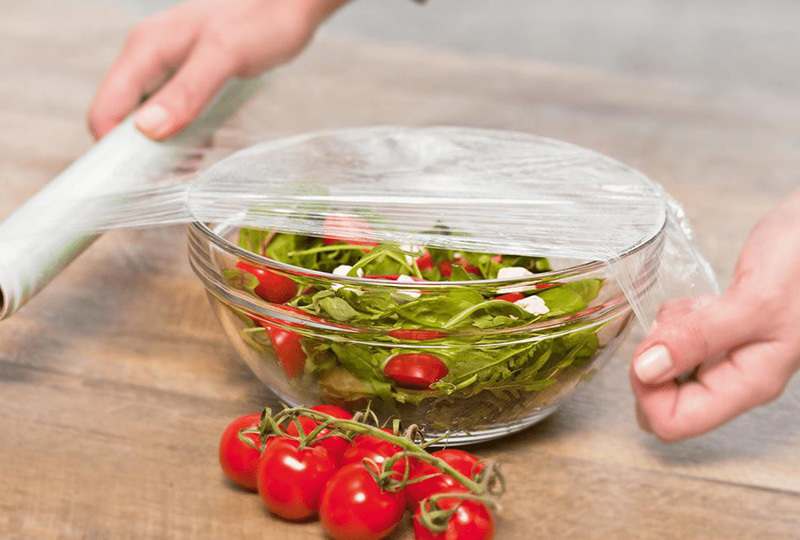
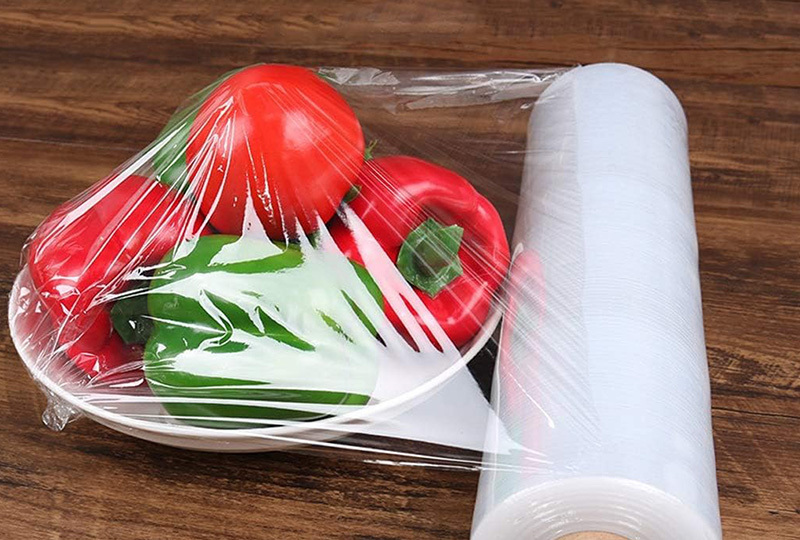
One of the primary benefits of PVC cling film is its ability to preserve food. When wrapped tightly, it helps to keep food fresh by preventing moisture loss and minimizing exposure to air, which can lead to spoilage. This property is especially beneficial for restaurants, catering services, and households where food storage is crucial.
Moreover, PVC cling film is also effective in preventing cross-contamination, ensuring that different food items can be stored together without affecting each other's flavors or safety.
3.2 Applications in the Packaging Industry
In the packaging industry, PVC cling film is widely used for wrapping products, providing both protection and visibility. Its clarity allows for easy identification of contents while ensuring that products are securely wrapped. This feature is particularly valuable in retail settings where aesthetic presentation can influence consumer choice.
Furthermore, PVC cling film is also utilized for bundling items together, making it easier to transport and store products securely. Its versatility allows for applications in various sectors, including pharmaceuticals, consumer goods, and e-commerce.
3.3 Household Uses
Beyond food preservation and industrial applications, PVC cling film has numerous household uses. It can be employed for:
- **Wrapping leftovers**: Ensuring meals are fresh for tomorrow's lunch.
- **Sealing bowls and containers**: Creating airtight seals to prevent spills and keep food fresh.
- **Craft and DIY projects**: Used in various creative applications ranging from art projects to temporary fixes around the home.
The flexibility and convenience of PVC cling film make it an indispensable tool in daily household tasks.
4. Types of PVC Cling Film
Understanding the different types of PVC cling film available can help consumers choose the right product for their needs.
4.1 Standard Cling Film
Standard PVC cling film is the most common type, ideal for general wrapping purposes. It is designed for food storage and protection, providing a reliable seal to keep items fresh. This type is widely used in both commercial kitchens and households.
4.2 Microwave-Safe Cling Film
Microwave-safe cling film is specifically designed to withstand the heat generated by microwaves without melting or releasing harmful chemicals. This film allows for safe reheating of meals while maintaining the moisture and flavor of the food. It is an excellent choice for consumers who want the convenience of microwave cooking without compromising safety.
5. How to Use PVC Cling Film Effectively
To maximize the benefits of PVC cling film, proper usage techniques are essential. Here are some tips for effective application:
- **Clean the surface**: Ensure the item to be wrapped is clean and dry for optimal adhesion.
- **Stretch and press**: When applying the film, stretch it gently and press it firmly against the surface to create a tight seal.
- **Avoid over-wrapping**: Use just enough film to cover the item without excessive layers, which can lead to waste.
- **Store properly**: Keep the cling film in a cool, dry place to maintain its properties and prevent it from becoming brittle.
By following these guidelines, users can enhance the effectiveness of PVC cling film in their wrapping tasks.
6. Environmental Considerations
As with any plastic product, environmental concerns are an important consideration when using PVC cling film. Recycling practices vary by location, and some types of cling film may not be accepted in curbside recycling programs. It is crucial for consumers to be aware of local recycling guidelines to ensure responsible disposal.
Additionally, there are ongoing developments in the industry aimed at creating more sustainable options for cling films. Biodegradable alternatives and recyclable materials are gaining traction, providing consumers with environmentally friendly choices to reduce their ecological footprint.
7. Frequently Asked Questions
1. Is PVC cling film safe for food contact?
Yes, PVC cling film is generally considered safe for food contact. However, it is essential to choose products labeled as food-safe to ensure compliance with health regulations.
2. Can PVC cling film be used in the microwave?
Only microwave-safe PVC cling film should be used in microwaves. Regular cling film may melt or release harmful chemicals when heated.
3. How do I store PVC cling film to ensure longevity?
Store PVC cling film in a cool, dry place away from direct sunlight to prevent brittleness and extend its usability.
4. Can I reuse PVC cling film?
While PVC cling film is designed for single-use, it can sometimes be reused if it remains clean and intact.
5. How does PVC cling film compare to other types of food wrap?
PVC cling film offers superior cling properties and transparency compared to many alternatives, making it a popular choice for food preservation and packaging.
8. Conclusion
PVC cling film stands out as a versatile solution for a variety of wrapping needs. Its applications range from food preservation to packaging in industrial settings, making it an indispensable tool in both personal and professional environments. By understanding its benefits, types, and proper usage techniques, users can fully leverage PVC cling film to enhance their wrapping efficiency. Moreover, as environmental considerations continue to shape consumer choices, exploring sustainable options will be essential for a responsible future in packaging. Embrace the versatility of PVC cling film and discover how it can simplify your wrapping tasks while maintaining quality and safety.
Related News
What are the characteristics of PVC fresh-keeping film for food preservation

Can PVC plastic wrap be heated in a microwave oven?
What is the difference between PVC cling film and PE cling film
The choice of PVC cling film need to pay attention to what

Professional Cling Film Manufacturer
Address: No.3 Jiefang road (east) Cangzhou Economy Development Zone, Cangzhou City, Hebei province, China.
Please leave your email, we will contact you as soon as possible, thank you!