

Understanding PVC Food Wrapping Film: Benefits and Applications
Release time:
Dec 04,2025
PVC (Polyvinyl Chloride) food wrapping film is widely used in the packaging industry due to its remarkable properties and benefits. This transparent, flexible film is primarily designed for wrapping food items to keep them fresh and safe from contamination. It acts as a barrier against moisture, air, and other environmental factors, thereby prolonging the shelf life of various food products. One o
One of the significant advantages of PVC food wrapping film is its excellent clarity and stretchability. The clarity allows consumers to see the product inside without needing to unwrap it, which is particularly beneficial for retail settings. The stretchability not only ensures a snug fit around food items but also helps in reducing waste by allowing users to cut the film to the desired length.
Another key feature of PVC food wrapping film is its ability to resist grease and oils, making it suitable for wrapping a variety of food items, from sandwiches and fruits to cooked dishes. The film is also easy to handle, as it adheres well to itself and to various surfaces, which allows for efficient sealing of food packages. This property is particularly advantageous in busy kitchen environments where time and efficiency are crucial.
From a safety perspective, PVC food wrapping film complies with food safety regulations, making it a reliable choice for various food applications. It is essential to ensure that the film used is specifically designated for food contact to avoid any potential health risks. Additionally, some PVC films are designed to be microwave-safe, allowing users to heat their food without transferring harmful chemicals.
In terms of environmental impact, while PVC is a synthetic polymer, advancements in recycling technology are making it easier to incorporate into recycling programs. Users should consider local recycling options to minimize waste and contribute to sustainability efforts.
In conclusion, PVC food wrapping film is an invaluable asset in the packaging and food service industries. Its clear visibility, excellent sealing properties, and safety make it a top choice for preserving food quality. By understanding its benefits and applications, businesses can enhance their packaging solutions while meeting consumer needs. As the demand for effective food packaging continues to grow, incorporating PVC food wrapping film can be a strategic move for any company in the packaging sector.
Related News
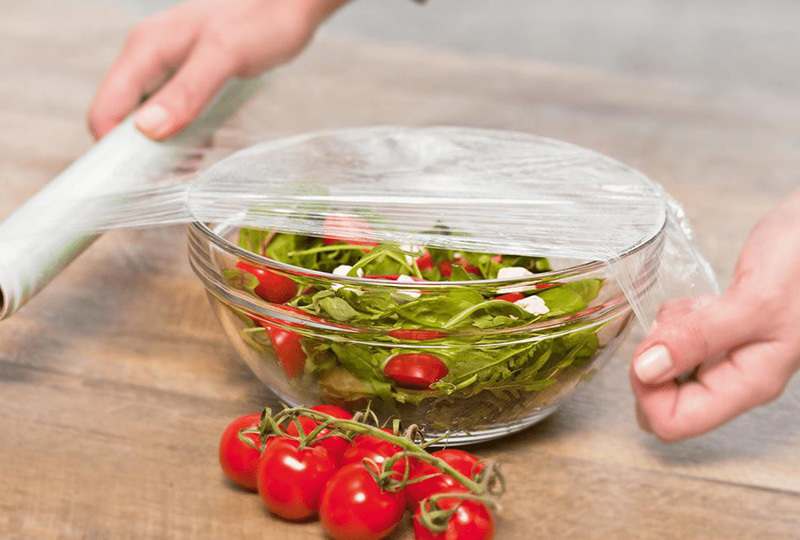
What are the characteristics of PVC fresh-keeping film for food preservation

Can PVC plastic wrap be heated in a microwave oven?
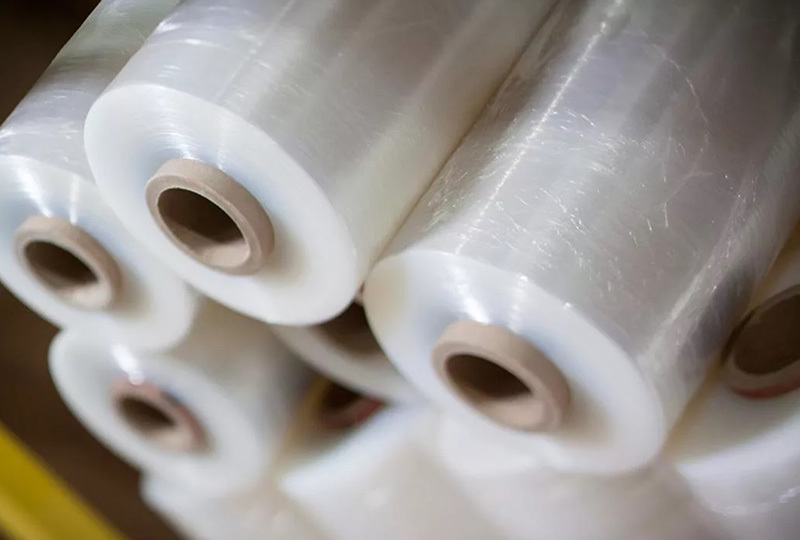
What is the difference between PVC cling film and PE cling film
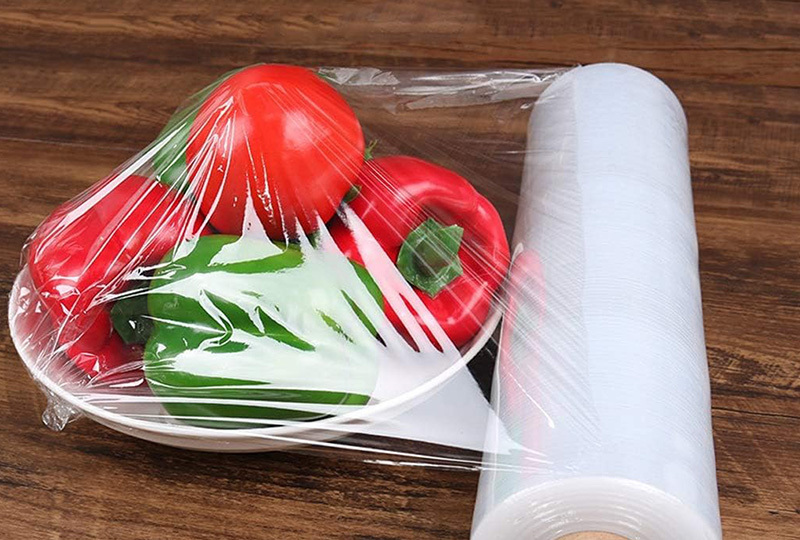
The choice of PVC cling film need to pay attention to what

Professional Cling Film Manufacturer
Address: No.3 Jiefang road (east) Cangzhou Economy Development Zone, Cangzhou City, Hebei province, China.
Please leave your email, we will contact you as soon as possible, thank you!