

Eco-Friendly Cling Film: A Green Alternative to Traditional Plastic Wrap
Release time:
Dec 11,2025
Eco-Friendly Cling Film: A Green Alternative to Traditional Plastic Wrap Introduction to Eco-Friendly Cling Film In today's environmentally conscious world, consumers increasingly seek sustainable alternatives to everyday products. One such product gaining traction is **eco-friendly cling film**. This modern, green substitute for traditional plastic wrap not only serves the same purpose but also
Eco-Friendly Cling Film: A Green Alternative to Traditional Plastic Wrap
Introduction to Eco-Friendly Cling Film
In today's environmentally conscious world, consumers increasingly seek sustainable alternatives to everyday products. One such product gaining traction is **eco-friendly cling film**. This modern, green substitute for traditional plastic wrap not only serves the same purpose but also offers a host of environmental benefits.
In this article, we will explore the features, advantages, and applications of eco-friendly cling film, demonstrating how it stands as a superior option for those committed to reducing their environmental footprint.
Understanding Traditional Plastic Wrap
Before delving into the alternatives, it's crucial to comprehend the drawbacks of conventional plastic wrap. Made from low-density polyethylene (LDPE) and other non-biodegradable materials, traditional plastic wrap poses several environmental challenges:
The Environmental Impact of Traditional Plastic Wrap
- **Waste Generation**: Millions of tons of plastic waste end up in landfills and oceans each year, contributing to pollution and harming wildlife.
- **Resource-Intensive Production**: The manufacturing process of plastic films consumes significant fossil fuels and releases greenhouse gases.
- **Non-Biodegradability**: Traditional plastic wrap can take up to hundreds of years to decompose, leading to long-term environmental damage.
These issues highlight the urgent need for a sustainable solution, paving the way for eco-friendly cling film.
What is Eco-Friendly Cling Film?
Eco-friendly cling film is typically made from biodegradable materials, such as **plant-based polymers** or **compostable substances**. These materials break down naturally, significantly reducing waste and their impact on the environment.
Key Characteristics of Eco-Friendly Cling Film
- **Biodegradable**: Unlike traditional plastic, eco-friendly cling film decomposes within a short period, reducing landfill contributions.
- **Non-Toxic**: Free from harmful chemicals like BPA, this cling film is safe for food storage and aligns with health-conscious choices.
- **Versatile Usage**: Suitable for covering food, wrapping leftovers, and even crafting, it offers the same functionality as traditional plastic wrap with added benefits.
Advantages of Using Eco-Friendly Cling Film
Switching to eco-friendly cling film comes with numerous advantages, making it a smart choice for both households and businesses.
1. Environmental Benefits
By choosing biodegradable cling film, consumers play a direct role in reducing plastic pollution. This choice promotes a healthier ecosystem and helps conserve resources.
2. Health Considerations
Eco-friendly cling films are often crafted from non-toxic materials, ensuring that no harmful chemicals leach into food. This enhances food safety and aligns with a healthier lifestyle.
3. Cost Efficiency
While the initial cost of eco-friendly cling film may be slightly higher, its durability and versatility can lead to savings in the long run. Less waste and efficient storage mean that consumers often use less product overall.
4. Supporting Sustainable Practices
Purchasing eco-friendly cling film supports companies that prioritize sustainability. This, in turn, encourages more businesses to adopt environmentally friendly practices.
How to Use Eco-Friendly Cling Film
Using eco-friendly cling film is just as easy as traditional plastic wrap. Here are some tips for effective use:
1. Covering Food Items
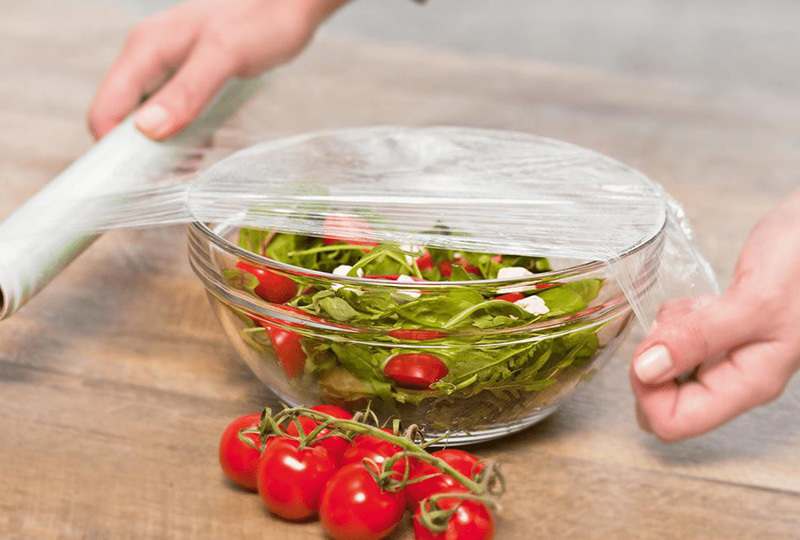
When covering bowls or plates, ensure that the film is tightly secured around the edges to maintain freshness and prevent spills.
2. Wrapping Leftovers
Wrap leftover food securely, making sure there are no gaps. This keeps the food fresh and reduces the risk of odor transfer in the refrigerator.
3. Crafting and Other Uses
Eco-friendly cling film is not just for food! It's great for crafting projects or wrapping gifts, showcasing its versatility.
The Future of Eco-Friendly Packaging
As the demand for sustainable products continues to rise, the packaging industry is witnessing a shift towards eco-friendly solutions. Companies are innovating and investing in research to develop better materials that minimize environmental impact.
1. Innovations in Biodegradable Materials
Researchers are exploring new biodegradable materials that can further enhance the functionality and sustainability of cling films.
2. Government Regulations and Consumer Awareness
With increasing regulations on plastic usage and a growing public awareness of environmental issues, the market for eco-friendly cling films is expected to expand significantly.
Emerging Brands of Eco-Friendly Cling Film
Several brands are leading the charge in providing high-quality eco-friendly cling films. Here are a few to consider:
1. EcoWraps
Known for their commitment to sustainability, EcoWraps offers a range of biodegradable cling films that are perfect for both domestic and commercial use.
2. GreenWrap
GreenWrap specializes in plant-based cling films, which are compostable and come in various sizes to suit different needs.
3. Earth-Friendly Films
This brand focuses on producing cling films that are not only biodegradable but also affordable, making sustainable choices accessible to everyone.
FAQs about Eco-Friendly Cling Film
1. Is eco-friendly cling film as effective as traditional plastic wrap?
Yes, eco-friendly cling film serves the same purpose as traditional plastic wrap while offering the additional benefit of being biodegradable.
2. Can eco-friendly cling film be used in the microwave?
Always check the manufacturer's guidelines, but many eco-friendly cling films are designed to withstand microwaving.
3. How should eco-friendly cling film be disposed of after use?
Most eco-friendly cling films can be composted, but ensure to check the packaging for specific disposal instructions.
4. Does eco-friendly cling film come in various sizes?
Yes, many brands offer eco-friendly cling films in multiple sizes to cater to different needs.
5. Can I use eco-friendly cling film for wrapping gifts?
Absolutely! Eco-friendly cling film is versatile and can be used creatively for wrapping gifts or crafting.
Conclusion
Eco-friendly cling film represents a significant leap forward in sustainable packaging solutions. By opting for this green alternative to traditional plastic wrap, consumers can enjoy the convenience of cling film without contributing to environmental degradation.
As we continue to prioritize sustainability in our everyday choices, switching to eco-friendly cling film not only enhances food storage but also supports a healthier planet. Embrace this innovative product today and become a part of the movement towards a greener future.
Related News
What are the characteristics of PVC fresh-keeping film for food preservation

Can PVC plastic wrap be heated in a microwave oven?
What is the difference between PVC cling film and PE cling film
The choice of PVC cling film need to pay attention to what

Professional Cling Film Manufacturer
Address: No.3 Jiefang road (east) Cangzhou Economy Development Zone, Cangzhou City, Hebei province, China.
Please leave your email, we will contact you as soon as possible, thank you!