

Understanding PVC Food Wrapping Film: A Key Player in Food Packaging
Release time:
Dec 12,2025
--- PVC food wrapping film, made from polyvinyl chloride, is a widely used packaging material in the food industry. Its primary purpose is to preserve the freshness of food items, prevent contamination, and extend shelf life. Understanding the characteristics and applications of PVC food wrapping film can greatly benefit professionals in the packaging sector, helping them make informed decisions w
PVC food wrapping film, made from polyvinyl chloride, is a widely used packaging material in the food industry. Its primary purpose is to preserve the freshness of food items, prevent contamination, and extend shelf life. Understanding the characteristics and applications of PVC food wrapping film can greatly benefit professionals in the packaging sector, helping them make informed decisions when selecting materials for food protection.
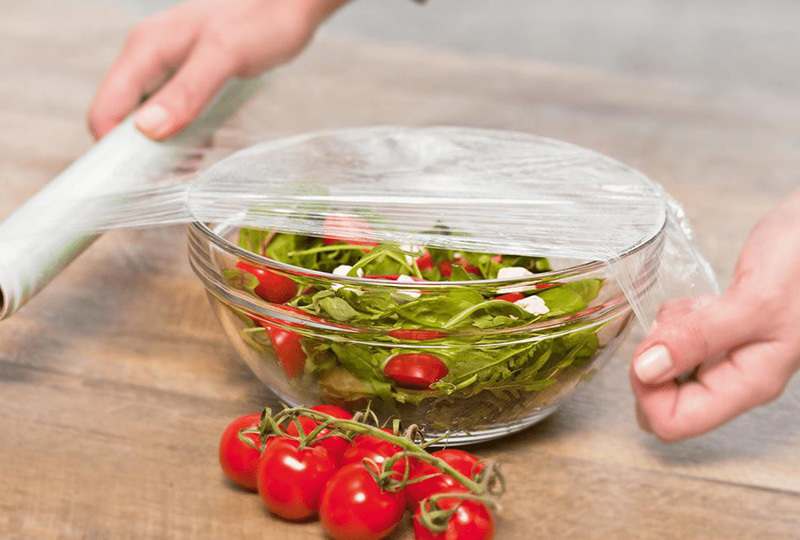
One of the major advantages of PVC food wrapping film is its excellent clarity. The transparent nature of the film allows consumers and retailers to view the packaged products without needing to open the wrapping. This visual appeal not only enhances the presentation of food items but also assists in quality control, enabling easy identification of potential spoilage. Additionally, PVC film possesses remarkable stretchability, allowing it to conform closely to the shape of various food products, which minimizes air exposure and helps to keep the contents fresh.
Another significant benefit of PVC food wrapping film is its effectiveness in preventing moisture loss. It provides a barrier against dehydration, which can be crucial for maintaining the quality of perishable goods such as fruits, vegetables, and meats. The film also serves as a protective layer against external contaminants, such as dust, bacteria, and insects, further ensuring food safety.
Environmental considerations are an important aspect of PVC food wrapping film usage. While PVC is recyclable, it is essential to follow local guidelines for proper disposal and recycling. Companies in the packaging industry are increasingly exploring sustainable alternatives, such as biodegradable films and plant-based options, in response to growing consumer demand for eco-friendly products. This shift not only aligns with environmental goals but also attracts environmentally conscious customers.
When selecting a PVC food wrapping film, professionals should consider several factors, including the type of food being packaged, the intended storage conditions, and regulatory compliance. Food safety standards vary by region, and it’s crucial to ensure that materials used in food packaging meet these regulations to avoid health risks. Moreover, the film's thickness and tensile strength should also align with the specific requirements of the product being packaged, as these properties can impact functionality and cost-effectiveness.
In conclusion, PVC food wrapping film plays a vital role in food packaging, offering numerous benefits such as clarity, moisture retention, and contamination prevention. Industry professionals can enhance their packaging strategies by understanding the materials available, their applications, and the environmental considerations involved. By making informed choices, businesses can improve food preservation and safety while also addressing the growing consumer demand for sustainable practices in packaging.
Related News
What are the characteristics of PVC fresh-keeping film for food preservation

Can PVC plastic wrap be heated in a microwave oven?
What is the difference between PVC cling film and PE cling film
The choice of PVC cling film need to pay attention to what

Professional Cling Film Manufacturer
Address: No.3 Jiefang road (east) Cangzhou Economy Development Zone, Cangzhou City, Hebei province, China.
Please leave your email, we will contact you as soon as possible, thank you!