

PVC Wrap Film vs. Other Packaging Films: A Comprehensive Guide to Material Choices
Release time:
Dec 13,2025
PVC Wrap Film vs. Other Packaging Films: What You Need to Know Table of Contents Introduction to Packaging Films Understanding PVC Wrap Film Advantages of PVC Wrap Film Alternative Packaging Films Polyethylene Film Polypropylene Film Biodegradable Films Comparative Analysis: PVC vs. Other Packaging Films Applications of PVC and Other Films Environmenta
PVC Wrap Film vs. Other Packaging Films: What You Need to Know
Table of Contents
- Introduction to Packaging Films
- Understanding PVC Wrap Film
- Advantages of PVC Wrap Film
- Alternative Packaging Films
- Comparative Analysis: PVC vs. Other Packaging Films
- Applications of PVC and Other Films
- Environmental Impact of Packaging Films
- Frequently Asked Questions
- Conclusion
Introduction to Packaging Films
In the ever-evolving world of packaging, choosing the right film is crucial for preserving product quality and ensuring effective presentation. **PVC wrap film** is a popular choice among manufacturers and consumers alike, but what sets it apart from other packaging films? This guide aims to provide comprehensive insights into PVC wrap film and its alternatives, helping you make informed decisions that meet your business needs.
Understanding PVC Wrap Film
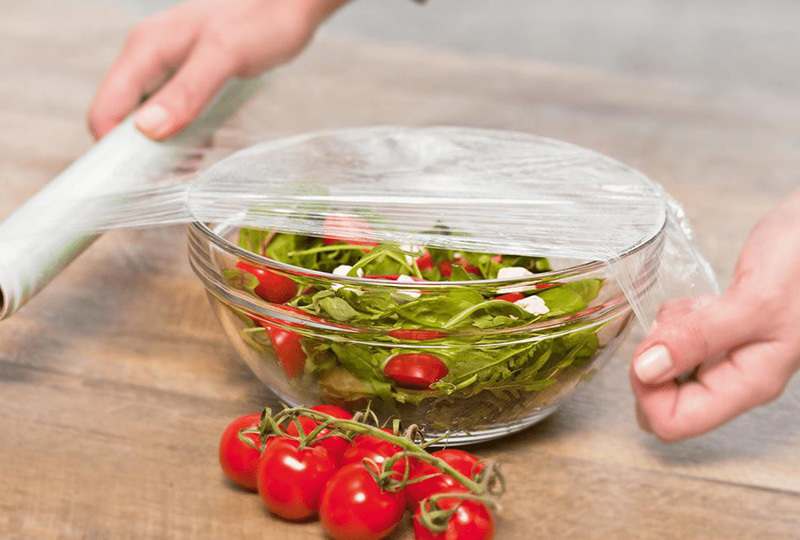
PVC (polyvinyl chloride) wrap film is a versatile material commonly used for packaging and preserving food products. It is known for its excellent cling properties, making it ideal for wrapping various items securely. PVC wrap film is transparent, allowing for easy visibility of the product while providing an effective barrier against moisture and contaminants.
**Key Characteristics of PVC Wrap Film:**
- **Clinginess:** The film adheres well to itself and a variety of surfaces.
- **Transparency:** Offers visibility of the packaged item.
- **Barrier Properties:** Protects against moisture, air, and light, enhancing the shelf life of products.
Advantages of PVC Wrap Film
PVC wrap film boasts several advantages that make it a preferred choice in various industries.
1. Excellent Preservation
The airtight seal created by PVC wrap film helps maintain the freshness of food items, reducing spoilage and waste. Ideal for restaurants and food manufacturers, this characteristic is invaluable in maintaining product quality.
2. Cost-Effectiveness
PVC wrap film is generally more economical compared to other high-barrier films. This cost-efficiency makes it an attractive option for businesses looking to optimize their packaging spending without sacrificing quality.
3. User-Friendly Application
The ease of use of PVC wrap film simplifies the packaging process. It can be easily torn or cut to required sizes, making it suitable for both manual and automated packaging operations.
4. Versatile Applications
From food items to non-food products, PVC wrap film can cater to a wide range of packaging needs. Its adaptability allows businesses to streamline their packaging processes across varied product lines.
Alternative Packaging Films
While PVC wrap film is a popular choice, there are several alternatives available, each with its unique features.
Polyethylene Film
Polyethylene (PE) film is one of the most widely used packaging films. It is available in various grades, including low-density (LDPE) and high-density (HDPE).
**Advantages of Polyethylene Film:**
- **Chemical Resistance:** PE film is resistant to a wide range of chemicals, making it suitable for packaging various products.
- **Flexibility:** It can be easily molded into different shapes and sizes, catering to diverse packaging requirements.
Polypropylene Film
Polypropylene (PP) film is known for its strength and clarity. It is often used in packaging applications requiring a more rigid structure.
**Advantages of Polypropylene Film:**
- **Higher Temperature Resistance:** PP film can withstand higher temperatures compared to PVC, making it suitable for microwave packaging.
- **Recyclability:** It is more recyclable than PVC, appealing to environmentally conscious consumers and businesses.
Biodegradable Films
With increasing environmental awareness, biodegradable films have gained popularity. Made from organic materials, these films decompose naturally, minimizing environmental impact.
**Advantages of Biodegradable Films:**
- **Eco-Friendly:** Reduces plastic waste and environmental pollution.
- **Sustainability:** Often made from renewable resources, supporting sustainable practices in the packaging industry.
Comparative Analysis: PVC vs. Other Packaging Films
Understanding the differences between PVC wrap film and its alternatives is crucial for making informed decisions.
1. Barrier Properties
PVC wrap film excels in providing a barrier against moisture and oxygen, which is vital for preserving food quality. While polyethylene films offer good moisture resistance, they fall short in oxygen barrier properties compared to PVC. Polypropylene, on the other hand, provides a moderate barrier but is not as effective as PVC.
2. Environmental Considerations
PVC films can pose challenges in terms of recyclability and environmental impact. In contrast, biodegradable films are designed to break down naturally and are more sustainable options. However, they may not always offer the same level of protection and durability as PVC.
3. Cost Implications
PVC wrap film is generally cost-effective, making it an economical choice for many businesses. While biodegradable options may have higher initial costs, they can save money in the long run through reduced waste disposal costs.
Applications of PVC and Other Films
The choice of packaging film often depends on the specific application.
1. Food Packaging
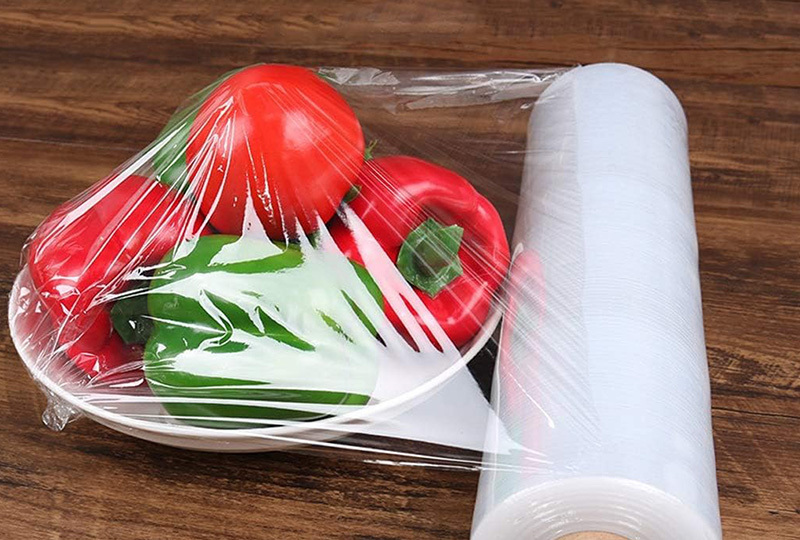
PVC wrap film is widely used in the food industry for wrapping fresh produce, deli meats, and cheeses. Its clinginess and barrier properties make it ideal for extending the freshness of these products. Alternatively, polyethylene and biodegradable films are also used in food packaging but may serve different purposes based on product needs.
2. Industrial Packaging
For industrial applications, polyethylene films are commonly used for wrapping machinery and equipment due to their durability and resistance to chemicals. PVC films can also be used in industrial settings, primarily for protective applications.
3. Retail Packaging
In retail, polypropylene films are often favored for their clarity and strength, making products visually appealing while providing sufficient protection. PVC wrap film can still play a role, especially for in-store food packaging.
Environmental Impact of Packaging Films
The environmental impact of packaging materials is a growing concern for consumers and companies alike. PVC films, while effective, can contribute to plastic pollution if not disposed of properly.
**Sustainable Alternatives:**
- **Biodegradable films** provide an eco-friendly solution, helping to reduce plastic waste.
- **Recyclable films** like polypropylene are gaining traction in the market, promoting circular economy practices.
Businesses and consumers should prioritize sustainable packaging solutions that minimize environmental footprints while meeting their packaging needs.
Frequently Asked Questions
1. Is PVC wrap film safe for food packaging?
Yes, PVC wrap film is generally considered safe for food packaging. However, it is essential to follow manufacturer guidelines regarding usage and storage.
2. Can PVC wrap film be recycled?
PVC wrap film is not widely accepted in recycling programs due to its composition. It is crucial to check local regulations regarding its disposal.
3. How does PVC compare to biodegradable films in terms of performance?
While PVC offers superior barrier properties and clinginess, biodegradable films may not always provide the same level of protection but are more environmentally friendly.
4. What factors should I consider when choosing a packaging film?
Consider the product type, required barrier properties, environmental impact, and cost when selecting a packaging film.
5. Are there any health concerns associated with using PVC wrap film?
When used as intended and following safety guidelines, PVC wrap film is considered safe. However, avoiding direct contact with high-fat foods in microwaves is advisable.
Conclusion
In the competitive landscape of packaging materials, understanding the differences between PVC wrap film and its alternatives is essential for making informed choices. PVC wrap film stands out for its excellent preservation capabilities and cost-effectiveness, making it a popular choice across various industries. However, alternatives like polyethylene, polypropylene, and biodegradable films offer unique benefits that cater to specific needs, particularly in an environmentally conscious market.
By considering the applications, environmental impact, and performance characteristics of each film type, businesses can make smart packaging decisions that align with their operational goals and sustainability initiatives. Embracing the right packaging film is not just about product protection; it’s about shaping a sustainable future.
Related News
What are the characteristics of PVC fresh-keeping film for food preservation

Can PVC plastic wrap be heated in a microwave oven?
What is the difference between PVC cling film and PE cling film
The choice of PVC cling film need to pay attention to what

Professional Cling Film Manufacturer
Address: No.3 Jiefang road (east) Cangzhou Economy Development Zone, Cangzhou City, Hebei province, China.
Please leave your email, we will contact you as soon as possible, thank you!