

How to Create a Zero-Waste Kitchen Using PVC Cling Film: The Ultimate Guide
Release time:
Dec 15,2025
How to Create a Zero-Waste Kitchen Using PVC Cling Film Table of Contents Introduction to Zero-Waste Living Understanding PVC Cling Film Benefits of PVC Cling Film in Zero-Waste Kitchens Sustainable Usage of PVC Cling Film Creative Ways to Use PVC Cling Film Reducing Waste with PVC Cling Film Alternatives to PVC Cling Film Conclusion Frequently Asked Questions
How to Create a Zero-Waste Kitchen Using PVC Cling Film
Table of Contents
- Introduction to Zero-Waste Living
- Understanding PVC Cling Film
- Benefits of PVC Cling Film in Zero-Waste Kitchens
- Sustainable Usage of PVC Cling Film
- Creative Ways to Use PVC Cling Film
- Reducing Waste with PVC Cling Film
- Alternatives to PVC Cling Film
- Conclusion
- Frequently Asked Questions
Introduction to Zero-Waste Living
Creating a zero-waste kitchen is an essential part of adopting an eco-friendly lifestyle. The concept of zero waste revolves around minimizing waste output and maximizing resource efficiency. As we become more aware of the environmental impacts of our choices, it's vital to explore innovative solutions that align with sustainability goals.
One such solution is the use of **PVC cling film**. Although often viewed as a disposable product, it can be utilized in ways that contribute to a zero-waste kitchen. In this guide, we will explore how to effectively incorporate PVC cling film into your sustainable cooking practices, along with practical tips for minimizing waste.
Understanding PVC Cling Film
PVC cling film, made from polyvinyl chloride, is a widely used packaging material due to its flexibility, durability, and ability to create airtight seals. Its primary function is to keep food fresh by preventing moisture loss and protecting it from contamination. While traditionally seen as a single-use item, when utilized thoughtfully, PVC cling film can play a significant role in a zero-waste kitchen.
What Makes PVC Cling Film Different?
Unlike other types of plastic films, PVC cling film has unique properties that make it an excellent choice for food preservation. Its stretchability allows it to mold around food items, creating a snug fit that enhances freshness. Additionally, it is often more cost-effective than alternatives, making it a popular choice among households.
Benefits of PVC Cling Film in Zero-Waste Kitchens
Utilizing PVC cling film in a zero-waste kitchen offers numerous benefits:
1. Food Preservation
PVC cling film excels at keeping food fresh for longer periods. By preventing air exposure, it slows down spoilage and reduces food waste.
2. Versatility
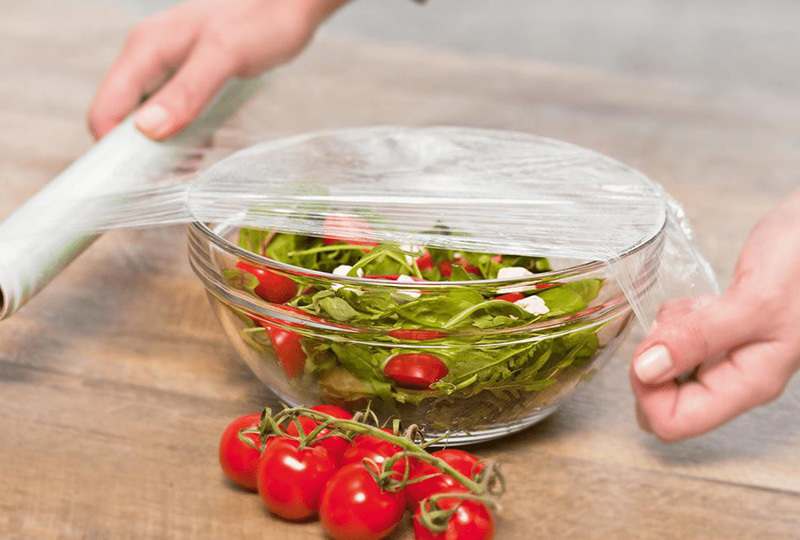
From wrapping sandwiches to covering bowls, PVC cling film is a versatile product that can accommodate various food items and storage needs.
3. Cost-Effectiveness
Compared to reusable alternatives, PVC cling film is often more affordable, making it accessible for families looking to reduce waste without straining their budgets.
4. Compatibility with Recycling Programs
Some recycling programs accept PVC materials, allowing conscientious consumers to dispose of their cling film responsibly.
Sustainable Usage of PVC Cling Film
To maximize the sustainability of PVC cling film, we must adhere to certain guidelines for its usage:
1. Reduce Overuse
Instead of using multiple layers of cling film, use a single layer that adequately covers the food. This not only saves film but also reduces plastic waste.
2. Reuse When Possible
After opening a package, consider reusing the cling film to cover different food items. As long as it remains clean and intact, it's a great way to extend its life.
3. Combine with Other Storage Solutions
Pairing PVC cling film with containers or reusable bags can reduce reliance on single-use products. For instance, use cling film to wrap cut vegetables before placing them in a reusable container.
Creative Ways to Use PVC Cling Film
Maximizing the utility of PVC cling film can lead to innovative solutions in your kitchen. Here are several creative uses:
1. Covering Fermenting Foods
When making homemade yogurt or fermenting vegetables, PVC cling film can cover jars, allowing for enough airflow while keeping contaminants out.
2. Wrapping Sandwiches and Snacks
Instead of placing sandwiches in single-use bags, wrap them in cling film. This method keeps them fresh without generating extra waste.
3. Storing Leftovers
If you have leftover food, wrap it tightly in PVC cling film before placing it in the refrigerator. This prevents odors from mingling and keeps the food from drying out.
4. Crafting and DIY Projects
PVC cling film can also be utilized in various crafts, such as creating molds for baking or protecting surfaces during painting projects.
Reducing Waste with PVC Cling Film
While PVC cling film can aid in creating a zero-waste kitchen, it’s important to focus on reducing overall waste:
1. Meal Prepping
Meal prepping not only saves time but also minimizes food waste. Use PVC cling film to wrap individual portions, keeping them fresh throughout the week.
2. Composting Food Scraps
Rather than tossing food scraps in the trash, compost them. This significantly reduces overall waste and enriches soil for future gardening endeavors.
3. Purchasing in Bulk
Buying food in bulk reduces packaging waste. Use PVC cling film to keep bulk items fresh, extending their lifespan and reducing the need for single-use packaging.
Alternatives to PVC Cling Film
While PVC cling film has its merits, it's essential to explore alternative options for a truly sustainable kitchen:
1. Beeswax Wraps
These reusable wraps are made from organic cotton infused with beeswax, resin, and jojoba oil. They mold around food items and are washable for repeated use.
2. Silicone Food Covers
Silicone covers fit over bowls and dishes, creating an airtight seal. They are reusable, easy to clean, and durable.
3. Glass Containers
Investing in glass containers with airtight lids can significantly reduce reliance on plastic. These containers are perfect for storing leftovers and meal prepping.
Conclusion
In conclusion, creating a zero-waste kitchen using PVC cling film is not only feasible but also practical. By understanding the benefits and sustainable practices associated with this material, we can effectively reduce waste and contribute to a greener planet. Through mindful usage and innovative solutions, we empower ourselves to embrace a lifestyle that prioritizes sustainability while enjoying the convenience of modern cooking.
Frequently Asked Questions
1. Is PVC cling film recyclable?
Yes, some recycling programs accept PVC cling film, but it’s essential to check local guidelines.
2. How can I extend the life of PVC cling film?
Reuse cling film when possible and avoid excessive layering.
3. Are there any hazards associated with PVC cling film?
PVC cling film is generally safe for food storage, but avoid using it in high-temperature situations, such as microwaving.
4. What are some eco-friendly alternatives to PVC cling film?
Beeswax wraps, silicone food covers, and glass containers are excellent eco-friendly alternatives.
5. Can PVC cling film be used for non-food purposes?
Yes, PVC cling film can be used in various DIY projects, crafts, and even for protecting items during storage.
Embracing a zero-waste philosophy in the kitchen can lead to a more sustainable lifestyle. By utilizing PVC cling film wisely and exploring creative alternatives, we can all take meaningful steps toward reducing waste in our homes.
Related News
What are the characteristics of PVC fresh-keeping film for food preservation

Can PVC plastic wrap be heated in a microwave oven?
What is the difference between PVC cling film and PE cling film
The choice of PVC cling film need to pay attention to what

Professional Cling Film Manufacturer
Address: No.3 Jiefang road (east) Cangzhou Economy Development Zone, Cangzhou City, Hebei province, China.
Please leave your email, we will contact you as soon as possible, thank you!