

Unlocking the Benefits of PVC Food Wrapping Film: A Comprehensive Guide
Release time:
Dec 22,2025
In the dynamic landscape of packaging materials, PVC food wrapping film stands out as a preferred choice for both consumers and businesses. This versatile film is widely used due to its unique properties and benefits, making it a staple in kitchens and food service operations. Understanding the advantages and applications of PVC food wrapping film can help you make informed decisions in your packa
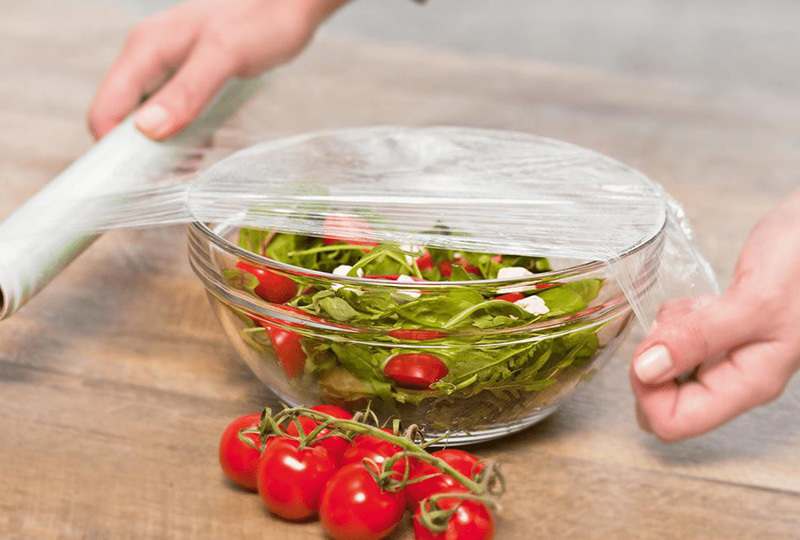
One of the primary benefits of PVC food wrapping film is its excellent clarity and transparency. This feature allows consumers to easily see the contents of their packaged food, enhancing visual appeal and helping to promote freshness. The film's transparent nature is particularly beneficial for retailers, as it allows products to be showcased while maintaining a protective barrier against external contaminants.
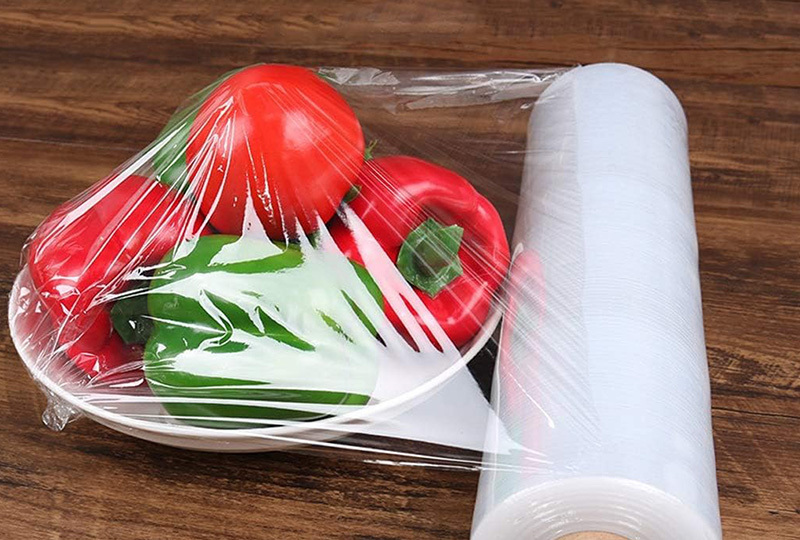
Another significant advantage of PVC food wrapping film is its superior stretchability and sealing capabilities. This film can extend and conform tightly to various food shapes, ensuring an airtight seal that locks in freshness. This is particularly important for perishable items like fruits, vegetables, meats, and prepared dishes, as it helps to prevent spoilage and maintain quality. The robust sealing properties of PVC also make it a reliable choice for freezer storage, where it can help prevent freezer burn.
In addition to its protective qualities, PVC food wrapping film is also known for its durability. It resists tearing and puncturing, making it suitable for heavy or sharp food items. This strength is crucial in the food service industry, where products are often handled and transported frequently. Moreover, the film is resistant to moisture, which further enhances its effectiveness in preserving food freshness.
When using PVC food wrapping film, it’s essential to follow best practices to maximize its effectiveness. Start by ensuring that the surface of the food is clean and dry before wrapping. This helps create a better seal and prevents contamination. Additionally, when wrapping, stretch the film to its maximum to ensure a tight fit, which is crucial for preventing air from entering. For best results, consider using heat sealing methods when applicable, as this can further enhance the sealing integrity.
While PVC food wrapping film offers numerous advantages, it’s also important to consider environmental impacts. As such, businesses may want to explore options for recycling or transitioning to more eco-friendly alternatives that match the properties of PVC without compromising performance.
In conclusion, PVC food wrapping film is a powerful tool in the packaging industry, offering exceptional clarity, sealing ability, and durability. By understanding its strengths and using it effectively, businesses can enhance their food preservation efforts, reduce waste, and improve overall satisfaction for their customers. Whether in a home kitchen or a commercial setting, this film is an invaluable asset for anyone looking to optimize their food packaging solutions.
Related News
What are the characteristics of PVC fresh-keeping film for food preservation

Can PVC plastic wrap be heated in a microwave oven?
What is the difference between PVC cling film and PE cling film
The choice of PVC cling film need to pay attention to what

Professional Cling Film Manufacturer
Address: No.3 Jiefang road (east) Cangzhou Economy Development Zone, Cangzhou City, Hebei province, China.
Please leave your email, we will contact you as soon as possible, thank you!