

Eco-Friendly Alternatives: Evaluating the Sustainability of PVC Wrap Film
Release time:
Dec 23,2025
Eco-Friendly Alternatives: Evaluating the Sustainability of PVC Wrap Film Table of Contents 1. Introduction to PVC Wrap Film 2. What is PVC Wrap Film? 3. Environmental Impact of PVC Wrap Film 4. Sustainability Issues with PVC Wrap Film 5. Eco-Friendly Alternatives to PVC Wrap Film 6. Benefits of Using Eco-Friendly Packaging 7. How to Choose the Right Sustainable Packag
Eco-Friendly Alternatives: Evaluating the Sustainability of PVC Wrap Film
Table of Contents
- 1. Introduction to PVC Wrap Film
- 2. What is PVC Wrap Film?
- 3. Environmental Impact of PVC Wrap Film
- 4. Sustainability Issues with PVC Wrap Film
- 5. Eco-Friendly Alternatives to PVC Wrap Film
- 6. Benefits of Using Eco-Friendly Packaging
- 7. How to Choose the Right Sustainable Packaging
- 8. Conclusion
- 9. Frequently Asked Questions
1. Introduction to PVC Wrap Film
In the realm of packaging and food storage, **PVC wrap film** has long been a popular choice due to its ability to cling tightly to surfaces, making it ideal for wrapping food items. However, as environmental concerns grow, the sustainability of PVC wrap film comes into question. In this article, we will explore the implications of using PVC wrap film, assess its sustainability, and present viable eco-friendly alternatives.
2. What is PVC Wrap Film?
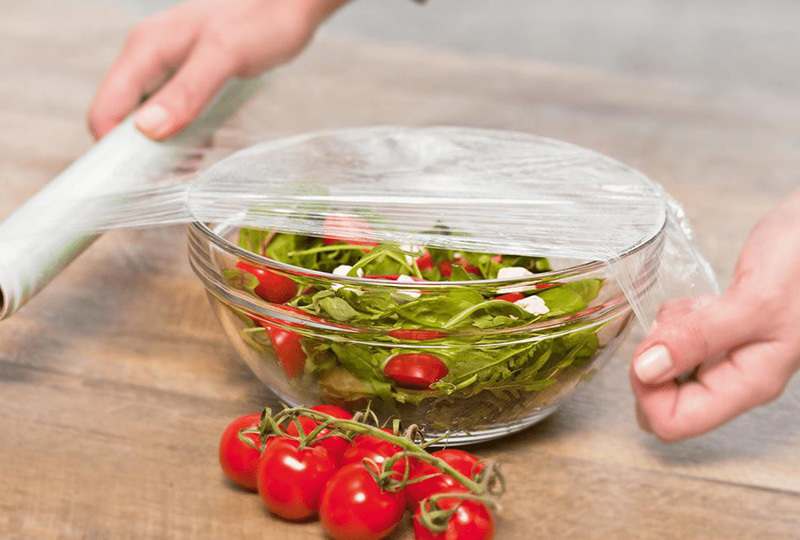
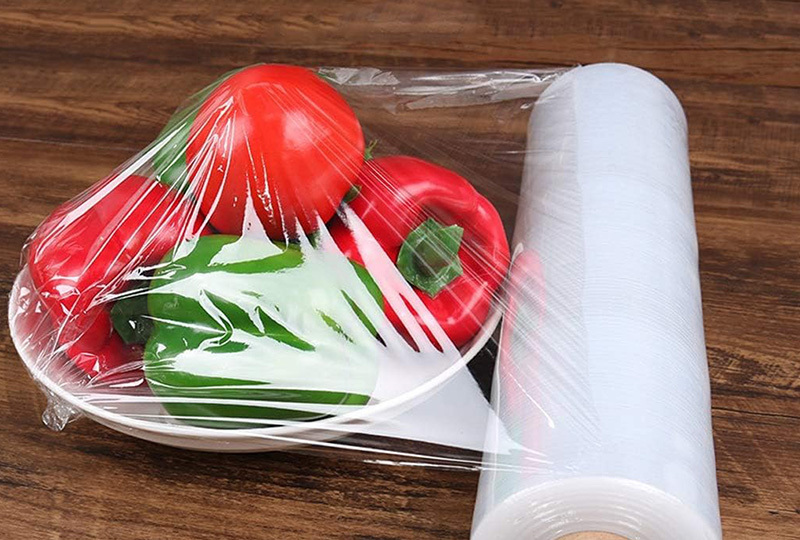
PVC, or **polyvinyl chloride**, is a synthetic plastic polymer widely used in various industries, including food packaging. PVC wrap film is a thin, flexible material that provides a barrier against moisture and air, helping to preserve food freshness. It's widely recognized for its transparency, durability, and versatility.
2.1 Composition of PVC Wrap Film
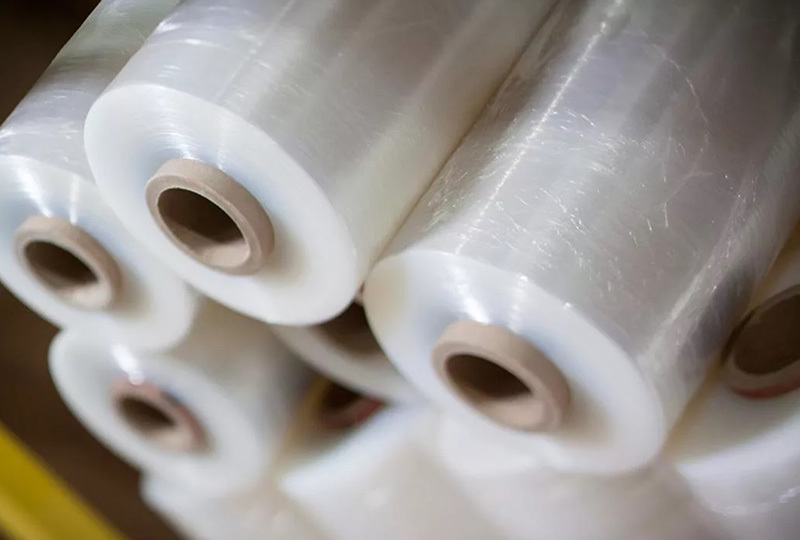
PVC wrap film consists of **polyvinyl chloride**, which is derived from petroleum. The manufacturing process involves polymerizing vinyl chloride monomer, resulting in a material that can be extruded into thin films. Depending on the intended use, additives may be incorporated to enhance properties like flexibility, durability, and clinginess.
3. Environmental Impact of PVC Wrap Film
Despite its practicality, PVC wrap film poses significant environmental challenges. The lifecycle of PVC, from production to disposal, impacts our planet in various ways.
3.1 Production Footprint
The production of PVC wrap film is energy-intensive and involves the release of harmful chemicals. The extraction of fossil fuels, along with the polymerization process, contributes to greenhouse gas emissions, further exacerbating climate change.
3.2 Waste Management Issues
PVC is non-biodegradable, meaning it can persist in the environment for centuries. When discarded, it often ends up in landfills or oceans, contributing to plastic pollution. Recycling options are limited, and when burned, PVC can release toxic dioxins, which are harmful to both human health and the environment.
4. Sustainability Issues with PVC Wrap Film
The sustainability of PVC wrap film is fraught with challenges that warrant consideration.
4.1 Toxicity Concerns
The production and degradation of PVC wrap film can release harmful substances into the environment. Chemicals such as phthalates and lead have raised health concerns, particularly in food-related applications.
4.2 Limited Biodegradability
PVC does not break down naturally, leading to the accumulation of plastic waste. Unlike compostable or biodegradable materials, PVC's longevity in the environment poses a threat to wildlife and ecosystems.
5. Eco-Friendly Alternatives to PVC Wrap Film
As awareness of environmental issues grows, many eco-friendly alternatives to PVC wrap film have emerged.
5.1 Beeswax Wraps
Beeswax wraps are made from organic cotton coated with beeswax, jojoba oil, and tree resin. They are reusable, biodegradable, and can effectively wrap food while allowing it to breathe.
5.2 Silicone Food Covers
Silicone food covers provide an excellent alternative to PVC wrap film. They are reusable, durable, and can withstand high temperatures. Their flexibility allows them to fit various bowl sizes, creating an airtight seal.
5.3 Plant-Based Films
Made from renewable resources like corn starch or potato starch, plant-based films offer a biodegradable solution for food storage. They provide similar moisture barriers as PVC without harming the environment.
5.4 Glass Containers
Switching to glass containers for food storage not only eliminates the need for wrap film but also reduces plastic waste significantly. Glass is recyclable, durable, and non-toxic, making it a superior option for sustainable living.
6. Benefits of Using Eco-Friendly Packaging
Choosing eco-friendly alternatives to PVC wrap film comes with numerous benefits.
6.1 Environmental Conservation
By opting for sustainable packaging, we contribute to reducing plastic waste and minimizing our carbon footprint. This shift is essential for preserving natural resources and promoting a healthier planet.
6.2 Health Advantages
Eco-friendly materials often lack harmful additives found in traditional plastic. Using safer alternatives can help reduce the risk of chemical exposure, benefiting both our health and the environment.
6.3 Cost-Effectiveness
While some eco-friendly options may have a higher upfront cost, their reusability can lead to long-term savings. Investing in sustainable packaging can ultimately be more economical.
7. How to Choose the Right Sustainable Packaging
Selecting the right eco-friendly packaging requires careful consideration.
7.1 Assessing Material Properties
Evaluate the properties of potential alternatives. Consider factors like durability, moisture resistance, and reusability when making your choice.
7.2 Evaluating Environmental Impact
Research the environmental footprint of each material, including production processes and end-of-life disposal options. Prioritize options that are biodegradable or recyclable.
7.3 Considering Cost and Availability
While aiming for sustainability, consider the cost and availability of eco-friendly alternatives. Look for local suppliers to minimize transportation impacts.
8. Conclusion
The sustainability of PVC wrap film is questionable, given its environmental impact and long-lasting effects on the planet. Fortunately, a variety of eco-friendly alternatives provide effective solutions for packaging and food storage. By choosing sustainable options, we can reduce plastic waste, conserve resources, and promote better health for ourselves and the environment. The transition to eco-friendly packaging is not just a trend; it is a necessity for a sustainable future.
9. Frequently Asked Questions
What is PVC wrap film made of?
PVC wrap film is primarily composed of polyvinyl chloride, derived from petroleum.
Is PVC wrap film biodegradable?
No, PVC wrap film is not biodegradable and can persist in the environment for hundreds of years.
What are some eco-friendly alternatives to PVC wrap film?
Eco-friendly alternatives include beeswax wraps, silicone food covers, plant-based films, and glass containers.
Can I recycle PVC wrap film?
Recycling options for PVC wrap film are limited, and it is generally not accepted in most curbside recycling programs.
Why should I switch to eco-friendly packaging?
Switching to eco-friendly packaging helps reduce plastic waste, minimizes environmental impact, and can offer health benefits by avoiding harmful chemicals.
Related News
What are the characteristics of PVC fresh-keeping film for food preservation

Can PVC plastic wrap be heated in a microwave oven?
What is the difference between PVC cling film and PE cling film
The choice of PVC cling film need to pay attention to what

Professional Cling Film Manufacturer
Address: No.3 Jiefang road (east) Cangzhou Economy Development Zone, Cangzhou City, Hebei province, China.
Please leave your email, we will contact you as soon as possible, thank you!