

The Hidden Benefits of Investing in PVC Cling Film: Unveiling Unmatched Versatility and Value
Release time:
Dec 25,2025
The Hidden Benefits of Investing in PVC Cling Film Introduction to PVC Cling Film PVC cling film, widely recognized for its exceptional versatility and practicality, plays a crucial role in various industries. Whether in food packaging, industrial applications, or everyday household use, PVC cling film offers an array of advantages that often go unnoticed. This article delves into the myriad benef
The Hidden Benefits of Investing in PVC Cling Film
Introduction to PVC Cling Film
PVC cling film, widely recognized for its exceptional versatility and practicality, plays a crucial role in various industries. Whether in food packaging, industrial applications, or everyday household use, PVC cling film offers an array of advantages that often go unnoticed. This article delves into the myriad benefits of investing in PVC cling film, exploring its features, environmental impact, and practical applications.
The Unique Properties of PVC Cling Film
1. Superior Stretchability and Adhesion
One of the most significant benefits of PVC cling film is its superior stretchability. This property allows it to conform tightly to various surfaces, ensuring a secure seal. The adhesive qualities of PVC cling film enable it to stick to itself and other materials without leaving a sticky residue, making it an ideal choice for food storage and packaging.
2. High Transparency and Visibility
PVC cling film is known for its high transparency, which allows for easy identification of the packaged contents. This feature is particularly advantageous for businesses aiming to enhance product visibility on shelves and in storage. Moreover, the clarity of the film ensures that the appearance of the food is preserved, appealing to consumers looking for freshness.
Practical Applications of PVC Cling Film
1. Food Preservation and Safety
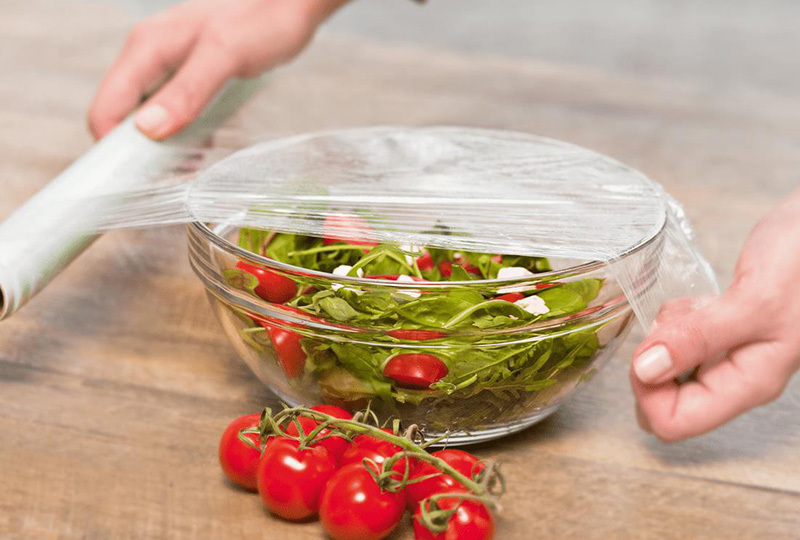
In the culinary world, PVC cling film is an essential tool for maintaining food freshness. By wrapping fruits, vegetables, and leftovers, it minimizes exposure to air, effectively slowing down spoilage. The film acts as a barrier against moisture and contaminants, ensuring that food remains safe and appetizing for longer periods.
2. Versatile Packaging Solutions
Businesses across various sectors utilize PVC cling film for versatile packaging solutions. From wrapping sandwiches to bundling multiple products, its adaptability caters to a wide range of packaging needs. PVC cling film is particularly popular in the food service industry, where quick and efficient packaging is paramount.
3. Ideal for Industrial Use
Beyond food packaging, PVC cling film finds applications in the industrial sector as well. It is commonly used to wrap machinery, tools, and other equipment to protect them from dust and moisture during storage and transportation. The film's durability ensures that it can withstand the rigors of industrial environments.
The Cost-Effectiveness of PVC Cling Film
1. Budget-Friendly Packaging Option
Investing in PVC cling film is an economical choice for businesses and households. The film is typically available at a competitive price point, allowing for cost-effective packaging solutions without compromising quality. Its ability to prolong the shelf life of products can lead to reduced food waste, further enhancing its cost-effectiveness.
2. Reduced Packaging Waste
Unlike bulkier packaging materials, PVC cling film is lightweight and requires less material to achieve effective sealing. This attribute not only helps in reducing packaging waste but also lowers transportation costs, making it an environmentally friendly option in the long run.
Environmental Considerations of PVC Cling Film
1. Recyclability and Disposal
While PVC cling film has faced criticism regarding its environmental impact, advancements in recycling technologies have led to better options for disposal. Many recycling centers now accept PVC materials, and innovative companies are developing methods to recycle cling films, thereby reducing the overall carbon footprint.
2. Biodegradable Alternatives
In response to environmental concerns, some manufacturers are now producing biodegradable cling films. These alternatives maintain the beneficial properties of traditional PVC cling film while minimizing their ecological impact. Businesses looking to invest in sustainable packaging options can explore these innovative solutions.
Comparing PVC Cling Film with Other Materials
1. PVC vs. Polyethylene Cling Film
While polyethylene cling film is another popular choice, it lacks some of the advantageous properties of PVC cling film, such as superior cling and stretchability. PVC cling film typically provides a better seal and is more adept at preventing moisture loss, making it a preferred option for food preservation.
2. PVC Cling Film vs. Aluminum Foil
Aluminum foil serves a different purpose compared to cling film. While it provides excellent protection against light, it does not conform as well to the shape of the contents. PVC cling film, on the other hand, is more flexible and ideal for wrapping irregularly shaped items, reinforcing its position as a versatile packaging material.
Key Factors to Consider When Choosing PVC Cling Film
1. Thickness and Quality
When selecting PVC cling film, consider the thickness and quality of the film. Thicker films generally provide better protection and are less prone to tearing. High-quality films will also adhere better, ensuring that the contents remain sealed.
2. Food Safety Standards
It is paramount to choose PVC cling film that meets food safety standards. Look for products labeled as food-safe to ensure that they are free from harmful chemicals and suitable for direct contact with food items.
Frequently Asked Questions (FAQs)
1. What is PVC cling film made of?
PVC cling film is made from polyvinyl chloride, a synthetic plastic polymer known for its versatility and durability.
2. How can I ensure that the cling film adheres properly?
To achieve optimal adhesion, make sure the surface is clean and dry before applying the cling film. Stretch the film slightly while wrapping to enhance its cling properties.
3. Is PVC cling film safe for food storage?
Yes, PVC cling film is generally safe for food storage, provided it is labeled as food-safe. Always check the manufacturer's guidelines for specific usage instructions.
4. Can PVC cling film be recycled?
PVC cling film can be recycled at specialized facilities that accept PVC materials. However, it is essential to check local recycling guidelines for specific disposal instructions.
5. What are the environmental impacts of PVC cling film?
While PVC cling film has faced scrutiny regarding environmental impacts, responsible disposal and recycling efforts can mitigate these concerns. Additionally, biodegradable alternatives are emerging that reduce ecological footprints.
Conclusion
Investing in PVC cling film is a decision that offers numerous benefits across various applications, from food preservation to industrial usage. Its unique properties, cost-effectiveness, and versatility make it an invaluable tool for both businesses and households. As we navigate the complexities of environmental considerations, the development of recyclable and biodegradable options signals a positive shift toward sustainability in the packaging industry. By understanding the advantages of PVC cling film and making informed choices, we can harness its potential while contributing to a greener future. Whether you're looking to enhance the freshness of your food or seeking efficient packaging solutions, PVC cling film stands out as a reliable and effective choice.
Related News
What are the characteristics of PVC fresh-keeping film for food preservation

Can PVC plastic wrap be heated in a microwave oven?
What is the difference between PVC cling film and PE cling film
The choice of PVC cling film need to pay attention to what

Professional Cling Film Manufacturer
Address: No.3 Jiefang road (east) Cangzhou Economy Development Zone, Cangzhou City, Hebei province, China.
Please leave your email, we will contact you as soon as possible, thank you!